Raspberry pi install android – Embark on a journey into the realm of the Raspberry Pi, a tiny marvel that’s rewriting the rules of what’s possible. Imagine this: a computer the size of a deck of cards, yet capable of unlocking a universe of possibilities. And what if we told you this pocket-sized powerhouse could run Android? Yes, the very same operating system that powers billions of smartphones and tablets.
We’re talking about transforming your Raspberry Pi into a media center, a gaming console, or even a portable productivity hub.
This guide isn’t just a technical manual; it’s an invitation to explore, to experiment, and to push the boundaries of what your Raspberry Pi can do. We’ll demystify the process, breaking down complex concepts into digestible steps, from understanding the hardware to flashing the Android image and configuring your personalized setup. We’ll delve into the heart of this fusion, comparing the capabilities of a Raspberry Pi with those of typical Android devices, offering a complete guide to get you up and running.
Introduction to Raspberry Pi and Android
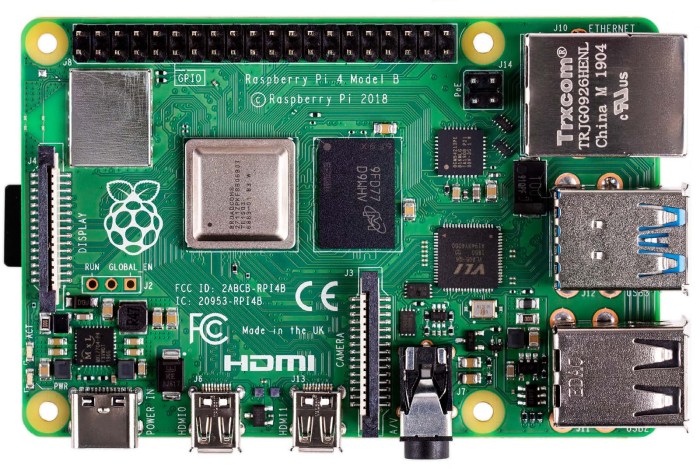
Let’s embark on a journey into the fascinating world where the Raspberry Pi, a credit-card-sized computer, meets Android, the mobile operating system that powers billions of devices worldwide. This combination opens up a realm of possibilities, allowing us to repurpose and reimagine technology in exciting ways. We’ll explore the essence of each technology and their unique interplay.
The Raspberry Pi: A Miniature Marvel
The Raspberry Pi is essentially a tiny, affordable computer. Think of it as a stripped-down version of your desktop, packed onto a small circuit board. It’s designed to be a versatile platform for learning, tinkering, and creating. It can do many things a regular computer can, such as browsing the internet, playing games, and running various applications. The Pi’s appeal lies in its accessibility and its ability to be customized for specific tasks.
It has a processor, memory, and ports for connecting to a monitor, keyboard, and other peripherals.
A Brief History of Android and its Common Uses
Android’s journey began as a project by Android Inc., later acquired by Google. It was initially designed for digital cameras but quickly evolved into a mobile operating system. Its open-source nature fueled its rapid adoption, leading to a vibrant ecosystem of developers and applications. Android’s popularity is undeniable; it’s the dominant operating system for smartphones and tablets globally. It powers everything from simple communication devices to sophisticated entertainment hubs.
It is known for its user-friendly interface and extensive app library, offering a wide array of functionalities, from social media and productivity tools to gaming and navigation.
Comparing and Contrasting the Raspberry Pi and Typical Android Devices
The Raspberry Pi and typical Android devices, like smartphones and tablets, share a common ancestor, but their purposes and designs differ significantly.Android devices, built for portability and ease of use, offer a complete, integrated experience. They prioritize a streamlined user interface and often include features like touchscreens, cellular connectivity, and integrated cameras.The Raspberry Pi, on the other hand, is a more open-ended platform.
It provides flexibility and customization options.Here’s a comparison:
- Form Factor: Android devices are compact and portable, designed for handheld use. The Raspberry Pi is a bare circuit board, meant to be connected to external peripherals.
- Operating System: Android devices run the Android operating system, optimized for touchscreens and mobile applications. The Raspberry Pi can run various operating systems, including Android, Linux distributions, and others, offering a wider range of software choices.
- Hardware: Android devices typically have integrated screens, cameras, and batteries. The Raspberry Pi requires external components like a monitor, keyboard, and power supply.
- Purpose: Android devices are primarily designed for consumer use, focusing on communication, entertainment, and productivity. The Raspberry Pi is geared towards education, experimentation, and custom projects.
- Cost: While the price of Android devices varies widely, the Raspberry Pi is generally more affordable, making it an excellent option for hobbyists and educators.
In essence, an Android device is ready to go out of the box, whereas the Raspberry Pi requires some setup and configuration, but the possibilities it offers are virtually limitless. For example, consider the evolution of Android devices. Early Android phones, with limited processing power and small screens, were revolutionary for their time. Today, smartphones boast powerful processors, high-resolution displays, and extensive app ecosystems.
Similarly, the Raspberry Pi, from its humble beginnings, has evolved through several iterations, each more powerful and versatile than the last. These improvements in hardware capabilities allow the Raspberry Pi to handle increasingly complex tasks, including running Android.
Why Install Android on Raspberry Pi?
Embarking on the journey of installing Android on a Raspberry Pi opens a world of possibilities, transforming this tiny computer into a versatile device capable of running a plethora of applications. This section explores the compelling reasons behind this transformation, highlighting the benefits, practical applications, and inherent limitations that shape the experience.
Advantages of Running Android on a Raspberry Pi
The allure of Android on a Raspberry Pi stems from a blend of convenience, versatility, and cost-effectiveness. By bridging the gap between a powerful, open-source operating system and a compact, affordable hardware platform, users unlock a new level of functionality.
- Access to a vast app ecosystem: One of the primary advantages is the ability to tap into the Google Play Store (or alternative app stores), gaining access to millions of applications, from productivity tools and social media platforms to games and streaming services. Imagine transforming your Raspberry Pi into a dedicated media player, gaming console, or even a digital signage display, all powered by the familiar Android interface.
- Cost-effectiveness and reusability: Raspberry Pi boards are remarkably affordable. This makes them an economical alternative to dedicated Android devices, especially for specialized use cases. Furthermore, repurposing existing Raspberry Pi hardware to run Android extends the lifespan of your devices and reduces electronic waste.
- Customization and flexibility: Android, being an open-source operating system, allows for a high degree of customization. Users can modify the interface, install custom launchers, and tailor the system to their specific needs. This flexibility is a significant draw for tinkerers and enthusiasts who enjoy experimenting with different software configurations.
- Portability and energy efficiency: The small form factor and low power consumption of the Raspberry Pi, combined with Android’s optimized performance, make it an ideal choice for portable projects. This allows for the creation of mobile media centers, portable gaming consoles, or even embedded control systems that can run for extended periods on battery power.
Potential Use Cases for Android on a Raspberry Pi
The fusion of Android and Raspberry Pi gives birth to a multitude of exciting applications, transforming the device into a versatile tool for various purposes. These are a few of the potential uses.
- Media Center: The Raspberry Pi, when running Android, becomes a powerful media center. It can stream movies, TV shows, and music from various sources, including local storage, network shares, and online streaming services. Imagine a dedicated media center tucked away discreetly, providing access to all your favorite content.
- Gaming Console: Android’s extensive library of games, coupled with the Raspberry Pi’s processing capabilities, makes it an excellent platform for gaming. The device can emulate retro game consoles, run mobile games, and even support external game controllers for a more immersive experience.
- Digital Signage: Businesses and organizations can use a Raspberry Pi running Android to create dynamic digital signage displays. These displays can showcase advertisements, informational content, or interactive experiences. The ability to update content remotely makes this a cost-effective and flexible solution.
- Home Automation Hub: Android on Raspberry Pi can serve as a central hub for controlling smart home devices. It can integrate with various home automation platforms, allowing users to control lights, appliances, and security systems from a single interface.
- Educational Tool: For educational purposes, Android on Raspberry Pi offers an interactive learning environment. It provides access to educational apps, games, and resources, making it a valuable tool for students of all ages.
Limitations of Installing Android on a Raspberry Pi
While the prospect of running Android on a Raspberry Pi is exciting, it’s essential to acknowledge the limitations that can impact the user experience.
- Performance constraints: The Raspberry Pi, while powerful for its size, has limited processing power compared to dedicated Android devices. This can result in slower performance, particularly when running demanding applications or games. Expect a smoother experience on newer Raspberry Pi models, like the Raspberry Pi 4 or Raspberry Pi 5.
- Software compatibility: Not all Android applications are fully optimized for the Raspberry Pi’s hardware architecture (ARM). Some apps may experience compatibility issues, crashes, or require workarounds to function correctly. This is due to differences in hardware and software drivers.
- Touchscreen dependency: Android is designed primarily for touchscreens. While you can connect a mouse and keyboard, the user experience may not be as seamless as on a dedicated Android device. The lack of optimized interfaces for mouse/keyboard input can sometimes lead to clunky navigation.
- Boot-up time: Booting Android on a Raspberry Pi can take longer than booting a standard Linux distribution. This is due to the overhead of the Android operating system and the initialization process.
- Storage limitations: The storage capacity of the Raspberry Pi’s microSD card can be a bottleneck. Installing numerous applications and media files can quickly fill up the available space, requiring careful management of storage.
Hardware Requirements and Compatibility

Embarking on the Android-on-Raspberry Pi journey requires a careful selection of hardware. Choosing the right components ensures a smooth and enjoyable experience, transforming your tiny computer into a versatile entertainment or productivity powerhouse. This section dives into the specifics, providing clear guidelines for selecting compatible models, storage, and peripherals.
Compatible Raspberry Pi Models
The Android experience on a Raspberry Pi is not universally available across all models. Compatibility is primarily dictated by the processor architecture and the availability of optimized Android builds. While progress is continuously being made, understanding which Raspberry Pi boards are supported is the crucial first step.The following Raspberry Pi models are generally compatible with Android installations:* Raspberry Pi 3 Model B
- Raspberry Pi 3 Model B+
- Raspberry Pi 4 Model B (all RAM configurations)
It is important to note that the Raspberry Pi Zero and Zero W models, while incredibly popular for their size and affordability, often lack the processing power and memory necessary for a satisfactory Android experience. Support for these models is also less common.
Recommended SD Card Specifications
The SD card serves as the primary storage for the Android operating system and all your apps and data. The speed and quality of the SD card significantly impact the overall performance of your Android installation. A slow SD card will result in sluggish operation, long boot times, and a generally frustrating user experience.Here’s what you should consider when selecting an SD card:* Speed Class: Opt for a card with a minimum speed class of Class 10 or, preferably, UHS-I (U1) or UHS-II (U3).
These speed classes indicate the minimum write speeds, ensuring faster data transfer.
Capacity
A minimum capacity of 16GB is recommended. However, 32GB or 64GB provides more space for apps, games, and media files, and offers a more future-proof solution.
Brand and Quality
Choose reputable brands like SanDisk, Samsung, or Lexar. These brands offer reliable performance and a lower risk of data corruption. Avoid generic or unknown brands, as they may be unreliable.
Investing in a high-quality SD card is one of the most impactful upgrades you can make to improve your Android-on-Raspberry Pi experience.
Required Peripherals
To interact with your Android installation on the Raspberry Pi, you’ll need a few essential peripherals. These are the tools that bridge the gap between the digital world of Android and the physical world you interact with.Here’s a breakdown of the required peripherals:* Keyboard: A USB or Bluetooth keyboard is essential for inputting text, navigating menus, and controlling applications.
Mouse
A USB or Bluetooth mouse allows for precise control, making it easier to interact with the Android interface.
Display
You’ll need a display, such as a monitor or TV, with an HDMI or composite input to see the Android interface. The Raspberry Pi outputs video through these ports.Additional peripherals, such as speakers for audio output and a power supply, are also necessary for a complete setup, although these are typically implied.
Hardware Requirements Table
This table summarizes the hardware requirements for installing Android on different Raspberry Pi models, offering a quick reference guide to help you choose the right components.
| Component | Raspberry Pi 3 Model B | Raspberry Pi 3 Model B+ | Raspberry Pi 4 Model B |
|---|---|---|---|
| Compatible Android Builds | LineageOS, AOSP (Custom Builds) | LineageOS, AOSP (Custom Builds) | LineageOS, AOSP (Custom Builds), Android TV (Limited) |
| Recommended SD Card | Class 10 / UHS-I (U1), 16GB+ | Class 10 / UHS-I (U1), 16GB+ | UHS-I (U1) / UHS-II (U3), 32GB+ |
| Keyboard | USB or Bluetooth | USB or Bluetooth | USB or Bluetooth |
| Mouse | USB or Bluetooth | USB or Bluetooth | USB or Bluetooth |
| Display | HDMI or Composite | HDMI or Composite | HDMI |
Choosing an Android Distribution
So, you’ve decided to take the plunge and turn your Raspberry Pi into an Android powerhouse! But hold on a sec – before you start picturing your Pi running the latest mobile games or acting as a sleek Android TV box, you need to pick the right Android distribution. Think of it like choosing the perfect operating system for your needs.
This decision is crucial, as it dictates the user experience, available features, and overall performance. Let’s dive into the options, shall we?Android distributions, often referred to as ROMs, are customized versions of the Android operating system specifically designed for different hardware platforms. For the Raspberry Pi, these distributions are tailored to take advantage of the Pi’s specific architecture and resources.
Choosing the right one can make all the difference between a smooth, enjoyable experience and a frustrating, laggy mess. There’s no one-size-fits-all solution, so understanding the nuances of each option is key.
Popular Android Distributions Designed for Raspberry Pi
Several Android distributions have gained popularity within the Raspberry Pi community. These distributions offer varying features and target different use cases, from general-purpose Android experiences to specialized setups like Android TV. Let’s explore some of the most prominent contenders.LineageOS is a widely-used, open-source Android distribution known for its customizability and frequent updates. It’s a successor to the popular CyanogenMod project and offers a clean, stock-like Android experience.Android TV is Google’s operating system designed for televisions and set-top boxes.
It offers a streamlined interface optimized for remote control navigation and access to streaming services and apps.AOSP (Android Open Source Project) builds are often available, providing a barebones Android experience based on the official Android source code. These builds are often more experimental and may require more technical expertise to set up and use.
Comparing and Contrasting the Features of Different Android Distributions
Each Android distribution brings its own unique set of features to the table. Some focus on raw performance and a clean interface, while others prioritize features like streaming support or a tailored TV experience. Understanding these differences will help you make an informed decision.LineageOS generally offers a stock Android experience, with a focus on customizability and regular updates. You get a clean interface, and the ability to tweak everything from the system theme to performance settings.
LineageOS is ideal if you want a familiar Android experience and value frequent updates.Android TV, on the other hand, is all about the TV experience. The interface is optimized for remote control navigation, and the home screen highlights content from your favorite streaming services. Android TV is your go-to if you want to turn your Raspberry Pi into a media streaming device.AOSP builds often provide a more basic Android experience.
You might find a clean slate, with few pre-installed apps. While they may not have all the bells and whistles of other distributions, AOSP builds can be a good choice for developers or users who want a lightweight, customizable Android system.
Pros and Cons of Each Distribution
To help you further, let’s break down the advantages and disadvantages of each distribution. This should provide a clear view of what to expect from each option. LineageOS
- Pros:
- Highly customizable.
- Regular updates and security patches.
- Clean, stock-like Android experience.
- Large community support.
- Cons:
- May require more technical knowledge for initial setup.
- Performance can vary depending on the specific build and Raspberry Pi model.
- Not specifically optimized for TV use.
Android TV
- Pros:
- Optimized for TV use with a remote-friendly interface.
- Pre-installed apps for streaming services.
- Seamless integration with Google services.
- Cons:
- Limited customizability.
- Performance can be variable depending on the build and Raspberry Pi model.
- May not support all apps available on standard Android.
AOSP (Android Open Source Project) Builds
- Pros:
- Lightweight and resource-efficient.
- Offers a clean Android experience.
- Highly customizable.
- Cons:
- May lack features found in other distributions.
- Requires more technical expertise for setup and maintenance.
- Updates may be less frequent.
Comparing Different Android Distributions Based on Performance, Features, and Compatibility
Here’s a comparison chart to summarize the key aspects of each distribution, helping you quickly assess which one best fits your needs. This chart is designed to provide a quick reference for comparison.
| Feature | LineageOS | Android TV | AOSP |
|---|---|---|---|
| Performance | Generally good, but can vary. | Variable, depends on the build. | Generally good, often lightweight. |
| Interface | Stock Android, customizable. | Optimized for TV, remote-friendly. | Clean, basic Android interface. |
| Features | Customization, regular updates. | Streaming services, Google integration. | Barebones, customizable. |
| Compatibility | Good app compatibility. | Good, but some app limitations. | App compatibility can vary. |
| Ease of Use | Moderate. | Easy, optimized for remote. | Moderate to advanced. |
| Updates | Frequent. | Variable, depending on build. | Less frequent. |
| Target Use Case | General Android use, custom projects. | Media streaming, TV interface. | Developers, advanced users. |
Downloading and Preparing the Android Image
4.jpg?w=700 "Raspberry PNG | PNG All")
Alright, let’s get down to brass tacks and prepare that Android image for your Raspberry Pi. This stage is critical; think of it as laying the foundation for your entire Android experience. A misstep here can lead to hours of frustration, so let’s be meticulous and make sure everything is spot-on. We’ll be covering the crucial steps to ensure a smooth installation, starting with acquiring the correct image file.
Downloading the Android Image
Finding the right Android image is your first mission. The location of the download depends entirely on the Android distribution you chose. Each distribution has its own website or repository where you can find the image file. Here’s a general guide, although you’ll need to visit the specific project’s site for exact download links and instructions:
- LineageOS for Raspberry Pi: Typically, you’ll find the image on the official LineageOS website, or potentially on dedicated Raspberry Pi forums or community pages. Look for builds specifically labeled for your Raspberry Pi model (e.g., Raspberry Pi 4). Keep an eye out for nightly builds, which offer the latest features, but may be less stable than the release builds.
- Other Distributions (e.g., Android-x86): Websites for Android-x86 or similar projects will provide download links. These may include direct downloads or torrent links. Always prioritize downloading from the official source to minimize the risk of malware or corrupted files.
Remember, always verify the source’s legitimacy. Check for official websites, community forums, and reputable developers. Downloading from untrusted sources is a recipe for disaster. Once you find the image, download it to your computer. Be patient; these files can be large, sometimes several gigabytes.
Verifying the Downloaded Image’s Integrity
Before you flash the image onto your SD card, it’s absolutely vital to verify its integrity. Think of this as a quality control check. You want to ensure the downloaded file is identical to the one the developers intended. This process involves using a checksum, a unique “fingerprint” of the file, to confirm that it hasn’t been corrupted during the download.
If the checksums match, you’re good to go.
Here’s how it works in practice:
- Locate the Checksum: The website where you downloaded the image should provide a checksum value, usually an MD5, SHA-1, or SHA-256 hash. This is a long string of letters and numbers.
- Use a Checksum Tool: You’ll need a tool to calculate the checksum of the downloaded file on your computer. Popular options include:
- For Windows: Use tools like
CertUtil(built-in) or third-party utilities such asHashMyFiles. - For macOS and Linux: Use the command-line tools like
md5sum(for MD5),sha1sum(for SHA-1), orsha256sum(for SHA-256).
- For Windows: Use tools like
- Calculate the Checksum: Open your chosen tool and select the downloaded Android image file. The tool will calculate the checksum, generating a string of characters.
- Compare the Checksums: Compare the checksum generated by the tool with the checksum provided on the download website. If the two values match exactly, your file is intact. If they don’t match, the file is corrupted, and you’ll need to download it again.
A mismatched checksum means the image is corrupted and flashing it will lead to errors.
Flashing the Android Image onto the SD Card
Now for the fun part: writing the Android image onto your SD card. This process replaces everything on the card with the Android operating system, turning your SD card into the bootable drive for your Raspberry Pi. It’s crucial to select the correct SD card reader in the flashing tool and double-check the SD card’s drive letter before proceeding. This step is irreversible for the data on the SD card.
Before you begin, ensure you have:
- A blank or formatted SD card (at least 8GB, 16GB or more recommended, and class 10 or higher is recommended for speed).
- An SD card reader connected to your computer.
- The downloaded and verified Android image file.
- A flashing tool.
Step-by-Step Flashing Using a Common Tool (Etcher)
Etcher (also known as balenaEtcher) is a popular and user-friendly tool for flashing images onto SD cards. It’s available for Windows, macOS, and Linux.
- Download and Install Etcher: Download Etcher from the official website and install it on your computer.
- Insert the SD Card: Insert your SD card into your SD card reader and connect the reader to your computer.
- Select the Image: Open Etcher and click on “Flash from file.” Browse to the location of the downloaded and verified Android image file and select it.
- Select the Target: Etcher will automatically detect your SD card. If it doesn’t, click “Select target” and choose your SD card from the list. Double-check that you’ve selected the correct drive!
- Flash the Image: Click “Flash!” Etcher will then write the Android image to your SD card. This process can take several minutes, depending on the size of the image and the speed of your SD card. Etcher will also verify the flash to ensure it was successful.
- Eject the SD Card: Once the flashing process is complete and verified, Etcher will indicate success. Safely eject the SD card from your computer.
And that’s it! You’ve successfully flashed the Android image onto your SD card. Your SD card is now ready to boot up your Raspberry Pi with Android.
Installing Android on the Raspberry Pi
Alright, buckle up buttercups, because we’re about to dive headfirst into the exciting world of getting Android up and running on your Raspberry Pi! This is where the rubber meets the road, the chips start to hum, and your Pi transforms from a humble little board into a mini Android powerhouse. Let’s get this show on the road!
Inserting the SD Card into the Raspberry Pi
This initial step is crucial; a proper connection is vital for the boot process to begin. The SD card is the heart of your Android installation, housing the operating system and all your apps. Make sure your Pi is powered off before you begin.Here’s how to do it:Place the Raspberry Pi on a stable surface, ensuring you have enough space to work comfortably.Locate the SD card slot on your Raspberry Pi.
This slot is typically found on the side or bottom of the board, depending on the model.Carefully insert the SD card into the slot. The card should slide in smoothly, with the gold contacts facing down. You should feel a slight click when the card is properly seated.Ensure the card is fully inserted; a partially inserted card will prevent the Pi from booting correctly.Once the SD card is securely in place, you’re ready to move on to the next phase.
Boot-up Sequence and Initial Setup Process, Raspberry pi install android
The boot-up sequence is the series of events that occur from the moment you power on your Raspberry Pi until Android is ready for you to interact with. Understanding this sequence is key to troubleshooting any potential issues. It’s like watching a plant grow; each step is vital for the overall health of the system.The boot-up process unfolds as follows:The Raspberry Pi is powered on.The bootloader initializes, and it loads the necessary firmware from the SD card.The firmware then loads the Android kernel.The kernel mounts the root filesystem.The Android system initializes its services, including the user interface, network connections, and system applications.Finally, the Android home screen appears, and you can begin using your device.The initial setup process is the user’s first interaction with the Android system, similar to setting up a new phone or tablet.
This involves configuring basic settings to personalize the experience.Here’s a breakdown of the initial setup steps: Language Selection: The first screen prompts you to choose your preferred language. Select the language you want to use for the entire Android interface. Wi-Fi Connection: You’ll be asked to connect to a Wi-Fi network. This is crucial for internet access, app downloads, and software updates.
Enter your network password when prompted. Google Account Sign-in: You will be prompted to sign in to your Google account. This provides access to the Google Play Store, Gmail, and other Google services. If you don’t have an account, you can create one. Date and Time Settings: Set your time zone and the current date and time.
Android usually automatically sets these based on your location and network connection. Terms and Conditions: Review and accept the terms and conditions. Personalization: You might be prompted to customize settings such as wallpaper, display preferences, and accessibility options. System Updates: The system will check for and install any available software updates. This ensures that you have the latest features and security patches.
Home Screen: Once the setup is complete, you’ll arrive at the Android home screen. From here, you can start using apps, customizing your device, and exploring the Android environment.
Common Troubleshooting Steps for Boot-up Issues
Even the best-laid plans can sometimes go awry. If your Raspberry Pi refuses to boot, don’t panic! Many boot-up issues are easily resolved. The key is to systematically troubleshoot the problem. Think of it like being a detective, following clues to solve a mystery.Here’s a guide to common troubleshooting steps: Check the Power Supply: Ensure that your Raspberry Pi is receiving adequate power.
A weak power supply is a frequent culprit for boot-up failures. Use a power adapter specifically designed for the Raspberry Pi, and make sure it provides sufficient current (typically 2.5A or more for newer models). Verify the SD Card: The SD card is the heart of the system. If it’s corrupt or improperly formatted, the Pi won’t boot. Try re-flashing the Android image onto the SD card using a different SD card writer or software, such as BalenaEtcher.
Inspect the SD Card Slot: Ensure that the SD card slot is clean and that the SD card is properly inserted. A loose or dirty connection can prevent the system from recognizing the SD card. Monitor the Boot-up Process: Connect your Raspberry Pi to a monitor or TV via HDMI. Observe the screen during boot-up. Error messages displayed on the screen can provide valuable clues about the issue.
Check the Firmware: If you’ve modified the firmware, revert to the original configuration. Sometimes, custom firmware settings can cause boot-up problems. Seek Community Help: Consult online forums, such as the Raspberry Pi Foundation forums or dedicated Android-on-Pi communities. Other users may have encountered similar issues and can provide solutions.
Initial Setup Screens with Detailed Descriptions of Each Step
Let’s take a closer look at what you’ll encounter when you first fire up your Android-on-Pi creation. These screens guide you through the initial setup process, customizing your Android experience.The following are the typical screens you’ll encounter, along with detailed descriptions: Welcome Screen: This is the first screen you see after the boot sequence completes. It usually features the Android logo and a welcome message.
The purpose of this screen is to greet the user and begin the setup process. Language Selection Screen: A list of languages is displayed. You will be able to scroll through the list to choose your preferred language for the Android interface. This is a critical step for users who speak languages other than English. Wi-Fi Setup Screen: The screen prompts you to connect to a Wi-Fi network.
It displays a list of available Wi-Fi networks. You select your network and enter your password. This step is essential for internet connectivity, enabling app downloads and online services. Google Account Sign-in Screen: This screen allows you to sign in to your Google account. You enter your email address and password.
If you don’t have a Google account, you can create one. This is essential for accessing the Google Play Store and other Google services. Date and Time Setup Screen: The screen displays the current date and time, and allows you to set the correct time zone. The system typically attempts to set the date and time automatically, but you may need to adjust them manually.
This is essential for proper app functionality and time-sensitive tasks. Terms and Conditions Screen: This screen displays the terms and conditions of using Android. You must review and accept these terms to continue. This ensures the user is aware of the legal agreements associated with the software. Personalization Screen: The screen provides options to customize the appearance of your device.
You might be able to set the wallpaper, choose a theme, and adjust display settings. This step allows you to personalize your Android experience. System Update Screen: The system automatically checks for software updates. If updates are available, the screen will prompt you to install them. Keeping the system updated is crucial for security and performance.
Home Screen: The final setup screen is the Android home screen. This is your main interface, from which you can launch apps, access settings, and interact with the system. It’s the starting point for your Android experience.
Configuring Android on Raspberry Pi
So, you’ve successfully flashed an Android image onto your Raspberry Pi – fantastic! Now comes the fun part: tailoring your mini-Android experience to your specific needs. This involves connecting to the internet, installing your favorite apps, and giving your interface a personalized touch. Think of it as the final polish on a shiny new gadget, transforming it from a bare-bones operating system into a fully functional entertainment hub or productivity powerhouse.
Let’s dive into the essential configuration steps.
Network Connectivity
Establishing a solid network connection is the cornerstone of any modern Android experience. Whether you prefer the simplicity of Wi-Fi or the reliability of Ethernet, getting online is crucial for accessing apps, browsing the web, and staying connected. We’ll explore the setup process for both methods, ensuring your Raspberry Pi is ready to embrace the digital world.
For Wi-Fi setup:
- Navigate to the settings menu within your Android interface. This is typically represented by a gear icon.
- Locate the “Network & Internet” or similar option. The wording may vary slightly depending on your Android distribution.
- Select “Wi-Fi.” Your Raspberry Pi will begin scanning for available Wi-Fi networks.
- Choose your network from the list and enter your password when prompted.
- Once the connection is established, you should see an indicator confirming your Wi-Fi status.
For Ethernet setup:
- Connect an Ethernet cable directly from your Raspberry Pi to your router or network switch.
- In the “Network & Internet” settings (as described above), you should see an option for Ethernet or a similar wired connection.
- The Raspberry Pi should automatically detect the Ethernet connection and attempt to obtain an IP address. In most cases, this process is automatic.
- If the connection is not automatically established, you may need to configure static IP settings manually. This typically involves entering the IP address, subnet mask, gateway, and DNS server information provided by your network administrator or router.
Installing and Configuring Essential Applications
With a functioning internet connection, the next step is to populate your Android environment with the applications you need and love. From streaming services to productivity tools, the possibilities are virtually endless. This section details the process of installing apps and configuring them for optimal performance on your Raspberry Pi.
The primary method for installing applications is through the Google Play Store, which should be available on most Android distributions. However, some distributions may require you to sideload applications (installing them from APK files).
- Using the Google Play Store: Open the Play Store app, search for the desired application, and tap “Install.” The download and installation process will begin automatically. Once installed, you can launch the app from the home screen or app drawer.
- Sideloading Applications (APK Files): If the Google Play Store is unavailable or if you want to install an app not available on the Play Store, you can sideload it. First, you’ll need to enable “Install from Unknown Sources” in your Android settings (usually found under “Security” or “Apps”). Download the APK file of the application from a trusted source. Use a file manager app on your Raspberry Pi to locate the APK file and tap it to begin the installation.
Configuration Tips:
- Optimize for Performance: Many Android apps offer settings that can be adjusted to improve performance on a Raspberry Pi. For example, in video streaming apps, you might lower the video quality or disable background processes.
- Consider Alternatives: Some apps are resource-intensive. Consider lightweight alternatives if you encounter performance issues. For example, a web browser optimized for low-powered devices.
- Manage Storage: Regularly clear the cache and uninstall unused apps to free up storage space. The Raspberry Pi has limited storage compared to modern smartphones, so managing storage is crucial.
Customizing the User Interface
Making your Android experience your own is a key part of the setup process. Customizing the user interface allows you to personalize the look and feel of your Raspberry Pi’s Android environment, making it more intuitive and enjoyable to use.
Android offers several customization options, including:
- Changing the Wallpaper: You can choose a new wallpaper from the system’s pre-installed options or download images from the internet. Long-press on the home screen to access wallpaper settings.
- Using Launchers: Android launchers are applications that replace the default home screen interface. They offer advanced customization options, such as custom icons, themes, and gesture controls. Popular launchers include Nova Launcher and Lawnchair.
- Adjusting System Fonts and Display Settings: Modify the font size and style, as well as the display brightness and color settings, to enhance readability and visual comfort. These settings are usually found in the “Display” or “Accessibility” sections of the Android settings menu.
- Implementing Widgets: Widgets are small, interactive app components that can be placed on the home screen. They provide quick access to information and functionality, such as weather updates, calendar events, or music controls.
Example of Customization for Enhanced Experience:
Imagine you’re building a media center with your Raspberry Pi. By installing a custom launcher like Kodi or Plex, and theming it with a dark, minimalist design, you create a sleek and intuitive interface specifically tailored for browsing and playing media content. You can add widgets to the home screen to quickly access your favorite playlists or view upcoming movie releases.
Common Configuration Settings and Their Impact on Performance
Understanding how various configuration settings affect performance is vital for optimizing your Android experience on a Raspberry Pi. Certain settings can significantly impact responsiveness, battery life (if applicable), and overall system stability.
Key configuration settings to consider include:
- Animation Scale: Reducing or disabling animation scales (window animation scale, transition animation scale, and animator duration scale) can make the interface feel snappier. This setting is usually found in the “Developer Options” menu, which may need to be enabled first (typically by tapping the “Build Number” in the “About Phone” settings multiple times).
- Background Process Limits: Limiting the number of background processes can free up system resources. This can be configured in the “Developer Options” menu. Setting a limit of “No background processes” or a low number (e.g., 2 or 3) can improve performance on a resource-constrained device.
- GPU Rendering: Some Android distributions allow you to force GPU rendering for 2D graphics. This can improve performance in some applications, but it may also introduce visual artifacts or instability. This option is also found in the “Developer Options” menu.
- Power Saving Modes: Enabling power-saving modes can limit background activity, reduce screen brightness, and restrict performance to conserve battery life (if your Raspberry Pi has a battery). These modes are typically found in the “Battery” or “Power” settings.
Impact Examples:
- Animation Scale: Disabling animations can make the interface feel noticeably faster, especially when navigating menus or switching between apps. This is a simple but effective optimization.
- Background Process Limits: Limiting background processes can prevent apps from consuming resources unnecessarily, leading to a more responsive system.
- GPU Rendering: Forcing GPU rendering can improve performance in applications that rely on 2D graphics, such as some games or user interfaces. However, this may also consume more power and potentially lead to instability if not implemented correctly.
Using Android on Raspberry Pi
Now that you’ve successfully installed Android on your Raspberry Pi, it’s time to explore what this little marvel can actuallydo*. Think of your Pi as a tiny, adaptable android device – ready to bring a world of applications to your fingertips. From streaming movies to revisiting classic games, the possibilities are surprisingly vast.
Common Usage Scenarios
Android on a Raspberry Pi opens up a treasure trove of applications. Let’s delve into some of the most popular uses and see what makes them tick.Media Playback is a primary function. You can transform your Raspberry Pi into a dedicated media center. This allows for streaming videos from services like Netflix, YouTube, or playing local media files stored on a connected USB drive or network share.
This provides a user-friendly interface to manage and enjoy your favorite movies and shows.Web Browsing is also a key capability. The Raspberry Pi, with Android, provides a portable and accessible platform for browsing the internet. You can use a web browser to access websites, check emails, and even use web-based applications. This can be particularly useful for tasks like checking news, managing social media, or accessing cloud storage.Gaming is another engaging use case.
While not as powerful as a dedicated gaming console, the Raspberry Pi can still run a variety of Android games. From casual puzzle games to more demanding titles, the Pi offers a nostalgic gaming experience, particularly for retro games. You can connect a gamepad for a more comfortable experience.
Performance Expectations for Different Applications
Understanding performance expectations is crucial for a smooth Android experience on the Raspberry Pi. The performance varies depending on the application and the Raspberry Pi model you are using. Let’s break down what you can expect.For media playback, you can expect smooth playback of 720p videos on most Raspberry Pi models. 1080p playback might be possible, but it may experience occasional stuttering or frame drops, especially on older models like the Raspberry Pi 2 or 3.
The Raspberry Pi 4, with its improved processing power and graphics capabilities, offers a significantly better experience, often handling 1080p content with ease.Web browsing is generally responsive, but the performance can vary based on the website’s complexity. Simple websites and text-based content load quickly. More complex websites with heavy JavaScript usage or embedded videos might experience slower loading times or lag.Gaming performance depends heavily on the game itself.
Simple 2D games and retro emulators run very well on most Raspberry Pi models. More demanding 3D games may struggle, particularly on older models. The Raspberry Pi 4 offers a better gaming experience, but you still shouldn’t expect the same level of performance as a dedicated gaming device. Consider the game’s requirements and your Raspberry Pi model when choosing games.
Tips for Optimizing the Android Experience on the Raspberry Pi
Fine-tuning your Android setup can significantly improve performance. Consider these tips to get the most out of your Raspberry Pi.* Choose the Right Android Distribution: Some Android distributions are specifically optimized for the Raspberry Pi. Research and select a distribution known for its performance and compatibility with your hardware.
Overclock Your Raspberry Pi
Overclocking can increase the processing power of your Raspberry Pi, potentially improving performance. Be cautious and research safe overclocking settings for your specific model.
Use a Fast SD Card
The speed of your SD card directly impacts the loading times of apps and system responsiveness. Invest in a high-speed, class 10 or UHS-I SD card.
Close Unused Apps
Just like on a smartphone or tablet, running multiple apps simultaneously can slow down performance. Close any apps you’re not actively using to free up system resources.
Disable Animations and Transitions
Android’s animations and transitions can consume processing power. Disabling them in the developer options can improve responsiveness.
Optimize Game Settings
Within games, adjust the graphics settings to improve performance. Lowering the resolution or disabling advanced visual effects can make games more playable.
Here are some app-specific performance tips:
- Media Players: Consider using a lightweight media player like VLC or MX Player, as they are often more efficient than the default player.
- Web Browsers: Disable JavaScript or use a browser with built-in ad-blocking to reduce loading times and resource consumption.
- Games: Reduce the graphics settings within the game, such as texture quality and shadow detail. Consider lowering the resolution if necessary.
Troubleshooting Common Issues
So, you’ve taken the plunge and installed Android on your Raspberry Pi! That’s fantastic. However, like any tech adventure, you might encounter a few bumps along the road. Don’t worry, though; most issues are easily fixable. This section provides solutions to common problems, helping you navigate the occasional glitch and get back to enjoying your Android experience on the Pi.
Wi-Fi Connectivity Problems
Connecting to Wi-Fi is essential for many Android apps and features. If your Raspberry Pi isn’t connecting to your Wi-Fi network, here are some troubleshooting steps:
- Verify Network Credentials: Double-check your Wi-Fi password. It’s easy to mistype it, and that’s often the culprit.
- Check Network Availability: Ensure your Wi-Fi network is broadcasting and that other devices can connect to it. Test this by connecting your phone or another device to the same network.
- Driver Issues: Sometimes, the Android distribution may not have the correct drivers for your Wi-Fi adapter. You might need to experiment with different Android builds or consider using a different Wi-Fi adapter known to be compatible with Raspberry Pi.
- Network Configuration: Make sure your router isn’t blocking the Raspberry Pi’s MAC address. Check your router’s settings to ensure that MAC address filtering isn’t enabled or that the Pi’s MAC address is whitelisted.
- Power Supply: Insufficient power can sometimes cause Wi-Fi connectivity problems. Ensure your Raspberry Pi has a reliable power supply that provides enough current.
App Crashes
App crashes can be frustrating, but they’re often fixable. Here’s how to troubleshoot app crashes on your Android-powered Raspberry Pi:
- App Compatibility: Not all Android apps are optimized for the Raspberry Pi’s hardware. Some apps may crash due to incompatibility. Check the app’s requirements and see if it’s known to work on ARM-based devices.
- Insufficient Resources: The Raspberry Pi has limited resources. If multiple apps are running simultaneously, the system might struggle, leading to crashes. Close unnecessary apps to free up memory and processing power.
- App Updates: Ensure the app is updated to the latest version. Developers often release updates that fix bugs and improve stability.
- Clear Cache and Data: Clearing the app’s cache and data can sometimes resolve issues. Go to the app’s settings in Android and clear both the cache and data. Be aware that clearing data will remove any saved settings or login information.
- Reinstall the App: If all else fails, try uninstalling and reinstalling the app. This can often resolve issues caused by corrupted installation files.
Audio and Video Playback Problems
Experiencing audio or video playback issues? These tips should help:
- Codec Compatibility: Android on Raspberry Pi may have limited codec support. Ensure the video files you’re trying to play are in a supported format. Consider using a media player that supports a wider range of codecs, like VLC.
- Hardware Acceleration: Enable hardware acceleration in your media player’s settings. This can significantly improve video playback performance.
- Insufficient Processing Power: The Raspberry Pi’s processing power may be insufficient for high-resolution video playback. Try playing lower-resolution videos or closing other apps to free up resources.
- Audio Output: Check your audio output settings. Ensure the correct audio output device is selected (e.g., HDMI, 3.5mm jack) and that the volume is turned up.
- Driver Issues: Outdated or missing drivers can cause audio or video playback problems. Ensure your Android distribution has the correct drivers for your Raspberry Pi’s hardware. You might need to update or reinstall the drivers.
Recovering from a Corrupted Android Installation
A corrupted Android installation can render your Raspberry Pi unusable. Here’s how to recover:
- Re-flash the Android Image: The most straightforward solution is to re-flash the Android image onto your microSD card. This will overwrite the corrupted installation with a fresh one.
- Boot from a Different SD Card: If possible, try booting from a different microSD card with a known-good Android installation. This can help you determine if the issue is with the Android installation or the Raspberry Pi hardware.
- Check the SD Card: A faulty microSD card can cause corruption. Test your SD card using a tool like `f3probe` (for Linux) or a similar utility to check for errors. Consider replacing the SD card if it has issues.
- Factory Reset (If Possible): If you can still access the recovery menu, try performing a factory reset. This will erase all data and settings and restore Android to its default state.
Common Error Messages and Solutions
Here are some common error messages you might encounter and their corresponding solutions:
| Error Message | Possible Cause | Solution |
|---|---|---|
| “No Signal” on HDMI | Incorrect HDMI connection, resolution issues, or driver problems. |
|
| “Wi-Fi not connecting” | Incorrect password, driver issues, or network configuration problems. |
|
| “App crashes frequently” | App incompatibility, insufficient resources, or outdated app version. |
|
| “Boot loop” | Corrupted system files or kernel issues. |
|
| “Low storage space” | Insufficient storage on the SD card or excessive app data. |
|
Advanced Configuration and Customization: Raspberry Pi Install Android
Now that you’ve got Android humming along on your Raspberry Pi, it’s time to unleash its full potential! This section delves into the nitty-gritty, transforming your Pi from a basic Android emulator into a personalized powerhouse. We’ll explore methods to squeeze every last drop of performance, customize the user interface to your heart’s content, and connect all sorts of cool peripherals.
Buckle up, buttercups, because we’re about to supercharge your Pi experience!
Overclocking the Raspberry Pi for Enhanced Performance
Overclocking is like giving your Raspberry Pi a shot of espresso – it makes everything run faster. However, be warned: pushing your Pi too hard can lead to instability and potential damage. Proceed with caution and understand the risks before diving in. The main reason for overclocking is to enhance the performance of the Raspberry Pi. This can lead to better performance for Android applications.To overclock your Raspberry Pi, you’ll need to modify the `config.txt` file located on the SD card’s boot partition.
This file controls various hardware settings, including clock speeds. Here’s a basic approach, but remember to research the safe limits for your specific Raspberry Pi model.
- Accessing config.txt: You can access this file by connecting the SD card to another computer or through SSH if your Pi is networked.
- Editing the file: Open `config.txt` with a text editor and add the following lines. These settings are examples; adjust them based on your Pi model and cooling solution.
over_voltage=6
arm_freq=1000
gpu_freq=500- `over_voltage`: Controls the voltage supplied to the CPU. Increasing this can help with stability at higher clock speeds. Start with small increments (e.g., 2, 4, 6) and monitor the temperature.
- `arm_freq`: Sets the CPU clock speed in MHz. The default for many Raspberry Pi models is around 700MHz. Increase this gradually (e.g., 800, 900, 1000) and test for stability.
- `gpu_freq`: Sets the clock speed of the graphics processing unit (GPU). Increasing this can improve graphics performance. Similar to `arm_freq`, increase this gradually.
- Saving and rebooting: Save the changes to `config.txt` and reboot your Raspberry Pi.
- Monitoring temperature: After overclocking, constantly monitor your Pi’s temperature. Use the command `vcgencmd measure_temp` in the terminal to check the temperature. If it exceeds 85°C, reduce the overclock settings. Excessive heat can cause instability or damage the hardware. Consider using a heat sink and fan for better cooling.
Remember, overclocking is a balancing act between performance and stability. Find the sweet spot for your hardware and usage needs. It is important to know that each Raspberry Pi unit has different tolerance levels. Therefore, the same configuration may not work on all devices. Always monitor the temperature and the stability of the system.
If you experience crashes or freezes, it’s a sign that you need to reduce the clock speeds or voltage.
Installing Custom Launchers and Themes
Android’s flexibility shines when it comes to customization. Custom launchers and themes let you completely overhaul the look and feel of your Android interface on the Raspberry Pi. This allows you to create a personalized experience.The process typically involves the following steps:
- Choosing a Launcher: There are many launchers available on the Google Play Store (if you have Google Play Services installed) or through APK files. Popular choices include Nova Launcher, Apex Launcher, and Lawnchair Launcher. Each launcher offers a different set of features and customization options. Consider the features and reviews when choosing.
- Downloading and Installing the Launcher: Download the launcher’s APK file and transfer it to your Raspberry Pi. Alternatively, if you have Google Play Services, you can install the launcher directly from the Play Store. Use a file manager on your Raspberry Pi to locate the APK file and install it.
- Setting the Launcher as Default: After installation, the system will usually prompt you to choose a default launcher. Select the newly installed launcher. If not, you can usually set it in the Android settings under “Apps” or “Home app”.
- Customizing the Theme: Many launchers support themes, icon packs, and widgets. Explore the launcher’s settings to customize the appearance of your home screen, app drawer, and icons. You can download themes from the Play Store or install custom theme files.
Example: Installing Nova Launcher. After downloading and installing the Nova Launcher APK, you would then set Nova Launcher as your default home app. You can then change the icon packs, the grid size, and even gestures to match your personal style.
Enabling Advanced Features: Bluetooth and USB Devices
Extending the functionality of your Raspberry Pi with Android involves enabling various features such as Bluetooth and USB device support. This is crucial for integrating the device with other peripherals.* Bluetooth:
- Verifying Bluetooth: Check if your Android distribution has Bluetooth support built-in. Some distributions may require you to install additional packages or drivers.
- Enabling Bluetooth: Navigate to the Android settings and find the Bluetooth section. Turn Bluetooth on.
- Pairing Devices: Scan for available Bluetooth devices and pair them with your Raspberry Pi. You may need to enter a pairing code.
- Using Bluetooth Devices: Once paired, you can use Bluetooth headphones, speakers, keyboards, and mice. The experience will vary depending on the device and the Android distribution.
* USB Devices:
- USB Compatibility: Ensure your Android distribution supports USB devices. Most distributions include drivers for common USB devices.
- Connecting USB Devices: Plug in your USB devices (e.g., keyboards, mice, USB drives, game controllers) into the USB ports of your Raspberry Pi.
- Device Recognition: Android should automatically recognize and configure the connected devices. You may need to install drivers for some devices.
- USB Drive Access: Use a file manager to access the contents of USB drives.
Designing a Custom Android Setup Architecture
Creating a custom Android setup architecture allows you to understand the various components and their interactions within your system. This helps with troubleshooting, customization, and future upgrades.Here’s a diagram illustrating a typical custom Android setup architecture for a Raspberry Pi:
  +---------------------+      +---------------------+      +---------------------+
  |     User Interface    |----|   Android OS Layer  |----|   Hardware Layer    |
  | (Custom Launcher,   |      | (Kernel, Services,  |      | (Raspberry Pi Board, |
  |   Themes, Apps)      |      |  Android Runtime)   |      |   USB Devices,      |
  +---------------------+      +---------------------+      |   Bluetooth Devices) |
           |                            |                            |
           |   (User Interaction)       |    (System Processes)       |    (Driver Interaction)
           |                            |                            |
  +--------v--------+                +--------v--------+                +--------v--------+
  |    User Input    |                |  System APIs   |                |  Peripheral   |
  | (Touch, Keyboard,|                | (Activity,     |                |  Interfaces   |
  |   Mouse)         |                |  Service, etc.)|                | (USB, Bluetooth|
  +------------------+                +----------------+                |   GPIO)        |
                                                                        +----------------+

  Key:

  User Interface: This layer handles user interaction and includes the launcher, themes, and installed applications.
 Android OS Layer: This is the core of the Android system, including the kernel, system services, and the Android runtime.
  Hardware Layer: This represents the physical hardware of the Raspberry Pi and connected peripherals.
  User Input: This part shows the input methods such as touch, keyboard, and mouse.
  System APIs: The Android API system, including activities and services.
 Peripheral Interfaces: This part shows the interfaces like USB and Bluetooth.
Diagram Description:
* User Interface Layer: At the top, we see the user interface, encompassing the custom launcher, themes, and installed applications. This is what the user directly interacts with. It receives user input.
– Android OS Layer: In the middle, the Android OS layer contains the Android operating system, including the kernel, system services, and the Android runtime (ART or Dalvik).
This layer manages the core functions of the OS. It interacts with the Hardware Layer through system APIs.
– Hardware Layer: At the bottom, the hardware layer represents the Raspberry Pi board itself, along with any connected USB devices and Bluetooth devices. This layer provides the physical connection and drivers for the peripherals.
– Data Flow: Arrows indicate the flow of information.
User input goes to the UI, which interacts with the Android OS, which, in turn, interacts with the hardware through drivers.
This architecture provides a visual representation of how different components interact in a custom Android setup on a Raspberry Pi. This helps in troubleshooting and customizing the system. For instance, if a Bluetooth device is not working, you can trace the issue from the user interface through the Android OS layer to the hardware layer to identify the point of failure.
