Messages not sending to Android? Oh, the digital age’s ultimate frustration! It’s the silent treatment of the smartphone world, leaving you stranded with unread replies and unanswered queries. But fear not, intrepid texters! This is not a tale of woe, but a journey of discovery, a quest to reclaim your digital communication and banish those pesky message delivery demons. We’ll delve into the mysteries of why your texts might be lost in the ether, from the mundane to the more technical, all in an effort to get your messages to their intended recipients.
We’ll start with the basics, like checking your internet connection and phone number formatting. Then, we’ll navigate the treacherous waters of network connectivity, app settings, and Android updates. We will explore the potential pitfalls of the recipient’s device, carrier problems, and even those pesky third-party apps that sometimes cause trouble. Along the way, we’ll unravel the complexities of RCS messaging, examine hardware issues, and much more.
Think of this as your personal troubleshooting treasure map, guiding you through the labyrinth of message delivery woes.
Initial Troubleshooting Steps
Let’s get down to brass tacks and address those pesky message delivery issues plaguing your Android experience. Before you start throwing your phone across the room, take a deep breath and let’s methodically work through some common culprits. These initial steps are the digital equivalent of checking if your car has gas before calling a mechanic. They’re simple, often overlooked, but surprisingly effective.
Checking Internet Connection
Before anything else, a solid internet connection is your best friend. Messaging apps, whether they use SMS, MMS, or rely on data, need a stable internet connection to function. This is critical for both the sender and the receiver.
- Sender’s Device: First, confirm your device is connected to the internet. This can be via Wi-Fi or mobile data.
- Wi-Fi Check: Look for the Wi-Fi icon in your notification bar. If it’s present and the signal strength is good, you’re likely connected. Try opening a web browser and navigating to a website. If the page loads, your Wi-Fi is working.
- Mobile Data Check: Ensure mobile data is enabled in your phone’s settings. Typically, you’ll find this under “Connections” or “Network & Internet.” Check the data usage indicator to ensure you have an active data plan. Then, test the connection by browsing the web or opening another app that requires internet access.
- Receiver’s Device: The recipient also needs a working internet connection if you’re using a data-dependent messaging service. Ask them to verify their Wi-Fi or mobile data status using the same steps.
Verifying Phone Number Accuracy and Format
A typo can be a message’s worst enemy. A correctly formatted phone number is crucial for SMS and MMS delivery. It’s like having the right address on a letter; without it, your message is lost in the digital ether.
- Number Accuracy: Double-check the recipient’s phone number in your contacts or the messaging app. A single incorrect digit can lead to delivery failure.
- Number Format: Ensure the number is formatted correctly. Most countries have a specific format, often including a country code. For example, a US number might be formatted as +1 (XXX) XXX-XXXX. International numbers will always require the plus sign (+) and the country code.
- Example: If you’re sending a message to someone in the United Kingdom, the number should start with +44, followed by the area code and the rest of the number.
- Contact Sync: Verify your contact list is synced correctly. Sometimes, incorrect information can be stored in your contacts, causing messaging errors. Review the contact information within your contacts app.
Restarting the Messaging App and Phone
Sometimes, the simplest solutions are the best. A quick restart can often clear temporary glitches and refresh the system. It’s like giving your phone a digital reboot to clear its head.
- Restarting the Messaging App: Close the messaging app completely. On most Android devices, you can do this by swiping up from the bottom of the screen (if using gesture navigation) or tapping the recent apps button (usually a square or two vertical lines) and swiping the app away. Then, reopen the app and try sending a message.
- Restarting the Phone: A full phone restart can resolve more complex issues. Press and hold the power button until the power menu appears. Select “Restart” or “Reboot.” Wait for the phone to completely power down and then restart. This process can clear temporary files and refresh system processes.
Clearing Cache and Data of the Messaging App
Over time, messaging apps accumulate cache and data that can sometimes cause performance problems or delivery issues. Clearing these files can provide a fresh start.
- Accessing App Info: Go to your phone’s “Settings” menu. Tap on “Apps” or “Apps & Notifications” (the exact wording may vary depending on your Android version). Find and select your messaging app (e.g., Messages, Samsung Messages, etc.).
- Clearing Cache: In the app info, tap on “Storage” or “Storage & Cache.” Then, tap on “Clear Cache.” This removes temporary files.
- Clearing Data (Caution): Tapping “Clear Data” will delete all your message history and settings within the app. Only do this if you’re comfortable with losing your message history. Consider backing up your messages beforehand if you have that option. This can often be found within the app’s settings.
- Restart the App: After clearing the cache and/or data, restart the messaging app and try sending a message.
Network Connectivity Issues
Navigating the digital landscape can sometimes feel like a tightrope walk, especially when your messages decide to take a detour. Network connectivity, the silent architect of our digital conversations, can often be the culprit behind undelivered missives. Let’s delve into the intricacies of network issues and how they impact message delivery on Android devices.
Identifying Wi-Fi vs. Cellular Data Issues
Pinpointing the source of the problem is the first step towards resolution. This involves understanding whether the issue stems from your Wi-Fi connection or your cellular data. Here’s how to distinguish between the two.If you suspect a Wi-Fi issue, begin by examining your Wi-Fi indicator. It’s usually a series of curved lines in your device’s status bar. A strong signal indicates good connectivity.
If the signal is weak, intermittent, or absent, the problem likely lies with your Wi-Fi network. You can also test this by opening a web browser and attempting to access a website. If the website fails to load, the issue is almost certainly with your Wi-Fi.To assess your cellular data connection, check the signal strength indicator, typically represented by bars or a numerical value (e.g., dBm) in the status bar.
The more bars or the closer the dBm value is to zero (e.g., -70 dBm is better than -100 dBm), the stronger your signal. If the signal is weak or non-existent, your cellular data connection may be the issue. You can also try sending a text message or making a phone call. If these fail, cellular data is likely the culprit.
Impact of Weak Cellular Signal
A weak cellular signal acts like a muffled microphone, struggling to transmit your message clearly. The impact on message delivery can be significant.A weak cellular signal leads to slow data transfer rates. This can cause messages to take longer to send, sometimes failing altogether. Messages might be stuck in a “sending” state for an extended period, eventually timing out and failing to deliver.Intermittent signal loss can also cause delivery failures.
If your device loses its connection to the cellular network during the message sending process, the message will not be delivered. This is particularly common in areas with poor cellular coverage, such as rural areas, basements, or areas with thick building materials.Weak signals can also lead to the device attempting to retransmit the message multiple times, which can drain your battery and further delay delivery.Consider the real-world example of Sarah, who was trying to send an important message during a concert.
Due to the high concentration of people and the resulting network congestion, her message delivery was significantly delayed, and some messages failed to send. This highlights how network congestion can exacerbate the impact of a weak cellular signal.
Comparing Message Sending Behavior on Different Networks
The performance of message sending can vary significantly depending on the network you’re using. Home Wi-Fi, public Wi-Fi, and cellular data each present their own unique challenges and advantages.Home Wi-Fi typically offers a stable and reliable connection, assuming your internet service provider (ISP) is providing a consistent service. This usually results in faster message delivery and fewer failures. However, if your home network is experiencing issues, such as router problems or ISP outages, message sending can be affected.Public Wi-Fi, such as that found in coffee shops or airports, can be more variable.
The speed and reliability of public Wi-Fi depend on several factors, including the number of users connected, the quality of the router, and the overall internet bandwidth. Public Wi-Fi networks are also often less secure, which could potentially impact the privacy of your messages.Cellular data performance is dependent on your cellular carrier’s network coverage and signal strength in your location.
In areas with strong coverage, cellular data can provide a fast and reliable connection. However, in areas with weak coverage, message sending can be slow or unreliable, as previously discussed.The following table provides a comparison of message sending behavior on different networks:
| Network | Typical Performance | Potential Issues |
|---|---|---|
| Home Wi-Fi | Fast and reliable | Router issues, ISP outages |
| Public Wi-Fi | Variable, often slower | Network congestion, security concerns |
| Cellular Data | Dependent on signal strength | Weak signal, network congestion |
Troubleshooting Flowchart for Network-Related Message Sending Problems
To assist in diagnosing and resolving network-related message sending problems, follow this flowchart.
Step 1: Message Delivery Failure
Is the message failing to send?
If YES, proceed to Step 2.
If NO, there’s a different issue; troubleshoot elsewhere.
Step 2: Identify Network Type
Are you using Wi-Fi or cellular data?
If Wi-Fi, proceed to Step 3.
If Cellular Data, proceed to Step 4.
Step 3: Wi-Fi Troubleshooting
a. Check Wi-Fi signal strength (status bar).
b. Try connecting to another Wi-Fi network (if available).
c.
Restart your router and device.
d. If the problem persists, the issue might be with the router or ISP.
Step 4: Cellular Data Troubleshooting
a. Check cellular signal strength (status bar).
b. Move to an area with better coverage.
c.
Toggle airplane mode on and off.
d. Ensure cellular data is enabled in your device settings.
e. If the problem persists, contact your cellular carrier.
Step 5: General Troubleshooting
a. Restart your device.
b. Clear the cache and data of the messaging app.
c.
Ensure your messaging app is up to date.
d. Check for device software updates.
e. If the problem persists, contact the messaging app’s support or your device manufacturer.This flowchart provides a structured approach to troubleshooting network-related message sending problems, guiding users through the necessary steps to identify and resolve the issue.
Remember that the specific steps and troubleshooting options might vary slightly depending on your device and messaging app.
Messaging App Settings and Permissions
It’s time to delve into the nitty-gritty of your messaging app’s inner workings. Often, the solution to those pesky undelivered messages lies not in the ether, but right within the app’s settings. Think of it like tuning a musical instrument; a slight adjustment can make all the difference between silence and a symphony of notifications. We’ll explore the critical areas where you can tweak your settings to ensure your messages reach their intended destinations on Android devices.
Checking and Adjusting Messaging App Permissions
Permissions are like the gatekeepers of your app, granting or denying access to essential functions. If the messaging app doesn’t have the right permissions, it’s like trying to build a house without the necessary tools.To check and adjust permissions:* Navigate to your device’s settings. This is usually represented by a gear icon.
- Find the “Apps” or “Applications” section. The exact wording may vary slightly depending on your Android version.
- Locate your messaging app within the list of installed applications.
- Tap on the app to open its information page.
- Look for “Permissions.” Tap on it.
- Here, you’ll see a list of permissions the app requests, such as access to contacts, storage, and phone calls. Ensure that the necessary permissions are enabled. Specifically, the app
- must* have permission to access your contacts and storage to function correctly. If any critical permissions are disabled, toggle them to the “on” position.
Ensuring the App is Set as the Default Messaging App
Imagine trying to send a letter, but the post office doesn’t know where to send it. Setting the default messaging app tells your phone which app to use when sending and receiving SMS and MMS messages. Without this setting, messages might get lost in the digital wilderness.To ensure your preferred messaging app is set as the default:* Go to your device’s settings.
- Find the “Apps” or “Applications” section.
- Within the apps settings, there should be a “Default apps” or “Choose default apps” option.
- Tap on “SMS app” or “Messaging app.”
- Select your preferred messaging app from the list.
Configuring MMS Settings
MMS (Multimedia Messaging Service) settings are the secret sauce for sending photos, videos, and other media. Without proper MMS configuration, these messages might fail to deliver, leaving you and your contacts in the dark.While the majority of Android devices automatically configure MMS settings based on your carrier, sometimes manual adjustments are necessary. If you’re experiencing issues sending or receiving MMS messages, consider these steps:* Access your messaging app’s settings.
The location varies by app, but it’s usually found under the “Settings” menu (often represented by three vertical dots or a gear icon).
- Look for “MMS settings” or “Multimedia messages.”
- Here, you might find options like “APN settings” (Access Point Name). This is where your carrier’s configuration data is stored.
- If your MMS isn’t working, try resetting the APN settings to default. If this doesn’t work, contact your mobile carrier for the correct APN settings, and manually enter them. You will typically need to enter details like the APN name, username, password, MMSC (Multimedia Message Service Center) URL, and proxy settings.
- Double-check that “Mobile data” is enabled on your device, as MMS messages require a data connection to send and receive.
Common Messaging App Settings and Their Impact on Message Delivery
Understanding the impact of each setting can help you troubleshoot issues more effectively. This table summarizes common messaging app settings and their implications:
| Setting | Description | Impact on Message Delivery | Troubleshooting Tips |
|---|---|---|---|
| Notifications | Controls whether you receive visual and auditory alerts for new messages. | If disabled, you won’t be notified of incoming messages. You might miss important communications. | Ensure notifications are enabled in the app’s settings and your device’s notification settings. Check “Do Not Disturb” mode. |
| Default Messaging App | Determines which app handles SMS and MMS messages. | If not set correctly, messages may not be sent or received through the intended app. | Verify the correct app is selected as the default within your device’s settings. |
| MMS Settings | Configures how multimedia messages are sent and received. Includes APN settings. | Incorrect settings can prevent the sending or receiving of photos, videos, and other media. | Contact your carrier for correct APN settings. Ensure mobile data is enabled. |
| Storage Permissions | Allows the app to access your device’s storage. | Without storage permissions, the app may not be able to download or save received multimedia messages. | Check app permissions in your device settings and ensure storage access is granted. |
Android OS and Updates
It’s time to delve into the core of your Android device’s operational system and how it plays a pivotal role in your messaging experience. Android updates, much like a software upgrade for your car, bring new features, performance enhancements, and, crucially, security patches. These updates can be a blessing, but they can also occasionally introduce unexpected hiccups, especially when it comes to the smooth sending and receiving of your precious messages.
Android OS Impact on Messaging
The Android operating system is the engine that drives your phone, and each new version, from the whimsical “KitKat” to the sophisticated “Android 14,” comes with its own set of changes. These changes, while often designed to improve functionality, can sometimes affect how apps, including your messaging apps, interact with the system.For example, a new Android version might introduce changes to the way the system handles background processes.
If your messaging app isn’t fully compatible with these changes, it could lead to messages not sending or receiving properly. This is similar to trying to fit a square peg into a round hole; the software and the OS need to be aligned for everything to function correctly. Additionally, the update can change the permissions structure of your device, which could unintentionally affect your messaging app’s access to network resources or storage.
Checking and Installing Android OS Updates
Keeping your Android OS up-to-date is a bit like maintaining a well-oiled machine. It helps ensure everything runs smoothly and securely. Here’s how to check for and install the latest updates:
- Accessing the Settings: Navigate to your device’s “Settings” app. This is usually represented by a gear icon, a cogwheel, or something similar.
- Finding the Update Section: Scroll down the settings menu until you find an option related to “System,” “About Phone,” or “Software Update.” The exact wording can vary depending on your device manufacturer (Samsung, Google Pixel, etc.).
- Checking for Updates: Tap on the “Software Update” or “System Update” option. Your device will then search for available updates.
- Downloading and Installing: If an update is available, you’ll be prompted to download and install it. Make sure you’re connected to a Wi-Fi network to avoid using your mobile data. The installation process usually involves restarting your device.
- Following the Instructions: Follow the on-screen prompts during the installation. This may involve agreeing to terms and conditions and allowing the device to restart several times.
A real-world example: A user with a Samsung Galaxy S9, running Android 9 “Pie,” might have experienced messaging issues. Upgrading to Android 10 or 11, with the corresponding updates to the Samsung Messages app, would have likely resolved these problems, as these updates often contain specific fixes for known compatibility issues.
Potential Issues from Outdated Android Versions
An outdated Android version is akin to running a marathon in outdated shoes – you might still finish, but it won’t be as comfortable or efficient. Using an outdated Android version can create several messaging-related headaches:
- Compatibility Problems: Older Android versions might not be fully compatible with the latest versions of your messaging apps. This can result in features not working correctly or messages failing to send or receive.
- Security Vulnerabilities: Outdated OS versions are more susceptible to security threats. Malicious software can exploit vulnerabilities to access your messages and personal information.
- Performance Issues: Older versions often lack the performance optimizations of newer ones. This can lead to slower messaging app performance, including delayed message sending and receiving.
- Feature Limitations: You might miss out on new features and improvements in your messaging apps that require a newer Android version.
Consider the case of a user clinging to Android 7 “Nougat” on their phone. While the phone might still function, it’s highly probable that many messaging apps would be severely limited in functionality. Security vulnerabilities are a major concern, and they might find themselves unable to use the latest features.
Backing Up and Restoring Messages After an OS Update
Before embarking on an Android OS update, backing up your messages is crucial, like securing your valuables before a move. This ensures you don’t lose any important conversations or data. Here’s a general procedure, recognizing that the exact steps might vary slightly depending on your messaging app and Android version:
- Choosing a Backup Method: Decide on a backup method. Common options include using your messaging app’s built-in backup feature (e.g., Google Messages’ backup to Google Drive), using a third-party backup app, or using your device’s overall backup functionality.
- Enabling Backup: Within your chosen backup method, enable the backup feature. This often involves selecting the backup frequency (daily, weekly, etc.) and the storage location (e.g., your Google account, a local device storage).
- Initiating the Backup: Start the backup process. This might involve tapping a “Backup Now” button or waiting for the scheduled backup to run.
- Performing the OS Update: Proceed with the Android OS update as described earlier.
- Restoring Messages: After the update, open your messaging app. You’ll likely be prompted to restore your messages from your chosen backup location. Follow the on-screen instructions.
- Verifying the Restore: Confirm that your messages have been successfully restored by checking your conversations.
For example, imagine a user who backs up their messages to Google Drive using Google Messages before updating from Android 12 to Android 13. After the update, opening Google Messages and following the prompts to restore from Google Drive would retrieve all their conversations, ensuring no data loss.
Recipient’s Device Problems: Messages Not Sending To Android
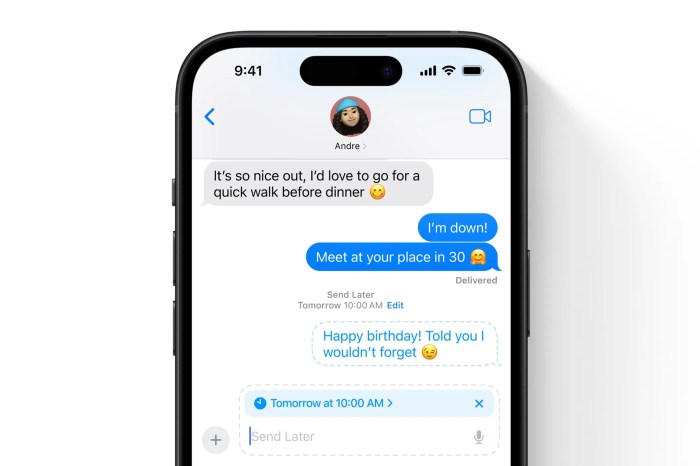
It’s a frustrating experience when your messages disappear into the digital ether, especially when you suspect the issue lies with the recipient’s device. While you’ve diligently checked your end, the problem might very well be on their side of the conversation. Let’s delve into how to figure out if this is the case and what steps you can take to troubleshoot.
Determining if the Issue is on the Recipient’s End
Pinpointing the source of the problem is crucial. To ascertain if the recipient’s device is the culprit, consider these methods:* Ask the Recipient Directly: The most straightforward approach is to simply ask them if they are receiving your messages. This immediate feedback provides a clear indication. If they aren’t getting your texts, you’ve narrowed down the problem.* Cross-Device Testing: If possible, try sending a message to the recipient from another device of your own, like a tablet or another phone.
If the message goes through from the alternate device, it further suggests a problem on the recipient’s end or a temporary issue with your primary device.* Observe Message Delivery Status: Most messaging apps provide delivery status indicators. Check if your message shows as “sent,” “delivered,” or “read.” If the message is “sent” but not “delivered,” or if it shows “delivered” but the recipient insists they haven’t received it, the issue might be with their device.
Note that delivery status isn’t always foolproof.* Consider Timing: Did the message fail to deliver after a specific event, like a power outage at the recipient’s location or a known issue with their internet service? This can point to a temporary issue specific to their device.
Troubleshooting Potential Problems with the Recipient’s Device
If you’ve determined the problem might be on the recipient’s end, here are some troubleshooting steps you can suggest:* Restart the Device: A simple restart often resolves minor glitches. Tell the recipient to turn their Android device off completely, wait a few seconds, and then turn it back on. This can clear temporary software issues.* Check for Sufficient Storage Space: A full storage can prevent new messages from being received.
The recipient should check their device’s storage settings to see if they have enough space. They can delete unnecessary files, photos, or videos to free up space.* Ensure the Messaging App is Updated: Outdated apps can cause compatibility issues. Have the recipient check the Google Play Store for updates to their messaging app (e.g., Messages by Google, Samsung Messages, WhatsApp, Signal, etc.) and install any available updates.* Verify Internet Connection: Messages, especially those containing multimedia content, require a stable internet connection.
The recipient should check their Wi-Fi or mobile data connection. Try toggling airplane mode on and off to reset the connection.* Check Notification Settings: Sometimes, notification settings are incorrectly configured. Ensure that notifications for the messaging app are enabled and that the app isn’t accidentally muted or blocked in the device’s settings.* Clear the App Cache and Data: This can sometimes resolve issues caused by corrupted data.
Instruct the recipient to go to their device’s settings, find the messaging app, and clear the cache and data.
Note
Clearing the data may delete some message history, so advise them to back up their messages first, if possible. Reinstall the Messaging App: If all else fails, suggest uninstalling and reinstalling the messaging app. This can often resolve more persistent software issues.
Methods to Determine if the Recipient Has Blocked the Sender
Being blocked is a possibility, though it’s often difficult to confirm definitively. Here’s how to investigate:* Message Delivery Status: If your messages consistently show as “sent” but never “delivered,” it could indicate a block. However, this isn’t always a reliable indicator, as other factors (like a disconnected phone) can also cause this.* Call Attempts: Try calling the recipient.
If the call goes straight to voicemail without ringing, it could be a sign of a block. Again, this isn’t definitive, as the recipient could have their phone turned off or have Do Not Disturb enabled.* Observe Profile Information: In some messaging apps, blocking can affect profile visibility. If you can no longer see the recipient’s profile picture or status updates (if applicable), it could suggest a block.* Use a Different Device or Number: The most conclusive test is to try sending a message or making a call from a different phone number or device.
If the message goes through or the call rings, it strongly suggests you’ve been blocked on your primary number.* Ask a Mutual Contact: If you have a mutual friend, you could ask them to try sending a message to the recipient. If their message goes through, it further reinforces the likelihood of a block.
Exercise caution and discretion when using this method, as it can be perceived as an invasion of privacy.*
Reasons Why Messages Might Not Be Received on the Recipient’s Android Device
There are many reasons why messages might not reach their destination. Here are some of the most common culprits:* Blocked Number: The recipient has intentionally blocked your number.
Device is Turned Off or Out of Service
The recipient’s phone is powered off, or they are in an area with no cellular service or Wi-Fi connectivity.
Full Storage
The recipient’s device storage is full, preventing new messages from being saved.
Outdated Messaging App
The recipient’s messaging app is outdated and experiencing compatibility issues.
Incorrect App Settings
The messaging app’s settings are incorrectly configured (e.g., notifications disabled).
Software Glitches
The recipient’s device is experiencing software glitches that are interfering with message delivery.
Interference from Third-Party Apps
Another app on the recipient’s device may be interfering with the messaging app.
Network Issues
The recipient is experiencing problems with their mobile carrier’s network.
Temporary Server Issues
There might be temporary issues with the messaging service’s servers.
Device Hardware Problems
Hardware issues with the recipient’s phone, such as a faulty antenna or SIM card, may be interfering with messaging.
Carrier and Network Related Problems

Ah, the mysteries of the mobile network! Sometimes, your message decides to take a scenic route, and other times, it vanishes into the digital ether. Before you blame the gremlins, let’s investigate if your carrier is the culprit. Understanding the role your mobile carrier plays is crucial when troubleshooting message delivery issues. Network hiccups can often be the source of your messaging woes, and knowing how to navigate these challenges can save you a lot of frustration.
Identifying Potential Problems with the Mobile Carrier
Pinpointing issues with your mobile carrier often feels like solving a complex puzzle. Fortunately, there are clues! Observing patterns in your messaging failures is a good starting point. Does it only happen when you’re in a specific area? Are messages delayed or failing to send at certain times of day? These details can help you diagnose the problem.
- Signal Strength: Keep an eye on your signal bars. A weak signal, especially in areas with known coverage issues, can be a major culprit. Think of it like trying to shout across a canyon; the weaker your voice (signal), the less likely you are to be heard.
- Intermittent Connectivity: Do you experience frequent drops in your data connection, or calls that cut out? This suggests a problem with the carrier’s network infrastructure in your area. Imagine the network as a busy highway; if there’s a traffic jam (network congestion), your messages might be stuck in limbo.
- Outages: Major network outages are usually widely reported. Check online forums, social media, or your carrier’s website for announcements. It’s like a temporary closure of that highway; everything is delayed until it reopens.
- Specific Contact Issues: Does messaging fail with a specific person or group? The problem could be isolated to that particular contact’s number, or the way the messages are routed.
- Data Usage: Unexplained spikes in your data usage, particularly when you haven’t been actively using data-intensive apps, could indicate network problems affecting messaging delivery. It’s like having someone secretly siphoning your gas; something is using up your resources without your knowledge.
Verifying Account Activity and Good Standing
Before you launch into a full-scale investigation, a quick account check can save you a world of trouble. A deactivated account, or one in arrears, is a common cause of messaging problems.
- Account Status: Log into your carrier’s website or app. Look for your account status; it should indicate that your account is active and in good standing. This is like making sure your car’s registration is current before you hit the road.
- Bill Payment: Ensure your bills are paid up-to-date. Unpaid bills can lead to service restrictions, including messaging. Think of it as a toll booth; if you haven’t paid, the gate stays down.
- Service Restrictions: Some carriers impose restrictions on certain services, such as international texting, or premium messaging. Make sure your account is configured to allow the type of messaging you are attempting. This is like ensuring you have the correct type of vehicle for the road; a truck is needed for a heavy load.
- Contact Carrier Support: If you are unsure about your account status, contacting your carrier’s customer service is the best approach. They can provide detailed information and help you resolve any issues.
Contacting the Mobile Carrier for Assistance
Reaching out to your mobile carrier is often the most direct path to a solution. Prepare to provide as much detail as possible to expedite the process.
- Gather Information: Before you call, collect details about the problem. Note the date and time of the failed messages, the recipient’s phone number, and any error messages you received.
- Customer Service Channels: Most carriers offer multiple ways to contact them: phone, online chat, email, or social media. Choose the method that is most convenient for you.
- Explain the Problem Clearly: Describe the issue concisely and accurately. Mention any troubleshooting steps you have already taken. This is like providing the mechanic with a precise description of the car’s issues.
- Ask Specific Questions: Don’t be afraid to ask for clarification or assistance. Inquire about network issues in your area, potential account restrictions, or any other relevant information.
- Follow Up: If the problem isn’t resolved during your initial contact, ask for a case number and follow up with the carrier to ensure a resolution.
Checking the Carrier’s Network Status for Outages
Staying informed about network outages can save you a lot of time and frustration. Carriers often provide tools to help you stay updated.
- Carrier Website or App: Most carriers have a dedicated page or section within their app where you can check the network status. This often includes a map highlighting areas with reported outages. It’s like checking the traffic report before you start your commute.
- Social Media: Follow your carrier’s social media accounts (e.g., Twitter/X, Facebook). They often post updates about outages and service disruptions. This is like getting real-time updates from other drivers on the road.
- Third-Party Websites: Several third-party websites and apps monitor network outages and report them in real-time. These can be helpful in verifying widespread issues.
- Local News: In the event of a significant outage, local news outlets often report on the issue, providing details about the affected areas and estimated repair times.
- Network Status Alerts: Some carriers offer the option to sign up for text or email alerts about network outages in your area. This ensures you receive timely notifications.
SMS/MMS Limitations and Considerations
Let’s face it, sending messages is a fundamental part of modern communication, but the technologies we rely on, like SMS and MMS, have some quirks. Understanding these limitations is key to ensuring your messages get through and look the way you intend. From the size of a cat video you can send to the number of characters you can cram into a text, knowing the ropes saves you headaches.
Character Limits in SMS
SMS, the trusty old workhorse of text messaging, has a pretty tight limit on how much you can say. It’s like trying to fit a novel onto a single sticky note.
“The maximum length of an SMS message is 160 characters for messages using the GSM 7-bit alphabet. If you use characters outside of this alphabet, the limit is reduced. Messages longer than this are often split into multiple messages, which can be costly and sometimes arrive out of order.”
Think about it this way: that heartfelt birthday wish, that hilarious meme, or even a simple “I’m running late” can easily exceed the SMS limit. While carriers handle longer messages by splitting them, this can lead to extra charges and a less-than-seamless experience.
File Size and Type Restrictions in MMS
MMS, the more evolved sibling of SMS, allows you to send multimedia content. However, it still has its boundaries. You can’t just send the entire internet in one go.MMS’s file size limits are often set by your mobile carrier and the receiving device. Generally, the maximum file size is around 1MB to 2MB. This means you have to be mindful of what you’re trying to send.
- Images: JPG, GIF, and PNG are common and widely supported. A good rule of thumb is to resize images before sending them. A high-resolution photo from your phone might be too large.
- Videos: MP4 is a generally accepted format. Keep the video duration short and the resolution reasonable to stay within the size limit.
- Audio: MP3 and AAC are frequently supported. Again, shorter audio clips are better.
Consider a scenario: you want to share a short video of your dog doing something silly. If the video is a few seconds long and compressed appropriately, it’s likely to send without a problem. But a longer, high-definition video might be rejected or cause issues.
Troubleshooting Large File Sending Issues
When you hit the MMS limit, it’s time to troubleshoot. Don’t worry; it’s usually fixable.
- Compress the File: Before sending a photo or video, use your phone’s built-in editing tools or a third-party app to compress the file.
- Reduce Resolution: Lower the resolution of your image or video. This dramatically reduces file size.
- Shorten the Video: Trim the video to its essential parts.
- Check Carrier Settings: Ensure your MMS settings are correct and that your carrier supports the file type and size. Sometimes, settings can get messed up.
- Use Alternative Methods: If MMS fails, consider using a messaging app like WhatsApp, Signal, or Telegram, which often have higher file size limits. You could also share a link to the file stored in a cloud service like Google Drive or Dropbox.
Third-Party App Conflicts
It’s a digital jungle out there, and sometimes, the vines of third-party apps can choke your messaging experience. While Android is generally robust, certain applications can unexpectedly clash with your messaging app, leading to delivery failures, delayed messages, or even complete communication breakdowns. This section will guide you through the process of identifying, mitigating, and ultimately, resolving these app-related conflicts.
Identifying App Interference
Pinpointing the culprit can feel like detective work, but there are telltale signs. Observe your messaging behavior carefully, and consider the timing of the issues.
- Sudden Onset: Did your messaging problems begin around the time you installed a new app or updated an existing one? This is a significant clue.
- App-Specific Timing: Do messages fail only when certain apps are open or being actively used? For example, if messages consistently fail after opening a particular game or utility app, that app could be the issue.
- Error Messages: Pay attention to any error messages you receive. While generic messages like “message failed to send” are common, sometimes you’ll get more specific clues, such as references to permissions or conflicts with another application.
- Unusual Behavior: Does your messaging app crash, freeze, or behave erratically after using a specific third-party app? These are clear indicators of potential conflicts.
Disabling or Uninstalling Conflicting Apps
Once you suspect an app, the next step is to isolate it.
Disabling Apps: Disabling an app is a less drastic measure than uninstalling. It’s like putting it in a time-out. It prevents the app from running in the background and interfering with other apps. To disable an app:
- Go to your device’s Settings.
- Tap on “Apps” or “Applications”.
- Find the suspected app and tap on it.
- Tap “Disable”. You may need to confirm this action.
Uninstalling Apps: If disabling the app doesn’t resolve the issue, or if you’re sure the app is the problem, uninstalling it is the next step. Uninstalling removes the app entirely from your device. To uninstall an app:
- Go to your device’s Settings.
- Tap on “Apps” or “Applications”.
- Find the suspected app and tap on it.
- Tap “Uninstall”. You may need to confirm this action.
Testing Message Sending After Removing Apps
The proof is in the pudding, or in this case, the sent message. After disabling or uninstalling a potentially conflicting app, test your messaging app thoroughly.
- Send a Test Message: Send a text message (SMS) and/or a multimedia message (MMS) to yourself or a trusted contact.
- Check Delivery Reports: If your messaging app supports it, enable delivery reports. This will tell you if the message was successfully delivered.
- Monitor for a Period: Give it some time. Observe your messaging app’s performance for a day or two to see if the problem has been fully resolved.
- Test Different Contacts: Send messages to different contacts on different networks to ensure the issue is not limited to a specific recipient or network.
Identifying Apps Likely to Cause Messaging Issues
Some app categories are more prone to causing conflicts than others. Identifying these high-risk app types can help you narrow down your search.
- Battery Savers and System Optimizers: These apps often aggressively manage background processes, which can sometimes interfere with messaging apps.
- VPNs and Security Apps: While they enhance security, these apps can sometimes route traffic in ways that conflict with messaging services.
- Custom ROMs and Rooting Apps: Modifying the Android operating system can introduce instability and conflicts.
- Apps with Extensive Permissions: Apps that request excessive permissions, especially those related to contacts, SMS, or network access, should be viewed with extra caution.
- Apps with Background Data Usage Restrictions: Apps that limit background data usage might prevent the messaging app from receiving or sending messages.
Example: Consider a user experiencing message delivery failures after installing a “battery saver” app. After uninstalling the battery saver, messages start sending successfully. This suggests the battery saver was the culprit, possibly by aggressively killing background processes related to the messaging app. In another scenario, a user finds that messages are not delivered while a VPN is active. Disabling the VPN immediately resolves the issue, indicating a conflict between the VPN and the messaging app’s network connectivity.
Troubleshooting RCS (Rich Communication Services)
Let’s delve into the world of RCS, the sophisticated messaging protocol poised to revolutionize how we connect. It’s like upgrading from a horse-drawn carriage to a sleek, modern vehicle. Understanding its nuances is crucial for ensuring smooth communication, especially when those messages just aren’t arriving.
How RCS Works and Its Potential Impact on Message Delivery
RCS, or Rich Communication Services, isn’t just a simple text message; it’s a dynamic, interactive experience. Think of it as SMS’s much more capable cousin. Instead of the limitations of SMS, RCS leverages the internet, offering features like read receipts, typing indicators, high-resolution photo and video sharing, and group chats with more participants. This transition to internet-based messaging significantly impacts message delivery, offering both improvements and potential complexities.The potential impact on message delivery is substantial.
With RCS, messages are typically routed through a carrier’s servers, similar to how email functions. This means that unlike SMS, which relies solely on cellular networks, RCS can utilize Wi-Fi or mobile data, making it more reliable in areas with weak cellular signals. Furthermore, RCS offers end-to-end encryption, ensuring that only the sender and recipient can read the messages, adding a layer of security not always available with SMS.However, the reliance on internet connectivity introduces its own set of challenges.
If a user has a poor internet connection, RCS messages might be delayed or fail to send. Moreover, the compatibility of RCS between different carriers and devices can sometimes lead to interoperability issues. If a recipient’s device or carrier doesn’t support RCS, the message might fall back to SMS, potentially losing some of the rich features.
Checking if RCS is Enabled on Both Devices
Verifying whether RCS is active on both the sender’s and recipient’s devices is the initial step in troubleshooting. This ensures that the advanced features of RCS are actually being utilized.To check if RCS is enabled:
- Android Devices: The process is usually straightforward. Open the default messaging app (e.g., Google Messages). Navigate to the app’s settings (often accessed by tapping the three vertical dots or your profile icon). Look for options like “Chat features,” “RCS chats,” or something similar. If the feature is enabled, you’ll typically see a status indicating that RCS is connected and ready to use.
If it’s disabled, you’ll have the option to turn it on.
- Recipient’s Device: The recipient should perform the same check on their device, following the same steps as above. Ensure they have a compatible messaging app and that RCS is enabled in its settings.
- Status Check: Within the messaging app, when you are composing a message, look for indicators such as “Chat” or “RCS” next to the recipient’s name or in the message composition field. These indicators confirm that RCS is being used for that particular conversation. If you don’t see these, it might be defaulting to SMS/MMS.
Troubleshooting RCS-Related Issues
When messages fail to send or the expected RCS features are not working, a methodical approach is needed to identify the root cause.Here are some troubleshooting steps:
- Verify Internet Connection: Since RCS relies on the internet, ensure both the sender and recipient have a stable Wi-Fi or mobile data connection. Test the connection by browsing the web or using other internet-dependent apps.
- Check RCS Status: Confirm that RCS is enabled and connected in the messaging app settings on both devices, as described earlier.
- Restart the Messaging App and Device: Sometimes, a simple restart can resolve temporary glitches. Close the messaging app and reopen it. If the problem persists, restart the entire device.
- Clear Cache and Data: The messaging app’s cache and data can sometimes become corrupted. Clear the cache and, if necessary, the data (this will reset app settings). Be aware that clearing data may delete your message history. Go to Settings > Apps > [Messaging App] > Storage > Clear Cache and Clear Data.
- Update the Messaging App: Outdated apps may have bugs or lack compatibility with the latest RCS features. Check the Google Play Store (or the app store on the recipient’s device) for updates to the messaging app.
- Check for Carrier Support: Ensure both your carrier and the recipient’s carrier support RCS. Some carriers have specific requirements or limitations. Check the carrier’s website or contact their customer support for information.
- Verify Phone Number: Double-check that the recipient’s phone number is entered correctly in your contacts.
- Check for Conflicts with Other Apps: Certain third-party apps, such as SMS backup apps, may interfere with RCS. Temporarily disable these apps to see if the problem is resolved.
- Reset Network Settings: Resetting network settings can sometimes fix connectivity issues. Go to Settings > System > Reset options > Reset Wi-Fi, mobile & Bluetooth.
- Contact Carrier Support: If all else fails, contact your carrier’s customer support. They can investigate network-related problems or RCS configuration issues on their end.
Descriptive Illustration of the RCS Messaging Process
Imagine a vibrant, interconnected network representing the RCS messaging process.The illustration should depict the following:* The Sender’s Device (e.g., a modern smartphone): On the left, a phone displays a chat interface with a message being composed. The message bubbles are colorful and feature read receipts and typing indicators.* The Carrier’s Network (represented by a stylized cloud): In the center, a large, translucent cloud symbolizes the carrier’s network infrastructure.
Inside the cloud, there are interconnected nodes representing servers and data centers. Arrows show data packets being processed.* The Recipient’s Device (e.g., a similar smartphone): On the right, another phone mirroring the sender’s device, displaying the received message. The message has been received, and the read receipt is visible.* Key Features Visualized:
Read Receipts
Small checkmarks next to the message, changing color to indicate “sent,” “delivered,” and “read.”
Typing Indicators
A subtle animation showing three dots indicating the recipient is composing a reply.
File Sharing
A picture of a high-resolution photo or video being shared.
Group Chat
Multiple profile icons arranged around a chat bubble, representing a group conversation.
Encryption
A small padlock icon next to the chat, indicating end-to-end encryption.
Fall-back to SMS
An alternate path leading from the sender’s device to the carrier’s network, representing the SMS fallback.
Data Flow
Arrows showing the flow of the message from the sender’s device, through the carrier’s network, to the recipient’s device. The arrows are labeled with terms like “message,” “data packets,” and “acknowledgment.”This visual representation illustrates the key features of RCS, the importance of a reliable network connection, and the seamless exchange of information. The use of clear visual elements makes the complex process easy to understand.
Hardware-Related Problems

Sometimes, the issue isn’t software or settings; it’s the physical components of your phone that are causing the messaging hiccups. Let’s delve into the tangible aspects, the nuts and bolts, that can prevent your messages from reaching their intended destinations. A phone is, after all, a collection of delicate parts working in concert, and a single malfunction can disrupt the entire symphony of communication.
SIM Card Insertion and Functionality
The SIM card is your phone’s identity, the key that unlocks your ability to connect to the cellular network and send messages. Ensuring it’s properly seated and operational is the first, most crucial step in troubleshooting hardware-related messaging problems.To verify proper SIM card insertion:
- Power off your Android device completely.
- Locate the SIM card tray. This is usually found on the side or top of the phone and may require a SIM eject tool (a small pin or paperclip).
- Carefully remove the tray.
- Inspect the SIM card. Ensure it’s clean and free from any visible damage, such as cracks or bends.
- Place the SIM card in the tray, ensuring it’s aligned correctly. The tray often has a diagram indicating the proper orientation.
- Reinsert the tray into the phone.
- Power on your device.
- Check the notification bar for a signal indicator. If you see signal bars, the SIM card is likely recognized. If you see “No Service” or “Emergency Calls Only,” there might be an issue.
If, after these steps, you still experience problems, the SIM card itself could be the culprit.To test the SIM card in another device:
- Obtain another unlocked phone or a phone that supports your carrier’s network.
- Power off the second phone.
- Remove the SIM card tray and insert your SIM card.
- Power on the second phone.
- Observe the signal indicator. If the second phone displays a strong signal and you can send and receive messages, the original phone might have a hardware issue. If the second phone also shows “No Service” or similar, the SIM card itself might be damaged or not provisioned correctly.
- Try a different SIM card from a friend or family member in your original phone to see if it works. This helps determine if the issue is with your phone or your SIM card.
Antenna Malfunction, Messages not sending to android
The antenna is the unsung hero of your phone, the silent messenger that carries your messages to and from the world. A damaged or malfunctioning antenna can severely impact your phone’s ability to send and receive messages, even if the SIM card is functioning correctly.The impact of a damaged or malfunctioning antenna:
- Weak Signal Strength: A damaged antenna results in a significantly weaker signal. You might see fewer signal bars or experience frequent drops in connectivity. This leads to messages failing to send or taking an excessively long time to transmit.
- Intermittent Connectivity: The antenna may fail to maintain a stable connection to the cellular network. You could experience periods of no service or intermittent connectivity, hindering message delivery.
- Failed Message Delivery: Messages might simply fail to send. You may receive error messages indicating that the message could not be delivered.
- Reduced Range: A damaged antenna reduces the effective range of your phone. You might only be able to send messages when very close to a cell tower.
- Increased Battery Drain: A phone with a faulty antenna constantly searches for a signal, leading to increased battery consumption.
The antenna’s location varies by phone model, but it is typically embedded within the phone’s casing. Visible damage, such as cracks, dents, or a loosened connection, can indicate an antenna problem. In such cases, professional repair or replacement of the device may be necessary. For instance, if you live in a rural area and used to receive a stable signal, but now experience frequent message failures and weak signal strength, this could point to antenna damage.
Similarly, if your phone has recently suffered a drop, even a seemingly minor one, it may have caused internal antenna damage. These are all potential signs that warrant further investigation into the hardware components of your device.
