Ever really feel like your Android cellphone’s battery is vanishing sooner than a magician’s rabbit? Effectively, welcome to the world of “the best way to put apps in deep sleep android,” the place we uncover the secrets and techniques to a longer-lasting cellphone expertise. Consider it as giving your apps a much-needed nap, stopping them from secretly siphoning away your treasured battery juice within the background.
We’ll delve into the science behind deep sleep, exploring its advantages and potential drawbacks. Think about it a journey to reclaim management over your gadget’s power consumption and, in the end, your peace of thoughts.
This is not nearly technical jargon; it is about understanding how your cellphone works and taking cost. We’ll determine the same old suspects – these battery-guzzling apps that like to run amok – and learn to tame them. From built-in Android options to device-specific methods and even third-party helpers, we’ll equip you with the information to place these power-hungry apps right into a slumber they will not quickly overlook.
Get able to bid farewell to fixed charging and good day to a cellphone that lasts!
Understanding Deep Sleep on Android
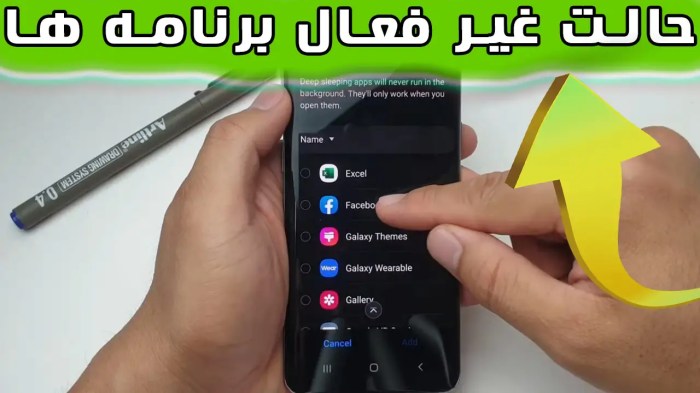
The Android working system is designed to be environment friendly, however apps can typically drain your battery. Deep sleep is an important power-saving characteristic that helps handle this, permitting your gadget to preserve power when not in use. It is like placing your apps right into a hibernation state. Let’s delve into what deep sleep entails, its benefits, and any potential downsides.
Defining Deep Sleep for Android Apps
Deep sleep, within the context of Android, refers to a state the place an app is actually inactive and never consuming important battery sources. When an app is in deep sleep, it is prevented from working background processes, receiving push notifications, or performing any actions that will preserve the gadget awake. Consider it as a power-saving mode particularly for particular person apps.
That is managed by the Android system to optimize battery life.
Advantages of App Deep Sleep
Placing apps into deep sleep offers a number of important benefits, primarily associated to battery life and gadget efficiency. Here is a breakdown:
- Prolonged Battery Life: The first profit is a noticeable improve in battery longevity. By stopping apps from consistently working within the background, deep sleep reduces the general energy consumption of your gadget. That is notably noticeable for apps that steadily replace or carry out duties even once you’re not actively utilizing them.
- Improved Efficiency: When fewer apps are actively working, your gadget’s processor and reminiscence are much less burdened. This will result in smoother efficiency, sooner app switching, and a extra responsive total expertise. Think about a much less congested freeway to your gadget’s sources.
- Lowered Warmth Technology: Apps working within the background can contribute to gadget overheating. By minimizing background exercise, deep sleep helps to maintain your gadget cooler, which might additionally contribute to longer battery life and improved {hardware} well being.
Potential Drawbacks and Limitations, How you can put apps in deep sleep android
Whereas deep sleep gives important advantages, there are additionally potential drawbacks and limitations to think about.
- Delayed Notifications: Apps in deep sleep will not obtain push notifications instantly. Notifications will solely arrive once you open the app or when the system wakes it up periodically. This could be inconvenient for apps the place well timed notifications are essential, equivalent to messaging apps or e mail purchasers.
- Lack of Background Performance: Any background duties the app performs, equivalent to syncing information or updating content material, shall be paused whereas in deep sleep. This might lead to stale data or delayed updates. For example, your climate app may not refresh its information as steadily.
- App Habits Variations: The effectiveness of deep sleep can fluctuate relying on the app and the Android model. Some apps could resist being put into deep sleep greater than others, or the system may override your settings based mostly by itself energy administration methods.
- App Dependency Points: Sure apps depend on different apps to operate accurately. If a dependent app is in deep sleep, it would have an effect on the efficiency of the app you are actively utilizing. It is a rarer concern, however it’s one thing to pay attention to.
Figuring out Apps to Put in Deep Sleep
Deciding which apps deserve a digital nap and which of them want to remain awake is an important step in optimizing your Android gadget’s battery life. It is a bit like sorting your social circle – some pals are high-energy, consistently buzzing, whereas others are completely happy to catch up sometimes. The purpose right here is to determine these power-hungry apps that may fortunately snooze with out disrupting your digital life.
Figuring out Widespread Apps That Profit from Deep Sleep
Sure app classes are infamous for his or her background exercise. Placing these in deep sleep can considerably scale back battery drain with out main inconvenience. The hot button is to focus on apps that you do not want instantaneous notifications or fixed updates from.
- Social Media Apps: These apps, with their countless scrolling and fixed notifications, are prime suspects for extreme battery consumption. Consider them because the chatty pals who at all times wish to be in contact.
- Information and Journal Apps: Information apps usually refresh content material within the background, consuming information and battery.
- Procuring Apps: Many procuring apps ship frequent promotional notifications and observe your exercise.
- Journey Apps: Journey apps, except you are actively utilizing them for navigation, will be safely put to sleep.
- Health Apps: In the event you solely use them for infrequent monitoring, they could be a good candidate for deep sleep.
Sharing Examples of Apps That Ought to NOT Be Put in Deep Sleep
Some apps are important for rapid performance and require fixed background processes. Placing these into deep sleep may result in a irritating person expertise. It is like making an attempt to place your alarm clock to sleep – not a good suggestion!
- Messaging Apps: Apps like WhatsApp, Telegram, and Sign are designed for immediate communication. Placing them in deep sleep will delay message supply.
- E mail Apps: In the event you depend on your e mail for pressing communications, you will need it to remain lively.
- Alarm Clocks: Clearly, your alarm clock must be working within the background to wake you up.
- Calendar Apps: Calendar apps must sync occasions and ship reminders.
- Safety Apps: Apps that present safety features, equivalent to Discover My System, shouldn’t be put in deep sleep.
- Banking Apps: Apps used for monetary transactions usually require background processes for safety and updates.
Detailing How you can Decide Which Apps Are Draining Battery within the Background
Understanding which apps are the battery hogs is step one in reclaiming your cellphone’s energy. Android offers built-in instruments that can assist you determine these culprits. It is like having a detective equipment to your cellphone’s battery life.
To search out out which apps are utilizing essentially the most battery, go to your Android gadget’s settings. Normally, you will discover a “Battery” or “Battery utilization” part. Right here, you will see a breakdown of battery consumption by app. Search for apps which might be utilizing a disproportionately giant share of your battery, particularly in case you do not actively use them.
Analyzing Battery Utilization Information: Android’s battery utilization display screen offers detailed data. Take note of the next:
- Utilization Proportion: The proportion of battery utilized by every app.
- Background Exercise: Apps with excessive background exercise are prime suspects.
- Display screen On Time vs. Background Time: If an app has a excessive background time in comparison with screen-on time, it is doubtless draining battery within the background.
For instance, think about a situation the place a social media app exhibits 20% battery utilization with 15% background exercise, whilst you solely spent 10 minutes actively utilizing the app. This means the app is working arduous within the background.
Utilizing Third-Social gathering Apps (Non-compulsory): Whereas Android’s built-in instruments are normally adequate, you too can use third-party battery monitoring apps. These apps usually present extra detailed insights and may also help you pinpoint the particular actions which might be draining your battery. They’ll even present suggestions on which apps to place in deep sleep.
Instance Case: Think about a person whose cellphone is consistently shedding battery. They verify the battery utilization stats and discover {that a} not often used information app is consuming 18% of the battery, with 16% attributed to background exercise. By placing this app in deep sleep, the person can anticipate a noticeable enchancment in battery life, doubtlessly including a number of hours of utilization per day.
Strategies to Put Apps in Deep Sleep (Constructed-in Options)

Alright, let’s get right down to the nitty-gritty of placing these power-hungry apps to mattress utilizing the instruments Android itself offers. Consider it because the Android system’s built-in concierge service to your battery, providing a collection of options designed to handle app conduct and lengthen your cellphone’s lifespan. These are the instruments that allow you to take management with no need to obtain a third-party app.
We’re speaking concerning the built-in options which might be available on most Android gadgets, able to be wielded by you, the savvy cellphone person.
Android’s Constructed-in App Hibernation Characteristic
Android has advanced to supply a number of strategies for managing app background exercise, together with what we are able to loosely time period “app hibernation.” This is not at all times a clearly labeled “hibernation” characteristic, however it’s achieved by means of functionalities like “Deep Sleep” and “App Standby Buckets,” which intelligently categorize apps based mostly on their utilization patterns. Apps in Deep Sleep are basically frozen, stopping them from working within the background and draining battery.
App Standby Buckets, however, group apps into totally different classes (Energetic, Working Set, Frequent, Uncommon) based mostly on how usually you employ them. Apps within the “Uncommon” bucket are additionally closely restricted, minimizing their background exercise. The system dynamically adjusts these buckets to optimize battery life.
How you can Use the Constructed-in App Hibernation or Deep Sleep Settings
Now, let’s get our fingers soiled and really put some apps into deep sleep. The precise steps can fluctuate barely relying in your Android model and the producer of your gadget (Samsung, Google Pixel, OnePlus, and so forth.), however the common course of stays constant.First, you will must find the app you want to put to sleep.Right here’s a common step-by-step information:
- Open Settings: Begin by tapping the “Settings” app on your private home display screen or in your app drawer. That is normally represented by a gear icon.
- Navigate to Apps or Apps & Notifications: Within the Settings menu, search for an possibility labeled “Apps,” “Apps & Notifications,” or one thing comparable. The wording could differ barely relying in your gadget.
- Discover the App: Faucet on “See all apps” or “App information” to view an inventory of all of the apps put in in your gadget. Scroll by means of the record or use the search bar to search out the particular app you wish to handle.
- Open App Data: Faucet on the app’s identify to open its app information display screen. This display screen offers detailed details about the app, together with its permissions, storage utilization, and battery utilization.
- Entry Battery Settings: Search for a piece associated to “Battery,” “Battery Utilization,” or “App Battery Utilization.” The precise wording and placement could fluctuate. Faucet on this feature.
- Allow Background Restriction: Right here, you will discover choices to handle the app’s background exercise. The obtainable choices could embody:
- Background restriction/App Standby: That is the important thing. Choose this feature to limit background exercise. The system will then stop the app from working within the background, successfully placing it right into a type of “deep sleep.”
- Optimize Battery Utilization: Be sure that is enabled for the app. This permits Android to handle the app’s battery utilization extra effectively.
- Affirm and Apply: After deciding on the specified settings, you might want to verify your alternative by tapping “OK” or “Apply.”
Bear in mind, these steps are a common information. Your particular gadget’s interface could be barely totally different.
How you can Entry and Configure the Battery Optimization Settings on Completely different Android Gadgets
The battery optimization settings are essential for extending battery life. They help you management how apps use battery energy, stopping extreme background exercise. Here is the best way to entry and configure these settings on totally different Android gadgets.The trail to battery optimization settings can fluctuate throughout producers.Listed here are some examples:
- Google Pixel (Inventory Android):
- Settings: Open the Settings app.
- Battery: Faucet on “Battery.”
- Battery Utilization: Faucet on “Battery Utilization” to see an inventory of apps and their battery consumption.
- App Settings: Faucet on an app to see its battery utilization particulars and choices like “Background restriction.”
- Adaptive Battery: Allow or disable “Adaptive Battery” to let Android optimize battery utilization routinely.
- Samsung Galaxy:
- Settings: Open the Settings app.
- Battery and gadget care: Faucet on “Battery and gadget care.”
- Battery: Faucet on “Battery.”
- Background utilization limits: Faucet on “Background utilization limits” to handle apps that may run within the background.
- Energy saving mode: Allow “Energy saving mode” for extra battery optimization.
- OnePlus:
- Settings: Open the Settings app.
- Battery: Faucet on “Battery.”
- Battery optimization: Faucet on “Battery optimization.”
- Select Apps: Choose apps to optimize their battery utilization.
- Superior optimization: Discover choices like “Sleep standby optimization” and “Optimized charging.”
You will need to perceive that the settings could evolve with Android model updates. Usually verify your gadget’s settings to remain up to date with the most recent options and choices.
Strategies to Put Apps in Deep Sleep (Utilizing System-Particular Options)
Alright, so you have grasped the fundamentals of deep sleep, and you recognize which apps are draining your battery. Now, let’s dive into how totally different Android producers have cooked up their very own particular sauces for placing apps to mattress. These options usually transcend the inventory Android choices, offering a extra personalized and typically aggressive strategy to energy administration. Buckle up; it is time to discover the distinctive sleep cycles of your cellphone’s siblings.
Samsung’s App Energy Administration
Samsung, being the powerhouse it’s, gives a complete strategy to app energy administration, deeply built-in into its One UI pores and skin. You will discover a number of choices designed to offer you granular management. They do not simply put apps in deep sleep; they provide totally different ranges of slumber!To get to those settings, sometimes, you will must navigate:
- Settings
- Battery and gadget care
- Battery
- Background utilization limits
Inside this menu, you will doubtless encounter:
- Put unused apps to sleep: This routinely places apps you have not used shortly right into a sleeping state. It is a mild nudge in the direction of energy saving.
- Deep sleeping apps: That is the place the heavy lifting occurs. Apps on this class are basically frozen, stopping them from working within the background. They will not obtain notifications or replace till you manually open them.
- Sleeping apps: These apps are restricted of their background exercise. They could nonetheless obtain some notifications however are closely throttled.
- Apps that by no means sleep: Right here, you may exclude apps from any power-saving measures, making certain they at all times run within the background.
Samsung’s implementation usually makes use of machine studying to determine apps that may be safely put to sleep, tailoring its power-saving methods to your utilization patterns. This adaptive strategy is designed to steadiness battery life with app performance.
Xiaomi’s Battery Saver Options
Xiaomi, identified for its feature-rich MIUI interface, offers a sturdy set of battery-saving instruments. Their strategy usually prioritizes aggressive energy administration to increase battery life.To search out these options on a Xiaomi gadget, the trail normally includes:
- Settings
- Battery
- Battery saver
Key options to look out for embody:
- Battery saver: That is the principle toggle to allow power-saving mode, which restricts background exercise and may restrict CPU utilization.
- Extremely battery saver: This mode goes even additional, limiting entry to all however important apps and options, drastically extending battery life in a pinch.
- App battery saver: This lets you individually management how every app behaves.
- Prohibit background exercise: You possibly can stop apps from working within the background.
- Clear cache when gadget is locked: This routinely clears app caches when the gadget is locked, additional optimizing efficiency and energy consumption.
Xiaomi’s implementation usually gives a extra aggressive strategy to battery saving, doubtlessly impacting notification supply and background updates extra considerably than another producers.
Variations Throughout Android Manufacturers
The way in which producers implement deep sleep performance can fluctuate considerably, resulting in totally different person experiences and trade-offs.
Here is a comparability to spotlight some key variations:
| Characteristic | Samsung | Xiaomi | Google (Inventory Android) |
|---|---|---|---|
| Granularity | Gives a number of sleep states (sleeping, deep sleeping), giving customers fine-grained management. | Gives a extra aggressive strategy with extremely battery saver, but additionally offers per-app controls. | Focuses on adaptive battery and app standby buckets, offering automated administration. |
| Customization | Extremely customizable, permitting customers to exclude apps and alter power-saving settings. | Offers in depth customization choices, together with per-app settings and automated clearing of caches. | Gives restricted direct management, relying extra on the system’s adaptive algorithms. |
| Aggressiveness | Balances energy saving with app performance, utilizing machine studying to adapt to person conduct. | Tends to be extra aggressive, prioritizing battery life even at the price of some background exercise. | Much less aggressive, specializing in optimizing background exercise with out considerably impacting app performance. |
| Consumer Interface | Intuitive and well-integrated into the One UI pores and skin. | Characteristic-rich and built-in into the MIUI interface. | Clear and easy, built-in into the Android system settings. |
Think about the impression on notification supply and background updates when utilizing these options. Aggressive power-saving measures may delay notifications or stop apps from updating within the background. Discovering the precise steadiness between battery life and app performance is essential, and this can fluctuate relying in your utilization patterns and gadget model.
Strategies to Put Apps in Deep Sleep (Utilizing Third-Social gathering Apps)
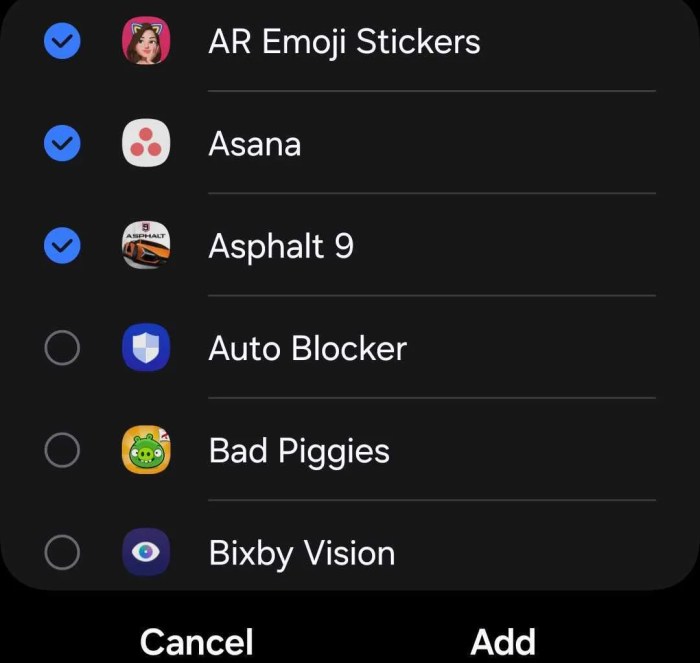
Typically, the built-in Android options simply aren’t sufficient to wrangle these battery-draining apps. That is the place third-party apps swoop in, providing extra granular management and sometimes, a wider vary of customization choices. Consider them as power-user instruments to your cellphone’s sleep schedule. Nonetheless, like every third-party intervention, there are trade-offs to think about.
Figuring out In style Third-Social gathering Apps That Handle App Hibernation or Deep Sleep
The app market is brimming with choices promising to optimize your battery life. These apps usually present extra aggressive hibernation or deep sleep performance than the system’s built-in instruments.
- Greenify: It is a long-standing favourite. Greenify routinely places apps into hibernation once you’re not actively utilizing them. It is identified for its user-friendly interface and minimal impression on total system efficiency. The app gives each free and paid variations, with the paid model unlocking extra superior options like aggressive hibernation and process killer integration.
- Naptime: This app particularly focuses on optimizing the Doze mode, which is Android’s built-in power-saving characteristic. Naptime means that you can customise the Doze mode’s aggressiveness, enabling it to kick in sooner and extra steadily. It requires root entry or ADB instructions to operate totally, which is usually a barrier for some customers.
- Servicely: Servicely offers a special strategy, permitting customers to regulate the background exercise of apps by stopping them from beginning providers or working within the background unnecessarily. This will considerably scale back battery drain, notably from apps that consistently verify for updates or carry out different background duties.
- ForceDoze: This app, much like Naptime, focuses on manipulating Doze mode settings. It offers extra granular management over the Doze mode’s conduct, permitting customers to fine-tune its settings to attain optimum battery financial savings. Like Naptime, ForceDoze usually requires root entry or ADB instructions.
Sharing the Execs and Cons of Utilizing Third-Social gathering Apps for Deep Sleep Administration
Whereas third-party apps supply a compelling promise of prolonged battery life, it is essential to know their potential drawbacks. Weighing these execs and cons will aid you make an knowledgeable determination.
- Execs:
- Extra Management: These apps usually present a finer degree of management over app hibernation and background exercise than the built-in Android options.
- Aggressive Hibernation: They are often extra aggressive in placing apps to sleep, doubtlessly saving extra battery.
- Customization: Many apps supply in depth customization choices, permitting you to tailor their conduct to your particular wants.
- Consumer-Pleasant Interfaces: Many third-party apps are designed with user-friendliness in thoughts, making it simpler to handle app hibernation.
- Cons:
- Potential for Instability: Modifying system conduct can typically result in instability or sudden conduct, particularly if the app is not suitable together with your gadget or Android model.
- Battery Drain from the App Itself: The third-party app itself consumes battery, though sometimes that is minimal.
- Safety Considerations: Downloading apps from unknown sources can pose safety dangers. All the time make sure you obtain from respected sources just like the Google Play Retailer.
- Root Entry Necessities: Some apps require root entry to operate totally, which might void your gadget’s guarantee and introduce safety vulnerabilities if not dealt with fastidiously.
- Compatibility Points: Third-party apps could not at all times be suitable with all gadgets or Android variations, resulting in efficiency points or malfunctions.
Detailing How you can Set up, Configure, and Use a Particular Third-Social gathering App to Put Apps in Deep Sleep
Let’s take Greenify for instance, as it is a broadly used and comparatively user-friendly possibility. This walkthrough will information you thru the set up, configuration, and utilization of Greenify.
- Set up:
- Open the Google Play Retailer in your Android gadget.
- Seek for “Greenify” (be sure you’re downloading the official app by Oasis Feng).
- Faucet on “Set up” and observe the on-screen prompts.
- Configuration:
- Grant Permissions: Upon opening Greenify for the primary time, you will be prompted to grant it the mandatory permissions. These permissions enable Greenify to determine and hibernate apps. Grant all requested permissions.
- Allow Accessibility Service: Greenify usually makes use of the Android Accessibility Service to routinely hibernate apps. You will be guided by means of the method of enabling this service inside your gadget’s settings.
- Root Entry (Non-compulsory however Really useful): In case your gadget is rooted, Greenify can make the most of root entry for extra aggressive hibernation. The app will immediate you to grant root entry.
- Utilization:
- Figuring out Apps to Hibernate: Greenify will scan your gadget and record the apps which might be eligible for hibernation. Faucet the “+” button so as to add apps to the hibernation record.
- Hibernating Apps: After deciding on the apps, Greenify will put them into hibernation. You possibly can manually hibernate apps by tapping the “Zz” button inside the app. Greenify may even routinely hibernate apps within the background.
- Monitoring Hibernation: Greenify offers data on which apps are hibernated and after they had been final hibernated.
- Superior Options (Paid Model):
- Aggressive Hibernation: The paid model gives extra aggressive hibernation choices, additional lowering background exercise.
- Job Killer Integration: Greenify can combine with a process killer to stop apps from restarting after being hibernated.
Troubleshooting Deep Sleep Points
Deep sleep, the final word power-saving mode, can typically throw a number of curveballs. Whereas the promise of prolonged battery life is attractive, encountering sudden points is just not unusual. Concern not! We’ll delve into the frequent pitfalls and equip you with the information to beat these challenges, making certain your apps slumber peacefully and your gadget features flawlessly.
Widespread Issues with Deep Sleep
Many customers expertise hiccups when first dabbling in deep sleep. These issues can vary from the frustratingly minor to the downright disruptive. Understanding these frequent points is step one in the direction of a smoother expertise.
- Missed Notifications: That is maybe essentially the most frequent grievance. Apps which might be put into deep sleep may not get up promptly to ship notifications, resulting in delays in receiving messages, emails, or updates. This may be notably annoying for apps you depend on for well timed data.
- App Malfunctions: Some apps, designed to function constantly or at common intervals, may behave erratically when deep sleep is enabled. They might freeze, crash, or just fail to operate as meant. This usually impacts apps that rely on background processes or fixed information synchronization.
- Connectivity Points: Deep sleep can intervene with Wi-Fi and cell information connections. Apps may battle to connect with the web, resulting in loading errors or a whole incapability to entry on-line content material.
- Battery Drain Paradox: Satirically, in uncommon instances, deep sleep settings, particularly if misconfigured, can result in elevated battery drain. This happens when the system struggles to get up apps or when apps are consistently making an attempt to avoid deep sleep restrictions.
- Wake-up Delays: Even when apps are designed to get up for particular duties, there will be delays. Because of this a scheduled sync or replace could be postponed, disrupting the meant workflow.
Troubleshooting Apps Failing to Enter Deep Sleep
If an app stubbornly refuses to enter deep sleep, it is time for some detective work. Figuring out the perpetrator and implementing the precise repair is usually a satisfying endeavor.
- Test App Permissions: Make sure the app has the mandatory permissions. Some apps want background information entry or the power to run within the background to operate accurately, even when deep sleep is enabled.
- Look at Battery Optimization Settings: Many Android gadgets have battery optimization options that may intervene with deep sleep. These settings may stop apps from coming into deep sleep to keep up some degree of background performance. Assessment the gadget’s battery settings and alter the optimization degree for the problematic app.
- Assessment App-Particular Settings: Some apps have their very own settings that override system-level power-saving options. Search for settings inside the app itself that could be stopping deep sleep.
- Replace the App: Outdated apps are vulnerable to bugs and compatibility points. An replace may resolve conflicts with the deep sleep settings or the working system.
- Clear App Cache and Information: Typically, corrupted cache recordsdata or information can intervene with an app’s conduct. Clearing the cache and information can power the app to reset and doubtlessly resolve the issue. Keep in mind that clearing the info will reset the app to its default state, so you will lose any customized settings.
- Reinstall the App: If all else fails, uninstalling and reinstalling the app is a drastic however usually efficient resolution. This ensures a clear set up and removes any lingering points.
Options for Missed Notifications and App Malfunctions
The purpose is to attain a steadiness between energy saving and performance. Listed here are options to handle frequent issues related to deep sleep.
- Prioritize Notifications: For important apps, mark them as excessive precedence within the notification settings. This will increase the chance of the app waking up promptly to ship notifications.
- Whitelist Apps: Most deep sleep administration instruments help you whitelist sure apps, stopping them from coming into deep sleep. Whitelisting apps you must obtain notifications from is a standard and efficient resolution.
- Regulate Sync Frequency: If an app depends on background synchronization, improve the sync frequency. This ensures that the app wakes up extra usually to fetch updates.
- Use Various Notification Strategies: Some apps supply various notification strategies, equivalent to push notifications. If obtainable, use these as an alternative of counting on background processes.
- Monitor App Habits: Keep watch over the app’s conduct after enabling deep sleep. If issues persist, contemplate lowering the deep sleep aggressiveness or utilizing a special deep sleep administration device.
- Manufacturing unit Reset (Final Resort): In excessive instances, a manufacturing facility reset could be essential to resolve persistent points. This needs to be thought of solely as a final resort, as it is going to erase all information in your gadget. Again up your information earlier than performing a manufacturing facility reset.
Evaluating Deep Sleep Strategies
Alright, let’s get right down to brass tacks and pit these deep sleep strategies in opposition to one another. We have explored the varied avenues to coax your apps right into a slumber, now it is time to see how they stack up. This is not nearly throwing apps right into a digital coma; it is about discovering the precise strategy to your particular wants, balancing ease of use, options, and the ever-important battery life.
Think about this your information to choosing the final word sleep resolution to your Android gadget.Here is a breakdown evaluating the effectiveness of built-in, device-specific, and third-party strategies. We’ll study ease of use, options, and compatibility.
Methodology Comparability Desk
Let’s lower to the chase and current a side-by-side comparability of the totally different deep sleep strategies. This desk offers a fast reference that can assist you perceive the strengths and weaknesses of every strategy.
| Methodology | Ease of Use | Options | Compatibility |
|---|---|---|---|
| Constructed-in | Usually easy, accessible by means of system settings. | Gives fundamental management, usually restricted to pre-selected apps or app classes. | Excessive; obtainable on most Android gadgets. |
| System-Particular | Varies; will be very user-friendly with devoted interfaces or extra complicated. | Typically consists of superior choices like aggressive sleep modes, app-specific controls, and extra granular scheduling. | Restricted to particular producers (e.g., Samsung, Xiaomi, OnePlus). |
| Third-Social gathering | May be very simple to make use of, with intuitive interfaces; additionally could have extra complicated choices. | Wide selection of options, together with aggressive deep sleep, process automation, and detailed battery utilization evaluation. | Varies; compatibility points can come up with newer Android variations or device-specific customizations. |
Influence on Battery Life
The final word purpose of deep sleep is to preserve battery life, so let’s study the impression of every methodology. It is essential to know that the precise battery financial savings will fluctuate based mostly in your gadget, app utilization, and the particular settings you select.* Constructed-in Strategies: Sometimes supply average battery financial savings. They are a good start line for lowering background exercise with out considerably impacting app performance.
Consider it as a mild nap to your apps.
System-Particular Strategies
Typically present extra aggressive power-saving choices. This will result in noticeable enhancements in battery life, however it could additionally have an effect on notifications or app updates. It is a energy nap with a bit extra punch.
Third-Social gathering Apps
Can present essentially the most aggressive battery financial savings, but additionally include the very best threat of disrupting app performance. The potential good points are important, however it requires cautious configuration and monitoring. That is like placing your apps right into a full-blown hibernation.It is also price noting that the effectiveness of any deep sleep methodology will depend on the apps you are utilizing. Useful resource-hungry apps will profit extra from deep sleep than much less demanding ones.
Finest Fitted to Completely different Consumer Wants
Choosing the proper deep sleep methodology is a private journey. Think about your technical consolation degree and the way you employ your cellphone.* For the Informal Consumer: The built-in options are a strong alternative. They’re simple to make use of and supply a very good steadiness between battery financial savings and app performance. That is excellent for somebody who simply desires a little bit additional juice with out messing round with sophisticated settings.
For the Tech-Savvy Consumer
System-specific or third-party strategies supply extra management and customization. You possibly can fine-tune settings to maximise battery life, even when it means tweaking issues a bit. That is for the facility person who desires to squeeze each final drop of efficiency from their gadget.
For the Battery Life Obsessed
If battery life is your high precedence, discover device-specific and third-party apps. Be ready to experiment with totally different settings and monitor app conduct to search out the proper steadiness between energy financial savings and app performance. That is for the battery-life warrior, the one who’s at all times searching for that additional hour of display screen time.Finally, the perfect methodology is the one which works greatest foryou*.
Experiment, alter, and discover the candy spot that retains your apps asleep and your battery completely happy.
Superior Concerns for Deep Sleep
Alright, so you have discovered the ropes of deep sleep. Now, let’s dive into some extra intricate features. We’ll discover how deep sleep impacts your day by day digital life, from the fixed ping of notifications to the unseen work your apps do within the background. We’ll additionally navigate the difficult waters of whitelisting and contemplate the safety implications of third-party instruments. Get able to degree up your Android power-user sport.
Influence on App Notifications and Background Processes
Deep sleep, whereas implausible for battery life, is not with out its trade-offs. The first consequence is the potential delay in receiving notifications and the interruption of background processes. It is because apps are basically “frozen” when in deep sleep, and solely get up periodically or when the system explicitly permits them to.This implies:
- Delayed Notifications: You may not see emails, messages, or social media updates immediately. The system will ship these notifications when the app is “woken up,” which might be minutes and even hours later, relying on the deep sleep settings and the app’s precedence.
- Interrupted Background Duties: Background processes, like syncing information, importing photographs, or updating widgets, may even be affected. These duties shall be paused throughout deep sleep and resume when the app is allowed to run. This might imply your cloud backups take longer, or your climate widget may not replace as steadily.
- App-Particular Habits: The diploma of impression varies from app to app. Some apps are designed to be extra resilient to deep sleep, making an attempt to re-establish connections and sync information after they get up. Others may lose information or fail to carry out their duties accurately in the event that they’re consistently put to sleep.
- Examples: Think about you are ready for a important work e mail. With deep sleep enabled, you may not obtain it instantly. Or, image your picture backup app; your current footage may not add to the cloud till the subsequent time your cellphone “wakes up” the app.
Primarily, deep sleep creates a balancing act. It saves battery by minimizing background exercise, however at the price of rapid data supply and steady background operations. Rigorously contemplate the apps you select to place into deep sleep, prioritizing those who aren’t time-sensitive or important for real-time updates.
Whitelisting Apps to Forestall Deep Sleep
Typically, you want sure apps to remain lively, no matter deep sleep settings. For instance, you may want a messaging app to ship instantaneous messages, or a health tracker to file your exercise. Fortuitously, Android gives a technique to “whitelist” these apps, stopping them from being put into deep sleep. This ensures they will proceed working within the background and carry out their duties.Here is how whitelisting works, usually talking:
- System-Particular Settings: The precise methodology varies relying in your gadget producer and Android model. Most producers present a setting within the battery optimization or app administration part to exclude particular apps from battery optimization (which frequently consists of deep sleep).
- “Unrestricted” Battery Utilization: You will sometimes discover an choice to set battery utilization to “unrestricted” or “no restrictions” for an app. This tells the system to not impose power-saving measures, together with deep sleep.
- Prioritizing Apps: Some producers help you prioritize apps, granting them extra background processing time.
- Influence on Battery Life: Keep in mind that whitelisting apps will scale back the battery financial savings of deep sleep. The extra apps you whitelist, the much less battery life you will save.
- Discovering the Settings: Search for choices like “Battery Optimization,” “App Launch,” or “Background Exercise” inside your gadget’s settings menu. You may must seek the advice of your gadget’s person guide or search on-line for directions particular to your cellphone mannequin.
- Instance: For instance you depend on a messaging app like WhatsApp. You’d doubtless whitelist it to make sure you obtain messages immediately. The trade-off is that WhatsApp will devour extra battery energy within the background in comparison with apps which might be put to sleep.
Rigorously contemplate which apps actually must be whitelisted. Solely whitelist apps that require real-time notifications or steady background operation. The less apps you whitelist, the better the battery-saving advantages of deep sleep.
Safety and Privateness Implications of Third-Social gathering Deep Sleep Apps
Whereas built-in deep sleep options are usually secure, utilizing third-party apps to handle deep sleep comes with inherent safety and privateness dangers. These apps usually require important permissions to operate, doubtlessly exposing your information to vulnerabilities.Think about these components:
- Permission Necessities: Third-party deep sleep apps usually request permissions like entry to your gadget’s location, contacts, storage, and even the power to learn your notifications. Granting these permissions to an untrusted app can compromise your private information.
- Information Assortment: Some third-party apps gather person information, which they could promote to advertisers or share with different entities. Rigorously assessment the app’s privateness coverage to know how your information is used.
- Malware Threat: Downloading apps from unofficial sources or utilizing apps from untrusted builders will increase the chance of putting in malware. Malware can steal your information, observe your exercise, and even take management of your gadget.
- Lack of Safety Audits: In contrast to the built-in Android system, third-party apps are usually not topic to the identical degree of safety scrutiny. This will increase the chance of vulnerabilities and exploits.
- Developer Status: Analysis the app developer earlier than putting in their app. Search for critiques, rankings, and details about the developer’s fame.
- Instance: Think about a deep sleep app that requests entry to your contacts. The app developer may doubtlessly entry and share your contact data with out your information or consent.
Earlier than putting in a third-party deep sleep app:
- Analysis the App: Learn critiques, verify the developer’s fame, and perceive the permissions it requires.
- Assessment the Privateness Coverage: Rigorously study the app’s privateness coverage to know how your information is collected and used.
- Use Official Sources: Obtain apps solely from the Google Play Retailer to attenuate the chance of malware.
- Think about Alternate options: Discover built-in Android options or device-specific settings earlier than resorting to third-party apps.
- Usually Assessment Permissions: Test the permissions granted to all apps in your gadget and revoke any pointless permissions.
Whereas third-party apps can supply superior deep sleep management, the potential dangers to your safety and privateness are substantial. Prioritize your digital well-being by fastidiously evaluating the dangers and advantages earlier than putting in any third-party app.
Optimizing App Habits for Deep Sleep: How To Put Apps In Deep Sleep Android
Tremendous-tuning your app utilization is essential for maximizing deep sleep effectiveness. Consider it as choreographing a fragile dance between your cellphone’s power-saving mode and the apps vying for its consideration. By understanding how apps behave and making strategic changes, you may considerably lengthen your battery life and guarantee your cellphone rests peacefully once you do. Let’s delve into the nitty-gritty of app optimization.
App Behaviors Interfering with Deep Sleep
Sure app behaviors are infamous for disrupting deep sleep. These actions preserve the cellphone awake, draining the battery and stopping it from coming into its most energy-efficient state.
- Persistent Background Exercise: Apps consistently working within the background, like those who refresh social media feeds, stream music, or observe your location, are prime suspects. They repeatedly get up the cellphone to carry out duties, thus hindering deep sleep.
- Frequent Community Requests: Apps that steadily verify for updates, sync information, or ship notifications over the community stop the gadget from coming into deep sleep. Every community interplay requires the cellphone to get up and devour energy.
- Wake Locks: Some apps use “wake locks” to stop the gadget from sleeping. These are sometimes employed for duties requiring steady operation, equivalent to navigation apps or music gamers. Nonetheless, improperly managed wake locks can preserve the cellphone awake unnecessarily.
- Push Notifications: Whereas seemingly innocuous, extreme push notifications can set off the cellphone to get up and verify for content material. The extra notifications, the extra steadily the cellphone shall be roused from its slumber.
- Location Providers: Apps constantly accessing your location, even once you’re not actively utilizing them, are a serious drain on battery and intervene with deep sleep. It is because the GPS and different location providers require important energy and preserve the cellphone lively.
Adjusting App Settings for Deep Sleep Compatibility
Fortuitously, you are not powerless in opposition to these app behaviors. Most apps supply settings that may be tweaked to enhance their compatibility with deep sleep. The hot button is to discover a steadiness between performance and energy conservation.
- Background Information Restrictions: In your cellphone’s settings, you may usually limit apps from utilizing background information. This prevents them from consistently refreshing within the background, thus lowering their impression on deep sleep. Navigate to your cellphone’s settings, discover the “Apps” or “App Administration” part, choose the app, and search for “Background information” or “Background exercise” choices. Toggle these off for apps you needn’t replace consistently.
- Notification Administration: Scale back the variety of notifications you obtain. In every app’s settings, you may customise which notifications you wish to obtain and when. Mute or disable notifications for much less important apps to attenuate wake-ups.
- Location Permissions: Assessment and alter location permissions. Restrict apps to utilizing your location “Solely whereas utilizing the app” or disable location entry altogether for apps that do not want it. This considerably reduces battery drain and enhances deep sleep.
- Sync Frequency: For apps that sync information, equivalent to e mail or cloud storage, alter the sync frequency. As a substitute of syncing routinely, set them to sync manually or at longer intervals. This reduces the frequency of community requests and improves deep sleep.
- Battery Optimization: Most Android telephones have a built-in battery optimization characteristic. Allow this for apps which might be constantly draining your battery. This characteristic helps to handle app conduct to scale back energy consumption, doubtlessly together with extra aggressive background exercise restrictions.
The Position of Background Information Restrictions in Relation to Deep Sleep
Background information restrictions are a strong device within the struggle for deeper sleep. They act as a gatekeeper, controlling an app’s entry to the community whereas the app is just not actively in use.
The way it Works: When background information is restricted, an app can not routinely ship or obtain information within the background. This implies it could actually’t consistently refresh content material, sync information, or ship notifications with out your direct interplay. This successfully minimizes the app’s skill to get up the cellphone and intervene with deep sleep.
Influence on Deep Sleep: By limiting background information, you scale back the frequency of community exercise. The cellphone can then enter deep sleep extra readily and stay there for longer durations. This interprets to prolonged battery life and a extra responsive gadget once you want it.
Concerns: Limiting background information can have an effect on the performance of some apps. For instance, you may not obtain notifications instantly or your emails may not sync as steadily. The hot button is to search out the precise steadiness between energy financial savings and app usability. Prioritize limiting background information for apps that are not important for real-time updates.
Instance: Think about you limit background information for a information app. The app will now not routinely obtain the most recent articles within the background. As a substitute, you will must open the app to refresh the content material. This minor inconvenience is commonly a small value to pay for the numerous enchancment in battery life and deeper sleep.
Illustrative Examples and Case Research
Deep sleep can appear a bit summary till you see it in motion. That is why diving into real-world examples and visible representations is essential. We’ll discover how deep sleep has dramatically improved battery life for some customers and the best way to visually determine when an app is taking a much-needed nap.
Case Research: Battery Life Enhance with Deep Sleep
Let’s meet Sarah, a busy skilled who depends closely on her Samsung Galaxy S23. Sarah was pissed off along with her cellphone’s battery life; it barely lasted a full workday. She was consistently tethered to a charger, which considerably hampered her productiveness and total expertise. Sarah’s typical utilization concerned a number of social media, e mail, and navigation apps.Sarah determined to analyze deep sleep.
After researching and experimenting with totally different strategies, she centered on placing essentially the most battery-draining apps into deep sleep in periods of inactivity.Here is a breakdown of her before-and-after battery efficiency:* System: Samsung Galaxy S23
Apps Affected
Fb, Instagram, Gmail, Google Maps
Earlier than Deep Sleep
Battery drain averaged about 20% each 3 hours with average utilization.
After Deep Sleep
Battery drain dropped to about 10% each 3 hours with comparable utilization.
Influence
Sarah gained an additional 3-4 hours of battery life per day, permitting her to comfortably get by means of her workday with no need to cost. She seen a big discount within the cellphone’s temperature, too.This enchancment took place by strategically limiting the background exercise of those resource-intensive purposes. Sarah’s case highlights the potential impression of deep sleep on extending the operational time of a cell gadget.
Visible Illustration of an App in Deep Sleep
Think about you are observing an app going into deep sleep in your Android gadget. It is like watching a tiny digital creature quiet down for a nap. For instance we’re specializing in the Fb app.Right here’s what the visible cues may appear like, relying on the Android model and the deep sleep methodology used:* Notification Icon: In some instances, a small, crescent moon icon may seem subsequent to the Fb app icon within the notification bar or within the app’s settings, signifying that it is in deep sleep.
This icon serves as a visible reminder of the app’s present state.
App Icon Badge
Some customized Android skins or third-party apps may use a refined badge on the app icon itself. For instance, the Fb app icon may get a small, overlaid “Zzz” image or a dimmed shade to point it is asleep.
System-Stage Indication
Going into the battery utilization settings of your gadget may present Fb’s exercise being drastically diminished, with a graph indicating a flat line in periods of inactivity, a visible illustration of minimal background processes.
Detailed Settings
In superior settings, you may see a “Deep Sleep” standing listed subsequent to the app, confirming its present state.These visible cues, although various in presentation relying on the Android model and the particular implementation, supply a transparent indication that an app has entered a state of diminished exercise.
Consumer Testimonial: Deep Sleep’s Influence
“Earlier than I began utilizing deep sleep, my cellphone was at all times dying on me. Now, I can really make it by means of the day with out stressing about discovering a charger. It is made an enormous distinction!”Mark S., Android Consumer.
