Android Snap Darkish Mode is not only a function; it is a transformation. Think about a world the place your late-night scrolling does not depart your eyes feeling like they’ve stared into the solar. The place battery life stretches somewhat additional, and the sleekness of your interface mirrors the sophistication of your personal model. That is the promise of darkish mode, and in Android Snap, it is greater than only a visible tweak; it is a rigorously crafted expertise designed to raise your interplay with the app.
We’ll delve into the mechanics of this elegant function, exploring its design, its technical underpinnings, and the very actual advantages it presents to you, the person. From the refined shifts in coloration palettes to the strategic optimizations that hold your gadget buzzing, we’ll uncover the secrets and techniques behind Android Snap’s darkish mode. Contemplate this your invitation to journey by the shadows and uncover a brand new dimension of digital consolation and magnificence.
Introduction to Android Snap Darkish Mode
Android Snap Darkish Mode is a function designed to reinforce the person expertise by altering the appliance’s coloration scheme from a vibrant, mild background with darkish textual content to a darkish background with mild textual content. This easy but efficient shift presents a mess of advantages, significantly for customers who regularly use the appliance in low-light environments. Consider it as a digital sundown, easing the pressure in your eyes because the day winds down.
Primary Performance of Android Snap Darkish Mode
The core performance of Android Snap Darkish Mode revolves round inverting the colour palette of the person interface. This implies the appliance’s background, menus, and different visible components transition from predominantly mild hues to darkish ones, whereas the textual content and different key components shift to brighter, extra simply readable colours. The implementation sometimes includes a system-wide setting, permitting customers to allow darkish mode both manually or robotically based mostly on a schedule, reminiscent of at sundown or throughout nighttime hours.
Goal and Advantages of Implementing Darkish Mode in Android Snap
The first function of implementing darkish mode in Android Snap is to enhance person expertise, scale back eye pressure, and preserve battery life. The advantages are multifaceted, making a extra comfy and environment friendly expertise for customers.
- Eye Pressure Discount: Darkish mode considerably reduces the quantity of blue mild emitted by the gadget’s display. Extended publicity to blue mild can result in eye fatigue and sleep disturbances. Darkish mode mitigates this, making it simpler on the eyes, particularly in low-light situations.
- Battery Life Conservation: For gadgets with OLED or AMOLED shows, darkish mode can contribute to battery life financial savings. These shows illuminate particular person pixels, and when darkish mode is enabled, the black pixels are primarily turned off, consuming much less energy. The extent of the battery saving varies relying on the gadget and utilization patterns.
- Improved Aesthetics and Consumer Choice: Many customers merely favor the feel and appear of darkish mode. It will possibly create a extra visually interesting and immersive expertise, significantly for functions like Android Snap, which are sometimes used for leisure and communication.
- Accessibility Enhancements: Darkish mode can enhance accessibility for customers with sure visible impairments. The excessive distinction between the textual content and background could make it simpler to learn content material.
Transient Historical past of Darkish Mode Adoption on Android Gadgets
The adoption of darkish mode on Android gadgets has developed over time, reflecting a rising consciousness of person wants and technological developments.
- Early Days (Pre-Android 9 Pie): Initially, darkish mode implementations have been usually app-specific and inconsistent. Some apps provided darkish themes as a customization possibility, whereas others didn’t. The system-wide help was missing.
- Android 9 Pie: Android 9 Pie launched a primary darkish mode possibility, but it surely was considerably restricted. Customers might allow a darkish theme, but it surely wasn’t universally utilized throughout the whole system.
- Android 10 and Past: Android 10 marked a major step ahead with the introduction of a system-wide darkish mode toggle. Customers might simply allow darkish mode from the fast settings panel or by the show settings. Builders have been additionally inspired to implement darkish mode help of their functions, making the transition extra seamless.
- Ongoing Growth: Android continues to refine and enhance darkish mode help. Current variations of Android provide extra granular management over darkish mode settings, together with automated scheduling based mostly on time of day or ambient mild situations. This steady evolution displays the significance of darkish mode as a key function for person expertise and gadget effectivity.
Consumer Interface and Expertise with Darkish Mode
Android Snap’s darkish mode is not only a beauty tweak; it is a rigorously thought-about redesign supposed to reinforce your interplay with the app. It is about making the app simpler in your eyes, enhancing usability in various environments, and doubtlessly saving battery life. Let’s delve into how this transformation performs out.
Visible Adjustments with Darkish Mode Activation, Android snap darkish mode
The second you flip the swap, a change unfolds. The previously vibrant, light-themed interface of Android Snap provides strategy to a predominantly darkish aesthetic. The white backgrounds that beforehand dominated the display are changed with deep grays and blacks. Textual content, which was beforehand darkish, now shifts to lighter shades, making certain readability in opposition to the brand new backdrop. Accent colours, like these used for buttons and highlights, subtly modify to keep up visible consistency and readability.
This shift is not nearly inverting colours; it is a strategic adjustment of the whole visible palette to optimize the person expertise.
Readability and Consumer Consolation in Various Lighting
Darkish mode’s influence on readability and person consolation is important, particularly in sure situations.In vibrant environments, like outside on a sunny day, the diminished distinction of sunshine mode could make it troublesome to obviously see the display. Darkish mode, by offering a darker background, helps scale back the glare and permits for higher focus.In low-light conditions, reminiscent of at night time or in a dimly lit room, darkish mode shines.
The diminished brightness minimizes eye pressure and prevents your eyes from having to consistently modify between the brilliant display and the darkish environment. This will result in a extra comfy and fewer fatiguing person expertise throughout prolonged use.Darkish mode additionally has the potential to contribute to battery financial savings on gadgets with OLED or AMOLED screens. These screens illuminate particular person pixels, so displaying darkish colours requires much less energy than displaying vibrant colours.
Whereas the precise battery financial savings will range relying on the gadget and utilization, darkish mode can provide a noticeable benefit over time.
Comparability of Consumer Interface Parts in Mild and Darkish Modes
As an instance the variations, let’s evaluate some key person interface components side-by-side. The next desk offers a transparent distinction.
| Ingredient | Mild Mode | Darkish Mode | Description |
|---|---|---|---|
| Background | White (#FFFFFF) | Darkish Grey (#121212) | The first background coloration, which occupies the vast majority of the display area. In mild mode, this can be a vibrant white. Darkish mode employs a deep grey to reduce mild emission. |
| Textual content | Darkish Grey (#212121) | Mild Grey/White (#FFFFFF) | The colour used for the primary textual content content material throughout the app. Mild mode makes use of a darker shade to offer distinction in opposition to the white background. Darkish mode inverts this, utilizing a lighter shade or white to make sure readability in opposition to the darkish background. |
| Buttons | Major Colour with White Textual content | Major Colour with White Textual content or Inverted | Buttons retain their coloration however with textual content coloration that ensures excessive distinction. In mild mode, the button’s background is often a brighter coloration, and the textual content is white. In darkish mode, buttons usually use the identical major coloration, however the textual content stays white, or the button’s coloration is inverted. |
| Standing Bar & Navigation Bar | Mild with Darkish Icons | Darkish with Mild Icons | The standing bar, which shows data like time and battery degree, and the navigation bar, which offers system navigation, adapt to match the general theme. Mild mode makes use of a light-weight background with darkish icons, whereas darkish mode inverts this, utilizing a darkish background with mild icons. |
Technical Implementation of Darkish Mode in Android Snap

Alright, let’s dive into the nitty-gritty of bringing darkish mode to life inside Android Snap. It isn’t only a easy toggle; it is a cautious orchestration of code, sources, and design decisions. We’ll discover the instruments and methods wanted to make that swap from mild to darkish really feel as clean as attainable.
Programming Languages and Frameworks
The inspiration of any Android software, together with one with darkish mode, rests upon a number of key pillars. Understanding these languages and frameworks is crucial to constructing a stable and adaptable darkish mode implementation.
- Java/Kotlin: These are the first programming languages for Android growth. Kotlin, particularly, is usually favored for its conciseness and trendy options, making it a well-liked selection for brand spanking new Android initiatives, together with options like darkish mode. These languages deal with the core logic, person interface (UI) interactions, and system integrations.
- Android SDK (Software program Growth Equipment): This equipment offers the required instruments, libraries, and APIs to develop Android functions. It consists of elements just like the Android framework, construct instruments, and emulator, all essential for creating and testing darkish mode performance.
- Android Jetpack: This suite of libraries helps builders observe greatest practices, scale back boilerplate code, and write extra sturdy functions. Particularly, the AppCompat library inside Jetpack presents options that simplify theming and darkish mode implementation, permitting for backward compatibility with older Android variations.
- XML (Extensible Markup Language): XML is used to outline the structure of the person interface. It describes the construction of UI components like buttons, textual content views, and picture views, which may be tailored for darkish mode by utilizing totally different coloration and magnificence sources.
Detecting and Responding to System-Large Darkish Mode Settings
A key side of an excellent darkish mode implementation is the power to robotically swap based mostly on the person’s system settings. This ensures a seamless and user-friendly expertise. This is the way it’s achieved:
- Configuration Adjustments: Android functions can detect adjustments in system configuration, together with the looks mode (mild or darkish). The `onConfigurationChanged()` technique in an Exercise or Fragment may be overridden to hear for these adjustments.
- `UiModeManager` Class: This class lets you verify the present UI mode (e.g., UI_MODE_NIGHT_YES for darkish mode) and to programmatically change it, although direct manipulation is usually discouraged in favor of respecting system settings.
- `AppCompatDelegate.setDefaultNightMode()`: This technique, a part of the AppCompat library, is the popular strategy to deal with darkish mode. It lets you set the default night time mode, which may be `MODE_NIGHT_FOLLOW_SYSTEM`, `MODE_NIGHT_YES`, or `MODE_NIGHT_NO`. `MODE_NIGHT_FOLLOW_SYSTEM` is usually really helpful, because it respects the person’s system-wide choice.
- `Context.getResources().getConfiguration().uiMode` and `Configuration.UI_MODE_NIGHT_MASK`: These components can be utilized to find out the present UI mode inside an software.
Dealing with Colour Themes and Sources
The true magic of darkish mode lies within the cautious administration of coloration themes and sources. A well-designed theme ensures that the UI adapts gracefully to the darkish mode, offering optimum readability and visible attraction.
- Colour Sources: Android functions use coloration sources outlined within the `res/values/colours.xml` file. To help darkish mode, you create a separate `colours.xml` file within the `res/values-night` listing. The system robotically selects the suitable file based mostly on the present UI mode.
- Theme Attributes: Themes are outlined in `res/values/types.xml` and `res/values-night/types.xml`. Themes use attributes to outline colours, fonts, and different visible properties. For instance, `?attr/colorPrimary` and `?attr/colorOnPrimary` are widespread attributes for major colours and textual content colours on high of major backgrounds, respectively. These attributes are then mapped to particular coloration values within the respective `colours.xml` recordsdata.
- Utilizing Attributes As an alternative of Direct Colour References: As an alternative of hardcoding coloration values, use theme attributes. This permits the system to robotically swap colours when the theme adjustments. For instance, use `@coloration/colorPrimary` in `res/values/colours.xml` and `@coloration/colorPrimaryDark` in `res/values-night/colours.xml`.
- Customized Views: In case you create customized views, you need to deal with theme adjustments inside them. This includes overriding the `onAttachedToWindow()` and `onDetachedFromWindow()` strategies to watch and reply to theme adjustments. This will contain re-inflating layouts or updating the view’s look based mostly on the present theme.
- Instance:
Let’s think about a easy instance. In `res/values/colours.xml`:
        <coloration title="colorPrimary">#FFFFFF</coloration>
        <coloration title="colorBackground">#F0F0F0</coloration>
And in `res/values-night/colours.xml`:
        <coloration title="colorPrimary">#212121</coloration>
        <coloration title="colorBackground">#121212</coloration>
In your structure, use `android:background=”?attr/colorBackground”` for the background of a view. The system will robotically swap between the sunshine and darkish coloration values based mostly on the present theme.
Advantages of Darkish Mode for Android Snap Customers
Darkish mode is not only a fashionable aesthetic; it is a function filled with benefits in your Android Snap expertise. From extending your battery life to creating late-night Snaps simpler on the eyes, darkish mode presents a bunch of advantages that improve usability and general satisfaction. Let’s dive into the specifics.
Bettering Battery Life on OLED Screens
The magic of darkish mode actually shines on gadgets geared up with OLED (Natural Mild-Emitting Diode) screens. Not like conventional LCD screens that illuminate the whole show, OLED screens individually mild up every pixel. Which means that when a pixel is displaying black, it is primarily turned off, consuming no energy.That is the place the battery-saving energy of darkish mode is available in. By displaying a predominantly darkish interface, darkish mode minimizes the variety of lit pixels, considerably decreasing energy consumption.
The extra black pixels on the display, the much less power is used. For instance, a research by Google discovered that enabling darkish mode on a Pixel telephone might prolong battery life by as much as 60 minutes in some circumstances. That is particularly noticeable throughout prolonged durations of use, like an extended day of snapping and viewing content material. Think about the distinction:
The extra black pixels on the display, the much less power is used.
Decreasing Eye Pressure Throughout Nighttime Use
Gazing a vibrant display in a dimly lit atmosphere generally is a actual ache – actually. The excessive distinction between a vibrant white display and the encircling darkness forces your eyes to work more durable, resulting in eye pressure, complications, and even sleep disruption. Darkish mode offers a gentler visible expertise, particularly when utilizing your telephone at night time.Darkish mode flips the script, changing the brilliant background with a darkish one and the sunshine textual content with a lighter shade.
This reduces the quantity of blue mild emitted by the display, which is thought to intervene with sleep. It is like switching from a evident highlight to a smooth, ambient glow. This is a real-world state of affairs:Think about you are scrolling by Snaps in mattress earlier than sleep. With darkish mode, your eyes will not be as strained, and also you’re much less prone to really feel the necessity to squint or blink excessively.
This permits for a extra relaxed and cozy expertise, contributing to higher sleep high quality.
Accessibility Enhancements Supplied by Darkish Mode
Darkish mode is not nearly aesthetics; it additionally considerably enhances accessibility for customers with visible impairments. The distinction supplied by a darkish background and light-weight textual content could make content material simpler to learn for people with situations like:
- Low imaginative and prescient: The elevated distinction could make textual content and different visible components extra distinct and simpler to understand.
- Mild sensitivity (photophobia): Darkish mode reduces the general brightness of the display, which may alleviate discomfort attributable to vibrant mild.
- Dyslexia: Some customers with dyslexia discover that darkish mode reduces visible stress and improves readability by making a extra visually secure atmosphere.
- Astigmatism: Darkish mode can typically scale back the halo impact round textual content, making it clearer for customers with astigmatism.
Customization Choices and Settings for Darkish Mode
So, you have embraced the shadowy embrace of Android Snap’s darkish mode? Wonderful selection! Now, let’s dive into the nitty-gritty: howyou* get to name the pictures. Android Snap understands that one dimension does not match all in terms of visible preferences. That is why we have crafted a set of customization choices, providing you with final management over how, when, and the place darkish mode reigns supreme.
Get able to tweak, tune, and tailor your darkish mode expertise to perfection!
Darkish Mode Preferences Overview
Android Snap presents a spread of settings designed to offer customers with a extremely personalised darkish mode expertise. These choices be certain that darkish mode seamlessly integrates along with your day by day routine and preferences. Right here’s a breakdown of the obtainable customization options.
- Handbook Toggle: The best and most speedy possibility. With a single faucet, you possibly can immediately swap between mild and darkish mode. This offers immediate management, good for rapidly adapting to totally different lighting situations.
- System Default: This setting permits Android Snap to reflect the system-wide darkish mode setting of your Android gadget. In case your gadget is about to darkish mode, Android Snap will observe go well with. In case your system switches to mild mode (maybe based mostly on a schedule), Android Snap will revert to mild mode as properly. This ensures a constant visible expertise throughout your whole gadget.
- Adaptive Mode (Dynamic Theme): This clever mode robotically adjusts the darkish mode based mostly on the ambient mild detected by your gadget’s sensors. In a dimly lit atmosphere, darkish mode will activate to cut back eye pressure and preserve battery. Because the lighting situations enhance, the app transitions again to mild mode.
Scheduling Darkish Mode: Time and Location Based mostly Choices
Need darkish mode to robotically kick in when the solar goes down, or once you’re nestled in your favourite dimly lit espresso store? Android Snap allows you to schedule darkish mode based mostly on each time and placement, providing unparalleled flexibility. This ensures darkish mode is at all times working for you, not the opposite approach round.
- Time-Based mostly Scheduling: Set particular instances for darkish mode to activate and deactivate. For instance, you possibly can schedule darkish mode to activate robotically at 7:00 PM and swap again to mild mode at 7:00 AM. That is good for customers preferring darkish mode throughout night and nighttime hours. That is additionally helpful for customers which might be vulnerable to mild sensitivity at sure instances of the day.
- Location-Based mostly Scheduling: Darkish mode may be activated once you enter a selected location. Think about strolling right into a movie show; darkish mode might robotically have interaction, enhancing the viewing expertise. Equally, you could possibly set it to activate once you enter your own home or workplace, optimizing the app in your typical lighting situations. This leverages the gadget’s location providers to set off the change.
Troubleshooting and Frequent Points
Generally, even with the perfect intentions, issues do not go as deliberate. Darkish mode in Android Snap, whereas designed for visible consolation and battery effectivity, can often current some hiccups. Let’s delve into the widespread pitfalls and navigate them.
Show Issues Associated to Darkish Mode
It is irritating when the interface does not behave as anticipated. Show issues, reminiscent of sudden coloration inversions or textual content that is troublesome to learn, can crop up. This is a troubleshooting information that can assist you resolve these points.
- Incorrect Theme Utility: The darkish mode may not be utilized accurately to all components of the app. This may very well be as a result of a bug or an incomplete implementation.
- Compatibility Points: Older Android variations or customized ROMs could fit issues with the darkish mode function.
- Third-Celebration Interference: Some apps or system-level settings might override the darkish mode settings, resulting in show inconsistencies.
- Caching Issues: Previous cached knowledge might trigger the app to show incorrectly, even after enabling darkish mode.
To troubleshoot, observe these steps:
- Restart the App: Shut and reopen Android Snap. This easy step usually resolves non permanent glitches.
- Restart Your System: A full gadget restart can clear system caches and resolve deeper-seated points.
- Test Android System Settings: Be sure that the system-wide darkish mode is enabled, as this could have an effect on how Android Snap features. Go to Settings > Show and verify the theme settings.
- Replace Android Snap: Be sure you are utilizing the newest model of the app. Updates usually embody bug fixes and enhancements associated to darkish mode.
- Clear Cache and Information: Within the gadget settings (Settings > Apps > Android Snap > Storage), clear the app’s cache and knowledge. Bear in mind that clearing knowledge will reset your app settings.
- Reinstall the App: As a final resort, uninstall and reinstall Android Snap. This ensures a clear set up.
Resolving Colour Distinction Points
Colour distinction is essential for readability, particularly in darkish mode. Poor distinction can pressure your eyes. Let us take a look at handle coloration distinction points with some code examples.Think about a state of affairs the place a textual content coloration is not adjusted accurately in darkish mode, making it exhausting to learn in opposition to the darkish background. The secret’s to make sure that the textual content coloration dynamically adjustments based mostly on the theme.
This is the way you would possibly method this in your code:Contemplate this primary XML structure:“`xml “`On this instance, `android:textColor` makes use of `?attr/textColorPrimary`. It is a system-defined attribute that robotically adjustments coloration relying on the theme. In mild mode, it is perhaps black; in darkish mode, it is sometimes white or a light-weight grey.Now, take a look at the values outlined in your `colours.xml` recordsdata. You should have two totally different recordsdata, one for mild mode and one other for darkish mode:For `res/values/colours.xml` (mild mode):“`xml #000000 “`For `res/values-night/colours.xml` (darkish mode):“`xml#FFFFFF “`Through the use of the `?attr/textColorPrimary` attribute, you might be letting the system deal with the colour distinction. In case you manually set a coloration immediately (e.g., `android:textColor=”#000000″`), it is not going to adapt to the darkish mode. The output in darkish mode would then look one thing like this, making it unreadable:
Mild Mode:
Textual content: That is my textual content
Colour: Black (readable)Darkish Mode:
Textual content: That is my textual content
Colour: Black (unreadable)
To repair this, at all times use attributes and guarantee your theme is correctly configured to deal with coloration adjustments. In case you are making a customized coloration, outline it throughout the right theme sources to make sure correct coloration distinction in darkish mode. For instance:In `res/values/themes.xml`:“`xml
@coloration/black
“`In `res/values-night/themes.xml`:“`xml
@coloration/white
“`By adhering to those ideas, you will guarantee a readable and visually comfy darkish mode expertise in your customers.
Darkish Mode and Third-Celebration Integrations
Let’s delve into how the Android Snap darkish mode interacts with the broader digital ecosystem, significantly in terms of the assorted apps and providers that Android Snap would possibly join with. That is essential for sustaining a seamless and visually pleasing expertise for customers, making certain that the darkish mode extends past simply the Snap interface itself.
Look of Embedded Content material and Internet Views
Android Snap usually incorporates content material from exterior sources, whether or not it is by embedded hyperlinks, internet views, or integrations with different platforms. Understanding how darkish mode impacts this content material is vital to a cohesive person expertise.When Android Snap’s darkish mode is enabled, the looks of embedded content material and internet views is immediately impacted. If the built-in content material is not designed with darkish mode compatibility, it’d show with a vibrant background and light-weight textual content, making a jarring distinction in opposition to the darkish Snap interface.
This will result in eye pressure and a much less satisfying expertise. Conversely, if the built-in content material is darkish mode-aware, it’ll adapt its coloration scheme to match Android Snap’s settings, offering a seamless visible transition.Contemplate a state of affairs the place Android Snap integrates with a information web site.
- If the information web site does not help darkish mode, the article’s background is perhaps white, with black textual content, showing as a vibrant rectangle throughout the darkish Snap atmosphere. It’s because the embedded content material defaults to its authentic, light-themed design.
- Nonetheless, if the information web site
-does* help darkish mode, the article will robotically swap to a darkish background with mild textual content when considered throughout the dark-mode-enabled Android Snap. The visible transition could be clean and according to the general interface.
This distinction highlights the significance of darkish mode compatibility for built-in content material.
Methods for a Constant Visible Expertise
Making certain a constant visible expertise throughout totally different integrations is a multifaceted problem, however a number of methods may be employed. These methods purpose to reduce visible disruptions and maximize person satisfaction.
- Prioritize Darkish Mode Compatibility: The best technique is to make sure that all built-in providers and content material help darkish mode. This usually includes working with third-party builders to implement darkish mode themes or offering clear tips for a way content material ought to adapt to darkish mode settings.
- Use Internet View Settings: Android Snap can affect the looks of internet views by particular settings. As an example, the appliance would possibly apply a CSS filter to invert colours, successfully making a darkish mode impact even for web sites that do not natively help it. This method generally is a fast repair, however it could possibly typically result in unintended visible artifacts or diminished readability.
- Customized CSS Overrides: Android Snap might make the most of customized CSS overrides to switch the looks of embedded content material inside internet views. This permits for fine-grained management over the colour scheme, fonts, and different visible components, making certain that the content material aligns with the darkish mode theme. This method presents higher flexibility however requires cautious implementation to keep away from breaking the structure or performance of the embedded content material.
- Content material Adaptation by APIs: When integrating with providers that supply APIs, Android Snap can request darkish mode-specific variations of the content material. For instance, a climate service would possibly present a darkish mode-friendly icon set, or a map service would possibly provide a dark-themed map model. This method ensures the content material is optimized for the darkish mode atmosphere.
- Consumer Controls and Preferences: Permitting customers to manage how built-in content material seems is one other worthwhile method. Android Snap might present choices to override darkish mode settings for particular integrations, or to decide on a most well-liked visible model. This empowers customers to customise their expertise and discover a stability between consistency and particular person preferences.
These methods, when applied thoughtfully, will help Android Snap keep a constant and visually pleasing expertise throughout all integrations, no matter whether or not the built-in providers natively help darkish mode. The objective is to offer a seamless transition between Android Snap and its linked ecosystem, enhancing person satisfaction and engagement.
Efficiency Concerns with Darkish Mode
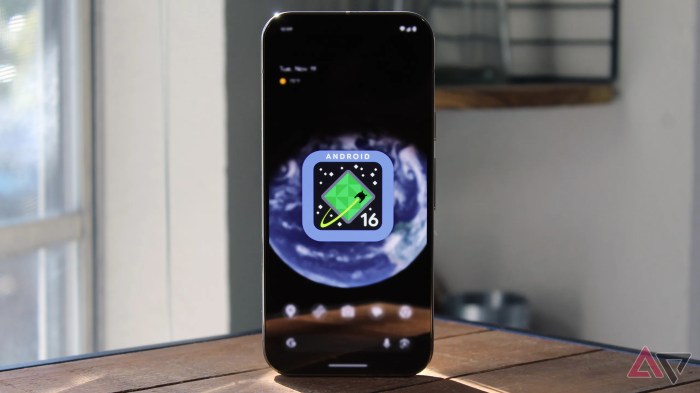
Switching to darkish mode in Android Snap, whereas visually interesting, is not only a easy beauty change. It introduces a brand new set of issues, significantly regarding how the appliance performs on a person’s gadget. Understanding these efficiency implications is essential for builders aiming to offer a clean and responsive person expertise, whatever the chosen theme.
Influence on Rendering and Useful resource Utilization
The transition to darkish mode essentially alters how the appliance’s person interface is rendered. As an alternative of the default vibrant background, darkish mode makes use of primarily darkish colours, which impacts each rendering processes and useful resource utilization. This will, in flip, have an effect on the general efficiency of the appliance.Let’s delve into the specifics:* Rendering Course of: Rendering includes the appliance drawing the UI components on the display.
When darkish mode is energetic, the system must render darker colours and guarantee correct distinction ratios. This will enhance the computational load on the gadget’s GPU, particularly if the UI accommodates advanced components like gradients, animations, or customized views.* Useful resource Utilization: Darkish mode influences useful resource utilization in a number of methods:
Reminiscence Consumption
Whereas typically darkish mode can scale back reminiscence utilization on OLED shows (by turning off pixels), it could possibly doubtlessly enhance reminiscence consumption in some eventualities. For instance, if the appliance makes use of giant, high-resolution photographs or advanced graphics, the system must allocate extra reminiscence to show them, particularly when mixed with animations.
CPU Utilization
The CPU is concerned in processing the information to be rendered by the GPU. Advanced UI components or frequent updates can enhance CPU utilization.
Battery Life
The first advantage of darkish mode is improved battery life on OLED shows. Since OLED shows solely mild up the required pixels, a darkish background can considerably scale back energy consumption. Nonetheless, the general battery influence can also be depending on the complexity of the UI and the way effectively the appliance is coded.
Illustrative Instance
Contemplate an Android Snap software that shows quite a few animated thumbnails of user-submitted pictures. In darkish mode, the appliance might want to course of and render these thumbnails with darkish backgrounds, doubtlessly growing CPU and GPU utilization in comparison with a light-weight mode the place the thumbnails might need a lighter background.
Information and Examples
In keeping with a research by Google, on common, darkish mode can save as much as 10% battery life on OLED shows. Nonetheless, this saving can range considerably relying on the gadget and utilization patterns. On gadgets with LCD screens, the battery financial savings are negligible.
Optimization Methods for Minimizing Efficiency Points
To mitigate potential efficiency bottlenecks, builders can implement varied optimization methods. These methods assist be certain that the Android Snap software stays responsive and environment friendly, even when working in darkish mode.This is a breakdown of efficient methods:* Environment friendly UI Design:
Cut back Overdraw
Overdraw happens when the identical pixel is drawn a number of instances in a single body. This may be diminished by simplifying UI layouts and avoiding overlapping views.
Optimize Animations
Use hardware-accelerated animations and hold animations clean. Keep away from advanced animations that may pressure the GPU.
Decrease Customized Views
Customized views may be resource-intensive. Use them judiciously and optimize their drawing logic.* Picture Optimization:
Use Acceptable Picture Codecs
Use optimized picture codecs like WebP for environment friendly picture loading and decoding. WebP can present superior compression in comparison with JPEG and PNG.
Resize Pictures
Load and show photographs on the applicable dimension. Keep away from loading giant, high-resolution photographs if they don’t seem to be wanted.
Cache Pictures
Implement picture caching to keep away from reloading photographs repeatedly.* Background Duties and Threading:
Offload Heavy Duties
Transfer computationally intensive duties (like picture processing or community requests) to background threads to keep away from blocking the primary UI thread.
Use `AsyncTask` or `Executor`
Make the most of Android’s threading mechanisms (e.g., `AsyncTask` or `Executor`) to handle background duties successfully.* Code Profiling and Testing:
Use Profiling Instruments
Make use of Android Studio’s profiling instruments (e.g., CPU Profiler, Reminiscence Profiler) to establish efficiency bottlenecks.
Take a look at on Varied Gadgets
Take a look at the appliance on a spread of gadgets, together with these with totally different display resolutions and {hardware} capabilities.
Efficiency Monitoring
Constantly monitor software efficiency metrics (e.g., body fee, reminiscence utilization) to establish and handle any efficiency regressions.* Implement Adaptive UI Parts:
Use Colour Sources
Outline coloration sources (e.g., `@coloration/background_color_dark`, `@coloration/text_color_dark`) and use them all through the appliance. This makes it simple to modify between mild and darkish modes with out altering the code considerably.
Make the most of Dynamic Theming
Implement dynamic theming to modify between mild and darkish themes seamlessly.
Optimize UI updates
Guarantee UI updates are environment friendly. Use methods like `invalidate()` to redraw solely the required components of the UI.* Particular Examples:
Overdraw Instance
Contemplate a UI with a number of overlapping `TextView` components. Every `TextView` would possibly draw its background and textual content, resulting in overdraw. To optimize, you could possibly merge these components or use a single `TextView` with styled textual content.
Picture Caching Instance
Implement a caching mechanism utilizing `Glide` or `Picasso` library. This fashion, when a person scrolls by a feed, photographs are loaded from the cache if they’ve already been downloaded, which reduces community requests and improves loading instances.
Threading Instance
In case your software downloads giant photographs, transfer this operation to a background thread utilizing `AsyncTask` or `Executor`. This retains the UI responsive and prevents the appliance from freezing.
Dynamic Theming Instance
Use the `AppCompatDelegate.setDefaultNightMode()` to set the app’s theme and alter between mild and darkish modes.* Key Consideration:
The secret’s to method darkish mode not simply as a visible change, however as a chance to optimize your software for higher efficiency and person expertise.
Future Developments and Traits
The world of Android darkish mode is way from static. As know-how evolves and person preferences shift, we will anticipate thrilling developments in how darkish mode is applied and skilled. The longer term guarantees a extra personalised, environment friendly, and visually interesting darkish mode expertise for Android customers.
Adaptive Darkish Mode
Adaptive darkish mode is poised to develop into a major pattern. It strikes past a easy toggle swap, providing a darkish mode that intelligently adjusts based mostly on varied elements.
- Time-based Activation: Darkish mode might robotically activate at sundown or based mostly on user-defined schedules, optimizing viewing consolation all through the day. This function is already current in some Android variations and apps, however anticipate additional refinement.
- Environmental Consciousness: Darkish mode might make the most of ambient mild sensors to dynamically modify the depth of the darkish theme. In a dimly lit atmosphere, the darkish theme would develop into extra pronounced, whereas in brighter settings, it might soften, preserving visibility with out being overly harsh.
- Contextual Darkish Mode: The system might study person habits and preferences, suggesting or robotically making use of darkish mode based mostly on the person’s location, the kind of app getting used, and even the content material being displayed. As an example, studying apps might default to darkish mode, whereas social media apps would possibly provide it as an non-compulsory setting.
Enhanced Customization
The way forward for darkish mode will emphasize person management and personalization.
- Theming Choices: Customers could acquire higher management over the colour palette inside darkish mode. As an alternative of being restricted to a single “darkish” theme, they could be capable of select from quite a lot of darkish shades, accent colours, and even create customized themes.
- Granular Management: Anticipate extra detailed settings, reminiscent of the power to use darkish mode selectively to particular apps or to override app-specific darkish mode settings.
- Font and UI Changes: Darkish mode would possibly incorporate superior options like automated font changes to optimize readability in darkish environments, or the power to switch the UI components.
Integration with Rising Applied sciences
Darkish mode will doubtless combine with rising applied sciences to reinforce the person expertise.
- AI-Powered Optimization: Synthetic intelligence might analyze person habits and preferences to tailor darkish mode settings. The AI might study which apps are used most regularly in darkish mode and robotically apply the theme, or it might recommend optimized settings based mostly on the person’s viewing habits.
- Seamless Cross-Platform Synchronization: Customers might synchronize their darkish mode preferences throughout a number of gadgets and platforms, making certain a constant expertise whether or not they’re utilizing an Android telephone, a pill, or a desktop pc.
- Integration with Accessibility Options: Darkish mode may very well be additional built-in with accessibility options, reminiscent of display readers and coloration distinction changes, to make the person interface extra accessible for customers with disabilities.
Developments in Show Know-how
Show know-how developments will even affect darkish mode design.
- Optimized for OLED Shows: As OLED shows develop into extra prevalent, darkish mode can be additional optimized to reap the benefits of their energy-saving capabilities. Anticipate deeper blacks and extra environment friendly energy consumption in apps designed for OLED screens.
- Variable Refresh Charges: Darkish mode may very well be designed to dynamically modify the refresh fee of the show, additional optimizing battery life and visible consolation, particularly in darkish environments.
- MicroLED Shows: MicroLED know-how, providing improved brightness, distinction, and power effectivity in comparison with OLED, will affect how darkish mode is applied. The darkish mode can be optimized to utilize the MicroLED know-how.
Evolving Consumer Wants
Darkish mode is repeatedly evolving to fulfill the altering wants of customers.
- Emphasis on Consumer Properly-being: Future iterations of darkish mode will doubtless deal with person well-being. This will likely contain options designed to cut back eye pressure, reminiscent of softer colours, diminished blue mild emission, and dynamic distinction changes.
- Give attention to Inclusivity: Builders will attempt to make darkish mode accessible to a wider viewers, together with customers with visible impairments. It will result in enhancements in distinction ratios, coloration decisions, and UI factor design.
- Prioritization of Battery Life: Battery life is a continuing concern for cellular customers. Darkish mode will proceed to evolve to maximise power financial savings, particularly on gadgets with OLED shows.
Illustrative Examples of Darkish Mode in Motion: Android Snap Darkish Mode
Alright, let’s dive into the visible transformation that darkish mode brings to Android Snap. It isn’t only a coloration swap; it is a full reimagining of the person interface, designed to be simpler on the eyes and, let’s be sincere, look extremely modern. We’ll break down the specifics, exhibiting you precisely how the whole lot adjustments once you flip that swap.
Android Snap Interface in Darkish Mode: Colour Scheme and Visible Hierarchy
The cornerstone of darkish mode’s attraction is its meticulously crafted coloration palette. It is a deliberate selection, not only a haphazard inversion.The first background coloration shifts from a vibrant white to a deep, near-black shade, usually a darkish grey or a really refined off-black. This offers the right backdrop for the remainder of the interface components. Secondary backgrounds, reminiscent of these utilized in chat bubbles or notification playing cards, is perhaps a barely lighter shade of grey, creating visible depth and hierarchy.
Textual content, then again, transitions from black or a darkish grey to a clear, crisp white or mild grey. This distinction is essential for readability, making certain that textual content pops in opposition to the darker background. Accent colours, like the enduring Snap yellow or another branding colours, stay vibrant, including bursts of power and guiding the person’s eye. The visible hierarchy is additional strengthened by refined use of shadows and gradients.
For instance, a card might need a really faint shadow to present the phantasm of depth, serving to it stand out from the background. The general impact is a clear, trendy, and extremely readable interface that feels each subtle and practical.
Look Adjustments of Interface Parts in Darkish Mode
Now, let’s get into the nitty-gritty of how the person components change their look. It is all about consistency and usefulness.* Textual content Fields: Textual content fields transition to a darkish background, usually with a refined border to outline their boundaries. The textual content coloration itself adjustments to a light-weight shade, making certain that the person can simply see what they’re typing.
Icons
Icons bear a refined however impactful transformation. They is perhaps recolored to higher distinction in opposition to the darkish background. As an example, a white icon is perhaps used on a darkish background. Some apps even adapt the icon design, choosing a simplified model to reinforce readability.
Buttons
Buttons typically undertake a contrasting coloration scheme to face out. The background of a button may very well be a lighter shade of grey or perhaps a major coloration, whereas the textual content on the button could be white or a light-weight coloration, clearly indicating its perform.
Standing Bar and Navigation Bar
These components adapt seamlessly to darkish mode. The standing bar, which shows the time, battery degree, and different system icons, sometimes adjustments to a darkish background, making certain a constant feel and appear. The navigation bar, if current, additionally switches to a darkish coloration.
Chat Bubbles
In a messaging app like Snap, chat bubbles bear a major change. Outgoing messages could seem in a barely lighter shade of grey, whereas incoming messages might have a darker background. The textual content coloration adjustments accordingly to keep up readability.
Detailed Textual Description of a Screenshot: Android Snap Interface in Darkish Mode
Think about a screenshot of the Android Snap app in darkish mode. The scene is dominated by a deep, charcoal grey background, creating a way of calm and class. On the high, the standing bar blends seamlessly with the background, displaying the time and battery icon in a clear, white coloration. The navigation bar on the backside additionally adopts a darkish hue.In the primary content material space, for instance a chat window, the dialog bubbles are clearly outlined.
Outgoing messages are housed in barely lighter grey bubbles, with white textual content, and a small, white checkmark to suggest supply. Incoming messages, then again, are in a barely darker grey, nonetheless with white textual content, creating a transparent visible distinction.The person interface components are rigorously crafted. The ship button, sometimes represented by a paper airplane icon, is rendered in white in opposition to a darker background.
The textual content enter discipline on the backside has a darkish background with a refined border and light-weight grey textual content, inviting the person to kind. The digicam icon and different choices, are all designed to be extremely seen. The complete interface is designed to make the person expertise visually interesting and practical. It is an atmosphere that is simple on the eyes, making it a pleasure to make use of.
