Welcome to the exciting world of the android smart home control panel, where technology seamlessly merges with everyday living! Imagine a single, intuitive interface that puts the power of your entire home at your fingertips. This isn’t just about turning lights on and off; it’s about crafting personalized environments, enhancing security, and optimizing energy efficiency, all through a sleek, user-friendly device. From the moment you wake up to the time you drift off to sleep, an Android-based control panel acts as your central command center, streamlining your interactions with your smart home ecosystem and transforming your house into a truly intelligent space.
The core of this system revolves around providing effortless control over your smart devices. This means being able to adjust thermostats, monitor security cameras, and even control your entertainment systems with simple taps and swipes. Think of it as the brain of your home, making your life easier, more secure, and more enjoyable. We’ll delve into the essential features, explore customization options, and unravel the hardware and software intricacies that make this technology so compelling.
Get ready to embark on a journey that will revolutionize how you experience your home.
Introduction to Android Smart Home Control Panels
Android smart home control panels serve as the central nervous system for your connected home. They offer a user-friendly interface to manage and monitor various smart devices, transforming your living space into a seamlessly integrated and responsive environment. These panels typically run on Android operating systems, leveraging the platform’s versatility and widespread availability to provide a comprehensive smart home management solution.
Overview of Functionality
Android smart home control panels provide a centralized hub for managing smart home devices. They allow users to control lights, thermostats, security systems, and other connected appliances from a single interface. This centralized control streamlines home automation, providing convenience and enhancing the overall user experience.
Core Benefits of Android-Based Control Panels
The advantages of utilizing an Android-based control panel in a smart home are numerous and impactful.
- Versatility and Customization: Android’s open-source nature allows for extensive customization, enabling users to tailor the interface and functionality to their specific needs. This adaptability is a significant advantage over proprietary systems.
- Wide App Ecosystem: Access to the Google Play Store grants users access to a vast library of smart home apps, providing compatibility with a wide range of devices and services. This expansive ecosystem ensures broad device support.
- User-Friendly Interface: Android’s intuitive interface makes it easy for users of all technical backgrounds to navigate and control their smart home devices. The touch-based interaction is natural and responsive.
- Cost-Effectiveness: Android-based solutions often offer a more affordable entry point into smart home automation compared to some proprietary systems, making smart home technology accessible to a wider audience.
- Remote Access and Control: Most Android smart home control panels offer remote access via a smartphone or tablet, allowing users to monitor and control their homes from anywhere with an internet connection. This feature enhances security and convenience.
User Experience with an Android Smart Home Control Panel
Interacting with an Android smart home control panel is designed to be a smooth and intuitive experience. The typical user journey involves easy navigation and responsive controls.
Consider a scenario where a user wants to adjust the thermostat. The process would likely involve:
- Accessing the Panel: The user unlocks the Android control panel, which could be a dedicated tablet or an existing Android device.
- Selecting the Thermostat: The user taps on the thermostat icon or tile within the control panel’s interface.
- Adjusting the Temperature: The user uses on-screen controls, such as sliders or buttons, to set the desired temperature.
- Confirmation: The system provides visual feedback, confirming the change has been applied.
This streamlined process allows for quick and efficient control of various smart home devices.
Example: A user is on their way home from work and, using their Android control panel app, pre-heats their oven and turns on the lights, ensuring a welcoming and prepared environment upon arrival.
Key Features and Capabilities

An Android smart home control panel is more than just a fancy gadget; it’s the central nervous system of your connected home. It should seamlessly integrate various devices and provide an intuitive, user-friendly experience. A well-designed panel empowers users to effortlessly manage and monitor their home’s functions from a single, centralized location. The essential features and the range of devices supported are crucial for a truly smart home experience.
Essential Features of an Effective Android Smart Home Control Panel
The core functionalities are what transform a basic control panel into a powerful tool. These features, when implemented correctly, contribute significantly to user satisfaction and the overall effectiveness of the smart home setup.
- Intuitive User Interface (UI): The interface should be clean, uncluttered, and easy to navigate. Large, clearly labeled icons, customizable dashboards, and logical groupings of devices are essential for ease of use, even for those less tech-savvy.
- Device Compatibility: Support for a wide range of smart home protocols and devices is crucial. This includes compatibility with popular standards like Wi-Fi, Bluetooth, Zigbee, and Z-Wave. The panel should also be able to integrate with various brands and manufacturers.
- Remote Access and Control: The ability to control devices remotely via a secure internet connection is a must-have. This allows users to manage their home from anywhere in the world, providing peace of mind and convenience.
- Automation and Scheduling: Setting up automated routines and schedules is a key benefit of a smart home. Users should be able to create custom rules to trigger actions based on time, location, sensor data, or other events.
- Voice Control Integration: Integration with voice assistants like Google Assistant and Amazon Alexa enhances the user experience, allowing for hands-free control of devices.
- Security and Privacy: Robust security measures, including encryption and secure authentication, are essential to protect user data and prevent unauthorized access. Regular security updates and privacy-focused design are also important.
- Notifications and Alerts: The panel should provide timely notifications and alerts about device status, security events, and other important information.
- Customization Options: Users should be able to personalize the interface to match their preferences, including choosing themes, widgets, and device groupings.
Smart Home Devices Controlled via an Android Panel
A comprehensive Android smart home control panel acts as a universal remote, capable of managing a wide array of devices. The breadth of device compatibility is a key factor in the panel’s overall value and utility. Here’s a glimpse into the diverse ecosystem of devices it can control:
- Lighting: Smart bulbs, light switches, and dimmers, allowing for remote control, scheduling, and scene creation. Imagine setting the mood for a movie night with a single tap.
- Climate Control: Smart thermostats that allow users to remotely adjust temperature settings, monitor energy usage, and automate climate control based on schedules or occupancy. This can lead to significant energy savings over time.
- Security Systems: Integration with smart locks, security cameras, door/window sensors, and alarm systems, providing remote monitoring, arming/disarming, and instant alerts.
- Entertainment Systems: Control of TVs, sound systems, streaming devices, and other entertainment components, streamlining the home entertainment experience.
- Appliances: Control of smart appliances such as refrigerators, ovens, washing machines, and dishwashers, offering remote operation and monitoring capabilities.
- Smart Plugs and Outlets: Control of any device plugged into a smart plug, enabling remote on/off control and energy monitoring.
- Blinds and Shades: Motorized blinds and shades that can be controlled remotely and scheduled to open and close at specific times.
- Irrigation Systems: Control of sprinklers and irrigation systems, allowing for remote operation and automated watering schedules.
Customization Options for Personalizing the Control Panel Interface
Personalization is the key to making a smart home truly feel like your own. A flexible control panel provides a tailored experience that fits individual needs and preferences. The ability to customize the interface transforms the panel from a generic tool into a personalized command center.
- Customizable Dashboards: Users should be able to create custom dashboards with widgets displaying the information most relevant to them, such as real-time energy usage, weather updates, or security system status.
- Theme Selection: Offering various themes and color schemes allows users to personalize the visual appearance of the control panel, matching their style and preferences.
- Icon Customization: The ability to customize device icons and labels makes it easier to identify and manage devices at a glance.
- Device Grouping and Organization: Users should be able to group devices by room, function, or any other logical category, simplifying control and management.
- Widget Support: Integration with widgets from various apps and services, such as weather updates, news feeds, and calendar events, enriches the user experience.
- Notification Customization: Users should be able to customize notification settings, choosing which events trigger notifications and how they are displayed.
Features and Descriptions Table
This table summarizes the essential features of an Android smart home control panel and provides brief descriptions of each. It serves as a quick reference guide for understanding the core capabilities.
| Feature | Description | Benefit | Example |
|---|---|---|---|
| Intuitive User Interface (UI) | Clean and easy-to-navigate interface with large icons and customizable dashboards. | Simplified device control and management. | Customizable home screen showing the status of lights, temperature, and security system. |
| Device Compatibility | Support for a wide range of smart home protocols and devices, including Wi-Fi, Bluetooth, Zigbee, and Z-Wave. | Seamless integration of various smart home devices from different brands. | Controlling smart lights from Philips Hue, a smart thermostat from Nest, and a smart lock from August, all from a single interface. |
| Remote Access and Control | Ability to control devices remotely via a secure internet connection. | Control your home from anywhere in the world. | Turning on the lights before arriving home from work or adjusting the thermostat while on vacation. |
| Automation and Scheduling | Create custom rules and schedules to automate device actions based on time, location, or sensor data. | Automated routines and energy savings. | Setting lights to turn on automatically at sunset or adjusting the thermostat based on occupancy. |
Hardware and Software Requirements
Setting up your Android smart home control panel is akin to assembling a high-performance race car. You need the right engine (hardware) and the perfect fuel (software) to achieve peak performance and seamlessly manage your smart home ecosystem. Let’s delve into the essential components needed to create a smooth and responsive experience.
Hardware Specifications for Optimal Performance
The hardware requirements for your Android control panel are directly proportional to the complexity of your smart home setup and the responsiveness you desire. Think of it as choosing the right tools for the job. A high-powered tablet ensures swift operation, while a lower-spec device might lead to lag and frustration.
- Processor: A multi-core processor is essential. Aim for at least a quad-core processor, with more cores being beneficial for handling multiple tasks simultaneously. Consider devices with processors from reputable manufacturers like Qualcomm (Snapdragon), MediaTek, or Samsung (Exynos).
- RAM (Random Access Memory): 4GB of RAM is the minimum recommended, with 6GB or 8GB providing a noticeably smoother experience, especially when running multiple apps and widgets concurrently. RAM determines how much data your device can access quickly.
- Storage: 32GB of internal storage is a reasonable starting point, but 64GB or more is highly recommended, especially if you plan to store media files or download numerous apps. This prevents running out of space and affecting performance.
- Display: A display with a resolution of at least 1280×800 pixels is acceptable, but a Full HD (1920×1080) or higher resolution offers a sharper and more visually appealing experience. The larger the screen size, the more information you can display without needing to scroll.
- Connectivity: Ensure the device has robust Wi-Fi (802.11ac or Wi-Fi 6) and Bluetooth capabilities for reliable communication with your smart home devices. Bluetooth is particularly important for connecting to certain smart home hubs and devices.
- Battery Life: Consider battery life, as the control panel will likely be running continuously. Look for devices with large battery capacities to minimize the need for frequent charging.
Software Requirements and Compatibility
The software side of your smart home control panel is equally important, dictating which smart home platforms you can integrate and how seamlessly they function.
- Android OS Version: Generally, you should aim for a device running Android 8.0 (Oreo) or later. The latest Android versions offer improved performance, security, and compatibility with the newest smart home platforms. Android 10 or later is recommended for the best experience.
- Smart Home Platform Compatibility: Ensure the Android device is compatible with your chosen smart home platform(s). This usually involves downloading the official app for each platform (e.g., Google Home, Samsung SmartThings, Amazon Alexa, Apple HomeKit).
- App Updates: Regularly update the Android OS and the smart home platform apps to benefit from bug fixes, performance improvements, and new features.
- Permissions: Grant the necessary permissions to the smart home apps for them to access and control your devices. Be mindful of the permissions you grant and only grant those required for the app’s functionality.
Recommended Tablets and Devices
Choosing the right device can significantly enhance your smart home control panel experience. Here are some recommended tablets and devices suitable for use:
- Samsung Galaxy Tab Series: Samsung tablets are known for their high-quality displays, powerful processors, and excellent support for the Android ecosystem. Models like the Galaxy Tab S series offer premium features.
- Google Pixel Tablet: The Pixel Tablet provides a clean Android experience with seamless integration with Google Assistant and other Google services.
- Amazon Fire HD Tablets: Amazon Fire tablets are a budget-friendly option, especially for users heavily invested in the Amazon ecosystem. They offer good performance for the price, but may not offer the same level of flexibility as other Android tablets.
- Lenovo Tab Series: Lenovo offers a range of Android tablets at various price points, providing a good balance of features and affordability.
- Older, Refurbished Android Phones or Tablets: Consider repurposing an older Android phone or tablet you might have. While it may not offer the latest features, it can still serve as a functional control panel, especially if it meets the minimum hardware requirements.
Dedicated Tablet vs. Repurposed Device: Advantages and Disadvantages
Deciding whether to use a dedicated tablet or repurpose an existing Android device is a crucial decision, each with its own set of trade-offs.
| Feature | Dedicated Tablet | Repurposed Device |
|---|---|---|
| Advantages |
|
|
| Disadvantages |
|
|
The best choice depends on your budget, existing hardware, and desired level of performance. If you prioritize a seamless and responsive experience, a dedicated tablet is generally the better option. If you’re on a tight budget or want to experiment before investing in a new device, repurposing an existing Android device can be a practical starting point. Remember that regardless of your choice, a well-configured Android control panel can dramatically simplify your smart home management, transforming your house into a truly intelligent space.
Integration with Smart Home Ecosystems
The beauty of an Android smart home control panel lies in its ability to act as a central hub, orchestrating a symphony of connected devices. This integration with established smart home ecosystems allows for seamless control and automation, transforming your home into a truly intelligent space. This section will delve into how these panels interact with popular platforms, the steps involved in connecting devices, and the underlying technologies that make it all possible.
Connecting and Configuring Devices
Setting up your smart home ecosystem is a bit like conducting an orchestra – each instrument (device) needs to be tuned and ready to play in harmony. This involves a few key steps to ensure your Android control panel can communicate effectively with your smart devices.To connect and configure devices, follow these general steps:
- Device Discovery: The control panel needs to find the devices. This usually involves using the smart home platform’s app or the control panel’s built-in discovery feature. Think of it as introducing yourself to the other devices in the network.
- Account Linking: Many devices require you to link your account with the respective platform (e.g., Google, Samsung, Apple). This is like providing the necessary credentials for access and control.
- Device Pairing: Devices often need to be paired with the control panel. This process varies depending on the device and platform, often involving pressing a button on the device or entering a code. It’s like forming a bond of trust.
- Configuration: Once connected, you can configure the device’s settings, such as naming it, assigning it to a room, and setting up automation rules. This is akin to assigning roles and responsibilities within the home.
- Testing: After configuration, test the device to ensure it’s working as expected. Verify that you can control it through the control panel. This is like a final rehearsal before the big performance.
APIs and Protocols for Device Compatibility
The magic behind smart home compatibility lies in the use of Application Programming Interfaces (APIs) and communication protocols. These are the secret languages that devices use to talk to each other and to your control panel.APIs provide a standardized way for different platforms and devices to exchange information. Protocols like Z-Wave and Zigbee are the backbone of device communication, acting as the foundation for the smart home network.* APIs: Imagine APIs as translators.
They allow different platforms like Google Home, Samsung SmartThings, and Apple HomeKit to understand each other, even if they use different internal systems. They facilitate the exchange of commands, status updates, and other crucial information.
Z-Wave
Z-Wave is a wireless communication protocol specifically designed for smart home devices. It excels in low-power consumption and is known for its strong security features. Devices using Z-Wave create a mesh network, meaning each device can relay signals, increasing the range and reliability of the system.
Zigbee
Zigbee is another popular wireless protocol, also optimized for low power. It’s often used in lighting, sensors, and other smart home devices. Like Z-Wave, Zigbee also utilizes a mesh network. Zigbee is a more open standard, and its implementation can vary between manufacturers.
“Without APIs and protocols, smart home devices would be islands, unable to communicate and collaborate.”
Compatible Ecosystems and Device Support
The table below illustrates the compatibility of Android control panels with various smart home ecosystems, along with examples of supported device types. Note that support and device availability can vary depending on the specific control panel app and the capabilities of the connected devices. This is just a representative overview.
| Ecosystem | Description | Examples of Supported Devices | Notable Features |
|---|---|---|---|
| Google Home | Google’s smart home platform, offering voice control via Google Assistant. | Smart lights (Philips Hue, LIFX), smart thermostats (Nest, ecobee), smart plugs (TP-Link Kasa), security cameras (Nest Cam) | Seamless integration with Google Assistant, routines for automation, centralized control of all Google-compatible devices. |
| Samsung SmartThings | Samsung’s smart home platform, supporting a wide range of devices and offering robust automation capabilities. | Smart locks (Yale, Schlage), smart sensors (Samsung SmartThings sensors), smart appliances (Samsung Family Hub refrigerators), smart lighting (Philips Hue, SmartThings branded lights) | Extensive device compatibility, advanced automation rules, integration with Samsung devices. |
| Apple HomeKit | Apple’s smart home platform, focusing on privacy and security, and offering voice control via Siri. | Smart lights (Philips Hue, LIFX), smart plugs (Eve, Wemo), smart thermostats (ecobee), smart locks (August) | Strong focus on privacy and security, Siri voice control, easy setup, and control from Apple devices. |
| Other Ecosystems (Examples) | Platforms such as IFTTT, Hubitat, and open-source solutions. | Varies depending on the specific platform and integrations available. | Flexibility in device compatibility, custom automation possibilities, and open-source control options. |
User Interface (UI) and User Experience (UX)
A smart home control panel’s success hinges significantly on its User Interface (UI) and User Experience (UX). A poorly designed interface can frustrate users, leading to abandonment of the system. Conversely, a well-crafted UI/UX makes the smart home intuitive, enjoyable, and seamlessly integrated into daily life. This section delves into the critical aspects of designing an Android control panel that prioritizes user-friendliness and efficiency.
Importance of a Well-Designed UI for a User-Friendly Experience
The UI acts as the primary gateway for users to interact with their smart home. A well-designed UI transcends mere aesthetics; it prioritizes usability, accessibility, and overall user satisfaction. It transforms complex technological functionalities into simple, understandable actions, making the smart home accessible to users of all technical backgrounds. The UI’s effectiveness directly impacts the user’s perception of the entire smart home system.
A clunky or confusing interface breeds frustration, while a clean, intuitive design fosters engagement and positive user experiences.
Intuitive UI Elements and Design Principles
Creating an intuitive UI involves adhering to established design principles and incorporating user-friendly elements. These elements guide users through the control panel with ease.
- Clear Visual Hierarchy: The arrangement of elements on the screen should guide the user’s eye, emphasizing the most important information and actions. This can be achieved through the use of size, color, and spacing. For instance, frequently used controls might be larger and more prominently placed than less-used ones.
- Consistency: Maintain a consistent design language throughout the app. This includes using the same fonts, button styles, and interaction patterns. Consistency reduces cognitive load and makes the app easier to learn and use.
- Feedback: Provide clear feedback to user actions. For example, when a user taps a button, it should visually change to indicate that the action has been registered. Progress indicators, loading animations, and confirmation messages are also crucial for providing feedback.
- Accessibility: Design the UI with accessibility in mind. This includes providing options for users with visual impairments, such as adjustable font sizes and high-contrast color modes. Ensure the app is navigable using screen readers and other assistive technologies.
- Gestures and Animations: Implement intuitive gestures and animations to enhance the user experience. Swiping, tapping, and dragging should trigger expected actions. Subtle animations can provide visual cues and make the app feel more responsive and engaging.
Organizing the Layout for Quick Access to Frequently Used Controls
Efficient layout organization is crucial for providing quick access to frequently used controls. The goal is to minimize the number of taps required to perform common tasks. Consider the following approaches:
- Customizable Dashboard: Allow users to personalize their home screen by adding and arranging widgets for their most-used devices and scenes. This gives them immediate access to the controls they use most often.
- Categorization: Group devices and controls by category (e.g., lighting, climate, security) to make them easier to find. Use clear and concise labels for each category.
- Contextual Menus: Implement contextual menus that appear when a user interacts with a specific device or area. These menus can provide quick access to relevant actions and settings.
- Search Functionality: Include a search bar to allow users to quickly find specific devices, scenes, or settings, especially in homes with numerous connected devices.
UI Design Examples for Managing Lighting, Security, and Climate Control
Effective UI design varies depending on the function. Here are detailed examples for lighting, security, and climate control:
- Lighting Control: The lighting control panel could feature a visually appealing layout.
- Individual Light Controls: Each light or light group could be represented by a circular button with an icon representing the light’s function (e.g., a lamp icon for a table lamp). Tapping the button would toggle the light on or off. Long-pressing the button could open a settings menu.
- Brightness Control: A slider control would allow users to adjust the brightness of the light. The slider could have a visual representation of the light’s brightness, with a corresponding color change to illustrate the effect.
- Color Temperature Control: A color wheel or a slider with pre-set color temperatures could allow users to adjust the color temperature of the lights.
- Scenes: A grid of pre-set scenes (e.g., “Movie Night,” “Reading,” “Relax”) would allow users to quickly activate pre-configured lighting settings.
- Security Control: A security control panel should prioritize clarity and ease of use, providing instant access to critical functions.
- Arm/Disarm: Large, clearly labeled buttons for arming and disarming the security system. These buttons could change color to indicate the system’s status (e.g., green for disarmed, red for armed).
- Camera Feeds: Live video feeds from security cameras, displayed in a grid or carousel format. Tapping a feed could expand it to full-screen view.
- Notifications: A clear display of recent events and notifications, such as door openings, motion detections, and alarm triggers.
- Emergency Contacts: Quick access to emergency contacts, with buttons for calling or sending text messages.
- Climate Control: Climate control UI should offer straightforward temperature management.
- Thermostat Display: A prominent display of the current temperature and the setpoint temperature.
- Temperature Adjustment: Up and down arrow buttons or a slider control to adjust the setpoint temperature.
- Mode Selection: Buttons or a drop-down menu to select the heating, cooling, or auto mode.
- Schedule Management: Access to a scheduling interface for setting temperature preferences at different times of the day or week.
- Zone Control: If the system supports multiple zones, a list or map view to control the temperature in each zone individually.
Security and Privacy Considerations: Android Smart Home Control Panel
The allure of a smart home, with its promise of seamless automation and effortless control, often overshadows a critical aspect: security and privacy. As we integrate more devices and sensitive data into our connected homes, understanding and addressing the inherent vulnerabilities becomes paramount. Ignoring these considerations opens the door to potential breaches, exposing personal information and jeopardizing the very convenience we seek.
Let’s delve into the crucial elements of securing your Android smart home control panel.
Security Risks Associated with Smart Home Devices and Control Panels
The interconnected nature of smart home systems presents a diverse range of security risks. These risks stem from the vulnerabilities of individual devices, the control panel itself, and the network that ties them together. Understanding these threats is the first step in mitigating them.The most common threats include:
- Unauthorized Access: Hackers can exploit weak passwords, default credentials, or software vulnerabilities to gain access to your control panel and, consequently, your entire smart home ecosystem. This could allow them to remotely control your devices, such as unlocking doors, adjusting thermostats, or accessing your security cameras.
- Data Breaches: Smart home devices collect various data points, including usage patterns, personal preferences, and even audio or video recordings. If this data is not properly secured, it can be vulnerable to breaches, leading to identity theft, privacy violations, or even blackmail.
- Malware Infections: Smart home devices, particularly those running on older or less secure operating systems, can be susceptible to malware infections. This malware can be used to control your devices, steal data, or even launch attacks against other devices on your network.
- Denial-of-Service (DoS) Attacks: Hackers can launch DoS attacks to overwhelm your smart home control panel or network, rendering your devices unresponsive. This can disrupt your smart home functionality and potentially compromise your security.
- Man-in-the-Middle (MitM) Attacks: Attackers can intercept the communication between your smart home devices and the control panel, allowing them to eavesdrop on your data, manipulate commands, or steal credentials. This can be achieved by exploiting vulnerabilities in your Wi-Fi network or through compromised devices.
- Physical Security Risks: While often overlooked, physical access to your control panel or smart home devices can pose a security risk. If an attacker can physically access your control panel, they can potentially disable your security systems or gain access to your network.
Security Measures to Protect User Data and Privacy
Protecting user data and privacy requires a multi-layered approach that encompasses various security measures. Implementing these measures is crucial to minimize the risk of unauthorized access and data breaches.Here are essential security measures:
- Strong Password Policies: Enforce strong password requirements for your control panel and all connected devices. Use a combination of uppercase and lowercase letters, numbers, and symbols. Regularly change your passwords and avoid using the same password for multiple accounts.
- Two-Factor Authentication (2FA): Enable 2FA on your control panel and all accounts that support it. This adds an extra layer of security by requiring a verification code, usually sent to your phone, in addition to your password.
- Regular Software Updates: Keep your control panel, devices, and all associated software up-to-date. Software updates often include security patches that address known vulnerabilities. Enable automatic updates whenever possible.
- Network Segmentation: Create a separate network for your smart home devices to isolate them from your other devices, such as your computers and smartphones. This limits the potential damage if one of your smart home devices is compromised.
- Firewall Protection: Use a firewall to monitor and control network traffic, blocking unauthorized access to your control panel and devices. Most routers have built-in firewalls, but you can also install a dedicated firewall for enhanced security.
- Encryption: Encrypt all data transmitted between your smart home devices and the control panel. This protects your data from being intercepted and read by unauthorized parties. Ensure your devices and control panel support and use secure communication protocols, such as HTTPS and TLS.
- Regular Security Audits: Conduct regular security audits of your smart home system to identify vulnerabilities and ensure that your security measures are effective. Consider hiring a security professional to perform these audits.
- Review Device Permissions: Carefully review the permissions requested by your smart home devices and control panel apps. Only grant the necessary permissions and be wary of apps that request excessive access to your data.
- Monitor Network Traffic: Monitor your network traffic for suspicious activity. Look for unusual network connections or data transfers that could indicate a security breach.
- Educate Yourself: Stay informed about the latest security threats and best practices. Learn about the vulnerabilities of smart home devices and how to protect yourself.
Importance of Secure Authentication and Encryption Methods
Secure authentication and encryption are the cornerstones of a robust smart home security system. They work together to protect your data and prevent unauthorized access.Secure authentication ensures that only authorized users can access your control panel and smart home devices. This typically involves using strong passwords, 2FA, or biometric authentication methods.Encryption scrambles your data, making it unreadable to anyone who intercepts it.
This protects your data from being compromised, even if your network or devices are breached. Encryption methods, such as AES (Advanced Encryption Standard), are commonly used to secure data at rest and in transit. Secure communication protocols, such as HTTPS and TLS, encrypt data transmitted over the internet.Consider this: Imagine a locked vault (secure authentication) containing a confidential document (user data).
The document itself is written in a secret code (encryption). Even if someone breaks into the vault (bypasses authentication), they cannot read the document without the key to decrypt it.
Best Practices for Securing an Android Smart Home Control Panel
Securing your Android smart home control panel involves a combination of hardware and software security measures, as well as good security hygiene practices.Here’s a list of best practices:
- Choose a Secure Control Panel: Select a reputable Android smart home control panel with a strong security track record. Research the manufacturer’s security practices and read reviews from other users.
- Use a Strong Password and 2FA: Create a strong password for your control panel account and enable 2FA whenever possible.
- Keep Your Android Device Updated: Regularly update your Android device’s operating system and security patches to address known vulnerabilities.
- Install Security Software: Install a reputable antivirus and anti-malware app on your Android device to protect it from malware infections.
- Secure Your Wi-Fi Network: Use a strong password for your Wi-Fi network and enable WPA3 encryption. Consider using a guest network for your smart home devices to isolate them from your primary network.
- Review App Permissions: Carefully review the permissions requested by your smart home control panel app and other smart home apps. Only grant the necessary permissions.
- Disable Unused Features: Disable any features on your control panel that you don’t need, as they could potentially introduce security vulnerabilities.
- Monitor Your Network Traffic: Use a network monitoring tool to monitor your network traffic for suspicious activity.
- Regularly Back Up Your Data: Back up your smart home configuration data to a secure location in case of a security breach or device failure.
- Stay Informed: Stay up-to-date on the latest security threats and best practices for securing your Android smart home control panel.
Installation and Setup
Setting up your Android smart home control panel is like preparing a delicious meal: a little planning, the right ingredients (devices), and following the recipe (steps) will lead to a delightful outcome. This section guides you through the entire process, ensuring a smooth and successful integration of your smart home devices.
Step-by-Step Installation Guide
Before diving in, remember to have your Android device, home network credentials (Wi-Fi password), and the smart home devices you wish to control readily available. The installation process generally involves downloading an application, connecting to your home network, and then adding your smart home devices.
- Download and Install the Application: The first step is to locate and download the control panel application from the Google Play Store. Search for your preferred smart home platform’s app (e.g., Samsung SmartThings, Google Home, or a manufacturer-specific app). Install the app on your Android device.
- Create an Account or Log In: Open the installed application. If you’re a new user, you’ll need to create an account. Existing users should log in using their credentials. This account will serve as your central hub for managing all your smart home devices.
- Connect to Your Home Network: The app will likely prompt you to connect to your home Wi-Fi network. Enter your network’s password when prompted. This connection is crucial, as it allows your control panel to communicate with your smart home devices.
- Add Smart Home Devices: Now for the fun part! The app will guide you through the process of adding your smart home devices. This usually involves selecting the device type (e.g., light bulb, thermostat, smart plug) and following the on-screen instructions, which often involve scanning a QR code on the device or entering a unique serial number.
- Configure and Customize: Once your devices are added, you can configure them to your liking. This might include renaming devices, setting up schedules, creating scenes (pre-set actions for multiple devices), and adjusting settings like brightness or temperature.
- Test and Troubleshoot: After completing the setup, test your devices to ensure they are functioning correctly. If you encounter any issues, refer to the app’s troubleshooting guide or the device’s manual. Common problems include connectivity issues, incorrect device pairing, or outdated firmware.
Connecting to a Home Network, Android smart home control panel
Establishing a stable connection to your home network is the backbone of your smart home experience. Without it, your control panel can’t communicate with and control your devices. This involves ensuring your Android device is connected to your Wi-Fi network and that the control panel app has the necessary permissions.
- Wi-Fi Connection: Verify your Android device is connected to your home Wi-Fi network. You can do this by checking the Wi-Fi icon in your device’s notification bar or within the device’s settings.
- Network Credentials: Make sure you have your Wi-Fi network’s password readily available. You’ll need this to connect your control panel to your network.
- App Permissions: Ensure the control panel app has the necessary permissions to access your Wi-Fi network. This is usually granted during the app installation or setup process.
- Router Compatibility: Most modern routers are compatible with smart home devices. However, if you’re using an older router, you may need to check its compatibility with your smart home devices. In some cases, updating your router’s firmware might be necessary.
- Network Stability: A stable Wi-Fi connection is crucial. Consider the location of your router and the placement of your Android device. Walls and other obstructions can sometimes interfere with the Wi-Fi signal. If you’re experiencing connectivity issues, try moving your device closer to the router or using a Wi-Fi extender.
Adding and Configuring Smart Home Devices
Adding and configuring your smart home devices is where the magic truly happens. Each device will have its own setup procedure, but the general steps remain consistent. This section breaks down the process, ensuring you can seamlessly integrate your devices into your control panel.
- Device Compatibility: Before adding any device, confirm it is compatible with your chosen smart home platform. Most platforms support a wide range of devices, but it’s always wise to check.
- Device Setup Mode: Most smart home devices require you to put them into a “setup mode” or “pairing mode.” This is usually done by pressing a button on the device or by following specific instructions in the device’s manual.
- Device Discovery: Within the control panel app, initiate the device discovery process. The app will search for available devices within range.
- Device Pairing: Once the app discovers your device, follow the on-screen prompts to pair it with your control panel. This might involve entering a PIN, scanning a QR code, or simply confirming the device’s presence.
- Device Configuration: After pairing, you’ll be able to configure your device. This involves giving it a name, assigning it to a room, and adjusting its settings.
- Testing and Fine-Tuning: After configuration, test the device to ensure it’s working correctly. Make any necessary adjustments to optimize its performance.
Setup Process Example:
Let’s say you’re adding a smart light bulb to your Google Home control panel:
- Ensure the light bulb is screwed into a lamp or light fixture and powered on.
- Open the Google Home app on your Android device.
- Tap the “+” icon in the top left corner to “Add a device.”
- Select “Set up device” and then choose “New device.”
- The app will scan for nearby devices. If the light bulb is compatible, it will be detected.
- Follow the on-screen instructions to connect the light bulb to your Wi-Fi network.
- Give the light bulb a name (e.g., “Living Room Lamp”) and assign it to a room.
- Test the light bulb by turning it on and off and adjusting its brightness.
Customization and Advanced Features

Alright, let’s dive into the fun stuff! We’re talking about making your Android smart home control panel trulyyours*. It’s like having a digital butler, but you get to design its personality. From personalizing the look and feel to automating your entire life (almost!), the possibilities are vast. This section will guide you through the process of tailoring your control panel to fit your unique lifestyle.
Customizing the Control Panel
Your control panel should reflect your personal preferences and needs. It’s not just about functionality; it’s about creating an intuitive and aesthetically pleasing experience. Customization is the key to unlocking the full potential of your smart home.
- Layout and Organization: Most control panels allow you to rearrange device icons, group them by room or function, and even customize the background. Consider the rooms you use most frequently and prioritize those devices on your home screen. For instance, if your living room is your primary entertainment hub, ensure your TV, sound system, and lighting controls are readily accessible.
- Themes and Appearance: Change the color scheme, font sizes, and overall visual style to match your taste. Some panels offer light and dark modes, which can be adjusted based on the time of day or your preference.
- Widgets and Shortcuts: Add widgets for quick access to frequently used controls, such as turning off all lights or arming your security system. Create shortcuts for specific scenes or automations.
- Notification Settings: Fine-tune which notifications you receive and how they’re displayed. This ensures you’re only alerted to important events, preventing notification overload.
- User Profiles: If multiple people use the control panel, create individual profiles with customized settings and access permissions. This allows each person to tailor the experience to their needs.
Creating Custom Scenes and Automations
Automations and scenes are where the magic happens. Imagine walking into your home, and the lights automatically adjust to a warm glow, your favorite music starts playing, and the thermostat sets to a comfortable temperature – all without you lifting a finger. That’s the power of automation.To create custom scenes and automations, you’ll generally follow these steps:
- Scene Creation: A scene is a pre-defined group of actions that are triggered simultaneously. For example, a “Movie Night” scene might dim the lights, close the blinds, and turn on the TV.
- Automation Creation: An automation is a set of actions triggered by a specific event or condition. For example, you can set an automation to turn on the porch light at sunset or lock the doors when you leave home.
- Device Selection: Choose the devices you want to include in your scene or automation.
- Action Definition: Specify the actions for each device. For example, set the light brightness, select a specific TV input, or adjust the thermostat temperature.
- Trigger Setup (for Automations): Define the trigger that will activate the automation. This could be a time of day, a sensor event (like motion detection), or a device state change (like the door being unlocked).
- Testing and Refinement: Always test your scenes and automations to ensure they function as intended. Make adjustments as needed to optimize the performance.
“Automation is not just about convenience; it’s about creating a smarter, more efficient, and more personalized living experience.”
Advanced Features: Voice Control and Remote Access
Embracing advanced features like voice control and remote access elevates the convenience and functionality of your smart home. These capabilities provide added layers of control and peace of mind.
- Voice Control Integration: Integrate your control panel with voice assistants like Google Assistant or Amazon Alexa. This allows you to control your devices with simple voice commands. For example, you could say, “Hey Google, turn on the living room lights,” or “Alexa, set the thermostat to 72 degrees.” The integration process typically involves linking your smart home account with the voice assistant app.
- Remote Access: Access and control your smart home devices from anywhere in the world using your smartphone or tablet. This feature is invaluable for monitoring your home’s security, adjusting settings while you’re away, and ensuring everything is running smoothly. Remote access is usually provided through the control panel’s app or a dedicated cloud service.
- Geofencing: Geofencing allows you to automate actions based on your location. For example, you could set up geofencing to automatically unlock your door when you arrive home or turn off the lights when you leave.
- Scenario: Imagine you’re on vacation and receive a notification that a water leak sensor has been triggered. With remote access, you can immediately shut off the water supply remotely, preventing significant damage to your home.
Integrating Third-Party Apps and Services
Expanding the capabilities of your control panel through third-party integrations can greatly enhance its functionality. These integrations allow you to connect with other services and devices, creating a more cohesive and powerful smart home ecosystem.
- IFTTT (If This Then That): IFTTT is a powerful platform that allows you to create custom applets that connect various services and devices. For example, you could create an applet to automatically turn on your lights when a new email arrives from a specific sender or trigger your smart thermostat to adjust the temperature based on the weather forecast.
- Smart Speaker Integration: Integrate with smart speakers from companies like Sonos, Bose, or Apple to create a multi-room audio system. You can control your music playback, adjust volume levels, and create custom playlists directly from your control panel.
- Security System Integration: Connect your control panel with security systems like Ring, ADT, or SimpliSafe to monitor your home’s security, view live camera feeds, and receive alerts about security events.
- Smart Appliance Integration: Integrate with smart appliances like washing machines, dryers, and refrigerators to monitor their status, receive notifications when cycles are complete, and control their functions remotely.
- Cloud Services Integration: Integrate with cloud services like Dropbox or Google Drive to back up your smart home data, such as camera recordings or sensor readings.
Troubleshooting and Maintenance
Let’s face it, even the smartest of smart home control panels can sometimes throw a digital tantrum. But fear not! This section is your survival guide, equipping you with the knowledge to diagnose, debug, and keep your Android smart home control panel running like a well-oiled (digital) machine. We’ll delve into common issues, offer practical solutions, and Artikel the maintenance you need to keep things humming smoothly.
Think of it as your panel’s personal health checkup.
Common Problems Users Encounter
It’s an unfortunate truth that tech sometimes misbehaves. Understanding the usual suspects can save you a lot of head-scratching. Here’s a rundown of the gremlins that often plague smart home control panels:
- Device Connectivity Issues: This is the most common culprit. Your panel might lose contact with your smart devices (lights, thermostats, etc.). This can manifest as devices not responding to commands or appearing “offline.”
- Software Update Problems: Updates, while designed to improve things, can sometimes cause glitches or compatibility issues. The panel might fail to update, or the update might introduce new bugs.
- Performance Degradation: Over time, the panel might slow down, freeze, or become unresponsive. This can be due to accumulated data, resource-intensive apps, or other factors.
- UI/UX Glitches: The user interface might display incorrectly, buttons might not work as expected, or the overall user experience might become clunky.
- Network Connectivity Problems: The panel’s connection to your home network (Wi-Fi or Ethernet) could be unstable, preventing it from communicating with the internet and your smart devices.
- Power Issues: The panel might experience power outages or become unresponsive due to power supply problems.
- Compatibility Issues: Sometimes, a new smart device might not be compatible with your control panel or its software, leading to integration problems.
Troubleshooting and Resolution
When things go awry, a systematic approach is key. Here’s a breakdown of how to tackle common issues:
- Device Connectivity:
- Check the basics: Ensure the smart device is powered on and connected to the network. Sometimes, the simplest solutions are the best.
- Restart the device and the control panel: A simple reboot can often resolve temporary glitches.
- Verify network connectivity: Check your Wi-Fi or Ethernet connection on both the control panel and the smart device. Are they on the same network? Is the signal strength adequate?
- Check for interference: Obstacles like thick walls or other electronic devices can interfere with Wi-Fi signals. Try moving the panel or the smart device closer to the router.
- Re-pair the device: Sometimes, the connection needs to be re-established. Consult the device’s manual for pairing instructions.
- Update firmware: Ensure both the smart device and the control panel are running the latest firmware. Manufacturers often release updates to fix connectivity issues.
- Software Updates:
- Check for updates: Regularly check for software updates within the control panel’s settings.
- Back up your data: Before updating, back up your settings and data to prevent data loss.
- Follow the installation instructions: Pay close attention to any prompts or instructions during the update process.
- Troubleshoot failed updates: If an update fails, try restarting the panel and retrying the update. Check your internet connection. Consult the manufacturer’s support documentation.
- Rollback to a previous version (if possible): If the update introduces significant problems, consider reverting to the previous software version (if the option is available).
- Performance Issues:
- Close unused apps: Running too many apps simultaneously can drain resources. Close any apps you’re not actively using.
- Clear cache and data: Regularly clear the cache and data of the control panel app to free up storage space and improve performance.
- Update the operating system: Make sure the Android operating system on your panel is up-to-date.
- Free up storage space: Insufficient storage can slow down performance. Delete unnecessary files and apps. Consider using an SD card for extra storage.
- Restart the panel: A simple reboot can often resolve temporary performance issues.
- Factory reset (as a last resort): If all else fails, consider a factory reset. This will erase all data on the panel, so back up your data first.
- UI/UX Glitches:
- Restart the app: Close and reopen the control panel app.
- Update the app: Ensure you’re running the latest version of the control panel app.
- Clear cache and data: Clearing the app’s cache and data can sometimes resolve UI glitches.
- Check for app-specific settings: Review the app’s settings for any options that might affect the UI or user experience.
- Contact the developer: If the problem persists, report the issue to the app developer.
Maintenance Procedures
Regular maintenance is like giving your control panel a spa day, keeping it in tip-top shape. Here’s a maintenance checklist:
- Regular Software Updates: Stay on top of software updates for the control panel, the operating system, and the control panel app. These updates often include bug fixes, security patches, and performance improvements.
- Network Connectivity Checks: Regularly check your Wi-Fi or Ethernet connection to ensure a stable connection. A weak or unstable connection can cause various problems.
- Storage Management: Monitor the panel’s storage space. Delete unnecessary files, apps, and media to prevent performance degradation. Consider using an SD card for extra storage if your panel supports it.
- App Maintenance: Regularly close unused apps to free up system resources. Clear the cache and data of the control panel app to improve performance and resolve potential glitches.
- Security Checks: Ensure your control panel is protected with a strong password. Regularly review the security settings and consider enabling two-factor authentication if available.
- Power Supply Inspection: Check the power supply and cables for any signs of damage or wear. Replace any damaged components immediately. Consider using a surge protector to protect your panel from power surges.
- Physical Cleaning: Gently clean the panel’s screen and housing with a soft, dry cloth. Avoid using harsh chemicals or abrasive cleaners.
- Backup Strategy: Regularly back up your settings and data. This ensures that you can restore your system in case of a failure or data loss.
Frequently Asked Questions (FAQs)
Here are some common questions and their answers to provide you with quick solutions:
- My smart devices aren’t responding. What should I do?
- First, check the basics: Are the devices powered on and connected to your network? Restart the devices and the control panel. If the problem persists, check your network connection and re-pair the devices.
- The control panel is running slowly. How can I improve its performance?
- Close unused apps, clear the cache and data of the control panel app, and free up storage space. Restart the panel. Update the operating system.
- How do I update the control panel’s software?
- Go to the control panel’s settings and look for a “Software Update” or “System Update” option. Follow the on-screen instructions. Back up your data before updating.
- I’ve forgotten my password. How do I reset it?
- Most control panels have a “Forgot Password” option. Follow the instructions to reset your password, usually by verifying your email address or security questions.
- How do I connect a new smart device to my control panel?
- Consult the device’s manual for pairing instructions. Usually, you’ll need to put the device into pairing mode and then add it to your control panel app, often by scanning a QR code or selecting the device from a list.
- My control panel keeps losing connection to the internet. What’s wrong?
- Check your Wi-Fi or Ethernet connection. Ensure your router is working correctly. Consider moving the control panel closer to the router or using a Wi-Fi extender.
- What should I do if my control panel is unresponsive?
- Try restarting the panel. If that doesn’t work, try a factory reset (but back up your data first).
- How often should I back up my control panel’s data?
- Back up your data regularly, ideally at least once a month or whenever you make significant changes to your smart home setup.
- Is there a way to prevent power outages from affecting my control panel?
- Consider using an uninterruptible power supply (UPS) to provide backup power in case of an outage.
Future Trends and Developments
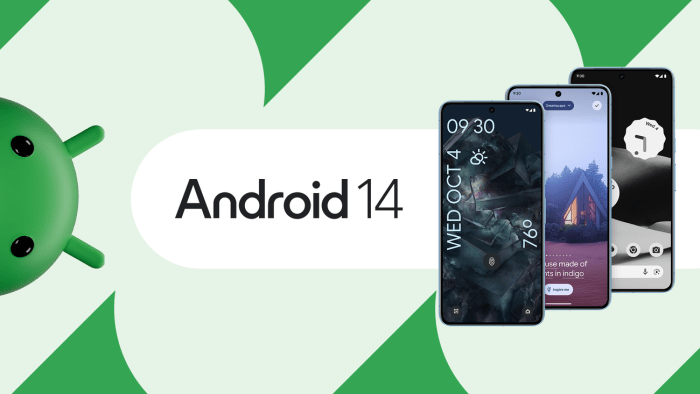
The smart home landscape is evolving at warp speed, and Android control panels are poised to ride this wave of innovation. As technology leaps forward, we can expect a plethora of changes that will reshape how we interact with our homes. From enhanced intelligence to seamless integration, the future promises a smarter, more intuitive, and ultimately, more enjoyable living experience.
Emerging Trends in Smart Home Technology
Several key trends are already taking shape, and these will undoubtedly influence the evolution of Android smart home control panels. These trends are not just buzzwords; they represent tangible shifts in how we live and interact with technology in our homes.
- Hyper-Personalization: Homes will learn and adapt to individual preferences. Imagine your control panel automatically adjusting lighting, temperature, and even music based on your location in the house, your schedule, or even your mood. This is beyond simple automation; it’s about anticipating your needs.
- Seamless Interoperability: The days of fragmented smart home ecosystems are numbered. Expect greater compatibility between devices from different manufacturers, facilitated by open standards like Matter. This means your Android control panel can seamlessly manage devices from any brand, simplifying setup and control.
- Proactive Security: Security will shift from reactive to proactive. Control panels will incorporate advanced threat detection, identifying and mitigating potential risks before they become problems. This includes features like biometric authentication, anomaly detection, and real-time security alerts.
- Edge Computing: Processing power will move closer to the devices themselves. Instead of relying solely on cloud servers, smart home devices will increasingly perform tasks locally, leading to faster response times, improved privacy, and reduced reliance on internet connectivity.
- Sustainable Smart Homes: Energy efficiency will be a major focus. Control panels will provide detailed energy consumption data, allowing users to optimize their usage and reduce their carbon footprint. This includes features like smart thermostats, automated lighting control, and integration with renewable energy sources.
New Features and Functionalities for Future Control Panels
As these trends take hold, we can anticipate a wealth of new features and functionalities that will enhance the capabilities of Android smart home control panels. These additions will transform the control panel from a simple interface into a central hub for a truly intelligent home.
- Predictive Maintenance: Control panels could analyze device performance data to predict potential failures. Imagine your control panel alerting you to a failing HVAC filter or a malfunctioning appliance before it breaks down, saving you time and money.
- Contextual Awareness: Control panels will become even more aware of their surroundings. This includes integrating data from weather services, traffic reports, and even social media to proactively adjust your home environment. For instance, the control panel could automatically close your blinds on a sunny afternoon or adjust the thermostat based on the expected arrival time of your guests.
- Advanced Voice Control: Voice assistants will become even more integrated, offering natural language processing and advanced command recognition. This means you can control your entire home with your voice, even using complex and nuanced commands.
- Augmented Reality (AR) Integration: AR could be used to visualize your smart home environment, allowing you to control devices directly from your phone’s camera view. You could point your phone at a light fixture and adjust its brightness, or tap on a virtual thermostat to change the temperature.
- Biometric Integration: Facial recognition and fingerprint scanning could be used for access control, personalizing settings, and enhancing security.
The Role of Artificial Intelligence (AI) and Machine Learning (ML)
AI and ML are the engines driving many of these advancements, playing a crucial role in transforming the smart home experience. These technologies are no longer futuristic concepts; they are already making a significant impact, and their influence will only grow stronger.
- Personalized Recommendations: ML algorithms can analyze your usage patterns to provide personalized recommendations for smart home settings and devices. For example, the control panel might suggest a new lighting scene based on your favorite activities or recommend a smart appliance that aligns with your lifestyle.
- Intelligent Automation: AI can learn from your behavior and automate tasks without requiring explicit programming. The control panel can automatically adjust your home’s settings based on your daily routine, even if that routine changes.
- Enhanced Security: AI can detect anomalies in network traffic and device behavior to identify potential security threats. This proactive approach to security is essential for protecting your smart home from cyberattacks.
- Energy Optimization: ML algorithms can analyze energy consumption data to optimize your home’s energy usage, helping you save money and reduce your environmental impact.
- Natural Language Understanding (NLU): AI-powered NLU enables more intuitive voice control, allowing you to interact with your smart home using natural language commands.
Potential Advancements in Android Smart Home Control Panels
The future of Android smart home control panels is bright, with several exciting advancements on the horizon. These advancements promise to make our homes even smarter, more intuitive, and more enjoyable to live in.
- Modular Design: Control panels could become modular, allowing users to customize their functionality by adding or removing features as needed. This could include specialized modules for security, entertainment, or energy management.
- Dynamic User Interfaces: The UI could adapt to the user’s needs and preferences, displaying only the most relevant information and controls. This could involve AI-powered personalization and adaptive layouts.
- Holographic Displays: Imagine interacting with a holographic control panel that projects controls and information into the air. This could offer a more immersive and intuitive user experience.
- Seamless Integration with Wearable Devices: Smartwatches and other wearable devices could become integral parts of the control panel experience, allowing you to control your home from your wrist.
- Decentralized Control: Control panels could leverage blockchain technology to create a more secure and decentralized control system, reducing the risk of single points of failure.
