Ipod app on android – Ever felt a pang of nostalgia for the long-lasting iPod, with its click on wheel and modern design? Nicely, you are not alone! The attract of the iPod, a tool that revolutionized how we take heed to music, nonetheless lingers. The considered bringing that beloved expertise to your Android system, which you would possibly use every day, is a really tempting prospect.
We will dive deep into how one can probably take pleasure in an iPod-like expertise in your Android telephone or pill. From the historic journey of the iPod and its software program to the variations between the iPod and Android ecosystems, we’ll uncover the secrets and techniques to bridging the hole between these two worlds.
This is not nearly technicalities; it is about rekindling the enjoyment of music by way of your telephone. Think about rediscovering the simplicity of the iPod interface, with its intuitive navigation and focus in your music assortment. We’ll discover numerous strategies, from music gamers that seize the essence of the iPod to emulators that help you run iPod apps immediately. We’ll evaluate apps, delve into emulation, and even take a look at how one can customise your expertise.
So, get able to embark on a journey that can breathe new life into your music listening in your Android system!
Introduction: The Idea of an iPod App on Android
Think about, for a second, the nostalgia that floods again when you consider your first iPod. That modern, white system, the clicking of the scroll wheel, the meticulously curated playlists – it was greater than only a music participant; it was a cultural icon. Now, image bringing that have, that acquainted interface, to your Android telephone. That is the core idea behind an iPod app on Android: bridging the hole between two distinct technological worlds.
Consumer’s Potential Curiosity, Ipod app on android
The attract of an iPod app on Android stems from a number of key elements. Many customers harbor a passion for the iPod’s simplicity and user-friendly design. Others may need intensive music libraries fastidiously organized inside iTunes, a platform that, whereas fading in recognition, nonetheless holds a wealth of music for a lot of. The will to recreate a cherished expertise, to entry a well-recognized interface on a contemporary system, and to probably bypass the complexities of different music gamers are all driving forces behind this curiosity.
Moreover, for some, it is concerning the pure novelty of it – the surprising fusion of Apple’s legacy with the open-source nature of Android.
Transient Historical past of the iPod and Its Software program
The iPod, launched by Apple in 2001, revolutionized the best way folks listened to music. Its preliminary software program, designed across the iconic click on wheel, supplied a clear and intuitive consumer expertise. Subsequent generations introduced touchscreens, video playback, and integration with the iTunes Retailer, which grew to become a dominant power in digital music gross sales. The iPod’s software program advanced with every iteration, including options like podcasts, audiobooks, and enhanced organizational instruments.
Initially, the software program was proprietary to Apple’s units, deeply built-in with their {hardware} and ecosystem. Over time, whereas the {hardware} advanced and diversified (iPod mini, iPod shuffle, iPod nano, iPod contact), the core software program expertise remained constant, prioritizing ease of use and a seamless consumer expertise.
Variations Between the iPod Ecosystem and the Android Ecosystem
The distinction between the iPod and Android ecosystems is stark. Apple’s iPod was a closed system, tightly managed by the corporate, with all {hardware} and software program designed and manufactured in-house. This allowed for seamless integration and a constant consumer expertise throughout units. Android, in distinction, is an open-source working system developed by Google, permitting for an unlimited array of {hardware} producers and system variations.
This openness offers better flexibility and customization choices however also can result in fragmentation and inconsistencies within the consumer expertise.The important thing variations are:
- {Hardware} and Software program Integration: Apple managed each the {hardware} and software program, resulting in optimized efficiency and a unified expertise. Android is open-source, permitting numerous producers to create their units with their customized software program interfaces.
- Ecosystem Management: Apple’s ecosystem, constructed round iTunes and the App Retailer, was tightly managed. Android, with Google Play, presents a extra open market.
- Customization: iPods supplied restricted customization. Android permits intensive customization of the consumer interface and system conduct.
- File Administration: iPods closely relied on iTunes for file administration. Android presents versatile file administration choices, permitting customers to pull and drop information immediately.
The basic distinction lies within the philosophy: Apple prioritizes a curated, managed expertise, whereas Android embraces openness and consumer alternative.
Strategies for Simulating an iPod Expertise on Android
So, you are craving that basic iPod vibe in your Android system? Glorious! It’s very achievable. We’ll discover how one can deliver again that acquainted click on wheel feeling and luxuriate in your tunes with a nostalgic contact. From devoted music gamers to artful emulation, we’ll cowl the primary routes to reliving the glory days of the iPod.
Music Gamers Providing iPod-Like Options
Many Android music gamers purpose to seize the essence of the iPod expertise, providing intuitive interfaces and options paying homage to Apple’s iconic system. Here is a take a look at some in style choices, every with its personal strengths:That can assist you select one of the best match to your wants, this is a comparability of among the main contenders within the Android music participant market that echo the iPod’s performance:
- Retro Music Participant: This app goes all-in on the nostalgia. Its interface immediately mimics the basic iPod design, full with the clicking wheel (simulated, in fact!) and the same menu construction. It helps a variety of audio codecs and presents customizable themes to additional personalize your expertise. Retro Music Participant is a unbelievable possibility in case you’re on the lookout for a straight-up iPod clone.
- BlackPlayer Music Participant: BlackPlayer is a modern and versatile music participant that, whereas not explicitly designed to copy the iPod, presents a extremely customizable interface. You may tailor its look to carefully resemble the iPod’s look, and its intuitive navigation makes it straightforward to browse your music library. It helps quite a lot of codecs and offers glorious audio high quality, making it a strong alternative for audiophiles.
- Phonograph Music Participant: Phonograph focuses on a clear and minimalist design, but it surely nonetheless permits for personalisation. You may modify the colour scheme to match the iPod’s aesthetic, and its concentrate on intuitive navigation makes it straightforward to seek out your music. It is an important alternative in case you choose a much less cluttered interface.
- Materials Music Participant: Materials Music Participant is designed with the Materials Design ideas of Android in thoughts. Whereas it does not immediately imitate the iPod’s interface, its clear and intuitive format offers a pleasing listening expertise. You may arrange your music library, create playlists, and luxuriate in options like gapless playback.
- Poweramp Music Participant: Poweramp is a powerhouse of a music participant, recognized for its intensive customization choices and high-fidelity audio playback. Whereas its default interface is not iPod-like, you will discover themes and skins that help you mimic the basic design. Poweramp presents superior options like crossfade, gapless playback, and a strong equalizer, making it an important possibility for severe music listeners.
Utilizing Emulators to Run iPod Apps on Android
Whereas devoted music gamers present a direct path to an iPod-like expertise, you can too discover utilizing emulators to run the unique iPod apps in your Android system. This method presents a extra genuine, if probably extra advanced, solution to expertise the previous.The method sometimes includes putting in an emulator, akin to a iOS emulator (although efficiency can fluctuate considerably), after which making an attempt to run the iPod app inside the emulated atmosphere.
That is typically extra advanced than merely putting in a music participant.There are a number of concerns to bear in mind:
- Efficiency: Emulation could be resource-intensive, probably resulting in efficiency points like lag or gradual loading occasions. The velocity and responsiveness of the emulated iPod app will rely closely in your Android system’s {hardware} and the effectivity of the emulator. Older or much less highly effective units could wrestle to offer a clean expertise.
- Compatibility: Not all iOS apps are assured to run flawlessly inside an emulator. Compatibility points can come up, inflicting the app to crash, show incorrectly, or not perform as supposed. It is important to analysis the particular emulator and iPod app you propose to make use of to examine for compatibility studies or consumer experiences.
- Setup Complexity: Organising an emulator and getting an iPod app operating could be extra concerned than merely putting in a music participant. It might require configuring the emulator, acquiring the app’s information (legally, in fact!), and troubleshooting any points that come up. This course of requires extra technical data and persistence.
- Legality: Guarantee you’re utilizing authentic copies of any apps you propose to emulate. Downloading or utilizing pirated software program is unlawful and might expose your system to safety dangers.
Emulation can supply a real iPod expertise, but it surely requires cautious consideration of the potential drawbacks. It is best fitted to customers who’re snug with extra technical processes and are prepared to troubleshoot potential points.
Exploring Music Participant Functions with iPod-like Options

The hunt to recapture the simplicity and class of the iPod expertise on Android has led to the event of a number of music participant functions that purpose to emulate its iconic interface and performance. These apps, born from a want to mix nostalgia with fashionable comfort, supply a spread of options designed to cater to music lovers who cherish the intuitive design of the basic iPod.
We’ll delve into among the most notable contenders, inspecting their consumer interfaces, consumer experiences, and have units.
Figuring out Android Music Participant Functions with iPod-like Interface and Performance
A number of Android music participant apps have embraced the iPod aesthetic, striving to supply a well-recognized and pleasurable expertise. These functions will not be merely imitations; they’re fastidiously crafted diversifications, incorporating design parts and functionalities that resonate with iPod lovers.
- Retro Music Participant: This app stands out with its minimalist design and iPod-inspired interface. It is recognized for its clear format and ease of navigation, making it a strong alternative for customers who worth simplicity.
- Music Participant Go: This participant presents a extra fashionable tackle the basic design, incorporating options like customizable themes and gesture controls, whereas retaining a robust connection to the iPod’s user-friendly ethos.
- BlackPlayer Music Participant: Whereas not solely centered on emulating the iPod, BlackPlayer’s customizable interface permits customers to configure the participant to resemble the basic appear and feel, offering flexibility and personalization.
Consumer Interface and Consumer Expertise of Chosen Functions
The consumer interface (UI) and consumer expertise (UX) are vital elements in any music participant app, particularly these aiming to copy the iPod’s intuitive design. These apps prioritize ease of use, clean navigation, and a visually interesting format to create a seamless listening expertise.
- Navigation: These functions typically prioritize clear and easy navigation. The usage of tabs, sidebars, or round navigation menus – paying homage to the iPod’s click on wheel – permits customers to effortlessly browse their music libraries.
- Management Choices: Playback controls, akin to play/pause, subsequent/earlier observe, and quantity adjustment, are sometimes positioned in simply accessible areas. Some apps additionally incorporate gesture controls, enabling customers to manage playback with easy swipes and faucets.
- Visible Enchantment: The visible design is essential. These apps typically characteristic clear, uncluttered layouts, with album artwork prominently displayed. Some even supply themes or customization choices, permitting customers to personalize the looks of the participant to their liking.
Options of Chosen Functions
Past the interface, the options of those apps are designed to reinforce the music listening expertise, providing functionalities that cater to numerous consumer preferences and wishes.
- Playlist Administration: Playlist creation and administration are important options. These apps sometimes enable customers to create, edit, and arrange playlists, making it straightforward to curate and luxuriate in their favourite music.
- Audio Format Help: The power to play a variety of audio codecs is one other essential consideration. These apps typically help widespread codecs like MP3, AAC, FLAC, and WAV, making certain compatibility with most music information.
- Library Group: Environment friendly library group is essential for giant music collections. Options like artist, album, style, and track sorting, together with search performance, assist customers simply discover and entry their music.
- Further Options: Many apps embrace further options, akin to equalizer settings, gapless playback, sleep timers, and Chromecast help, to additional improve the consumer expertise.
Emulation and the Use of iPod Software program on Android
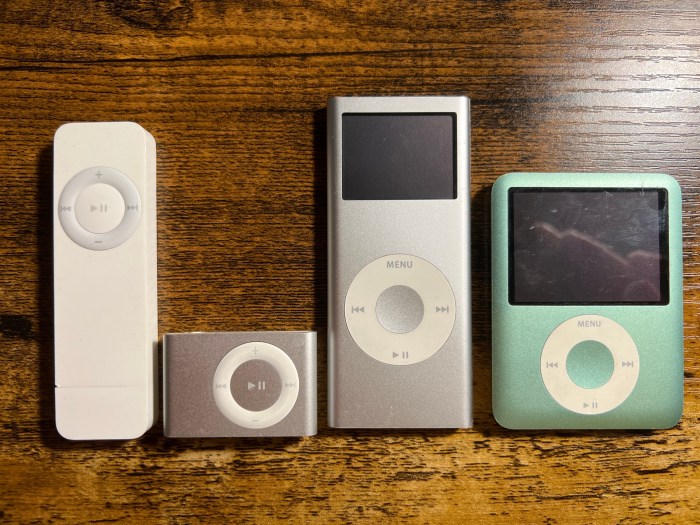
Alright, so that you’re itching to get that basic iPod vibe in your Android system? Nicely, you are in for a enjoyable, barely technical journey! Whereas a real, native iPod app is not attainable (until you are a time traveler with a coding diploma), emulation presents a workaround. It is like constructing a mini-iPod inside your Android telephone. It will not be good, however the nostalgic payoff could be definitely worth the effort.
Let’s dive in and see how we will make this occur.
Setting Up and Configuring an Emulator
Organising an emulator is step one in the direction of reliving these golden iPod days. Consider it as making a digital iPod atmosphere inside your Android telephone. This lets you run software program designed for a special working system, on this case, a simulated iPod.To get began, you may want an emulator utility. There are a number of choices obtainable on the Google Play Retailer, every with its strengths and weaknesses.
Widespread selections embrace:
- EmuBox: A multi-system emulator that helps numerous consoles and units.
- RetroArch: A flexible emulator that helps a variety of cores, permitting you to emulate completely different programs.
- PPSSPP: Designed particularly for PlayStation Moveable (PSP) emulation, however could also be adaptable.
The set up course of is simple:
- Obtain the Emulator: Head to the Google Play Retailer and seek for your chosen emulator. Obtain and set up it in your Android system.
- Emulator Configuration: As soon as put in, open the emulator. You may possible be greeted with a setup wizard or a configuration menu. That is the place you may personalize your expertise. Choices would possibly embrace organising controls, adjusting show settings, and configuring storage areas.
- BIOS Recordsdata (if required): Some emulators, notably these for extra superior programs, would possibly require BIOS information. These are basically the “brains” of the unique system. You may have to receive these information (legally, in fact) and place them within the emulator’s designated folder.
- Storage Setup: Emulators require storage to save lots of recreation ROMs (read-only reminiscence) or, on this case, probably, iPod software program information. Guarantee you’ve gotten enough cupboard space in your system. Think about using an SD card to increase your storage capability.
Bear in mind, the particular steps would possibly fluctuate barely relying on the emulator you select, however the common course of stays the identical. As soon as the emulator is configured, you are prepared to maneuver on to the following step: putting in the iPod software program.
Putting in iPod Software program Throughout the Emulator
Now for the thrilling half – getting your arms on the iPod software program! This step is a bit tough, as you are basically making an attempt to run software program designed for a closed system (iPod) on an Android emulator. Nonetheless, it isn’t inconceivable.The strategy for putting in iPod software program will rely upon the kind of software program you are making an attempt to emulate. Since iPods primarily ran on their very own customized working programs, direct software program set up is unlikely.
You’ll almost definitely be making an attempt to emulate the consumer interface or sure features.Listed below are some potential approaches, protecting in thoughts that success could fluctuate:
- ROMs and Disk Pictures: For some older iPod fashions, you would possibly discover ROM information (basically, the working system) on-line. These could be loaded into emulators that help them. Be cautious concerning the legality of downloading ROMs; all the time guarantee you’ve gotten the rights to make use of them.
- Interface Emulation: Some emulators could help you create a consumer interface just like an iPod. You would possibly be capable of discover or develop customized themes or skins that mimic the iPod’s appear and feel.
- Various Music Gamers: As mentioned beforehand, some music participant apps on Android have iPod-inspired interfaces. These are probably the most simple solution to get the same expertise.
After getting your iPod software program or a appropriate file, you may sometimes observe these steps:
- File Switch: Switch the iPod software program file (ROM, disk picture, or appropriate file) to your Android system. You are able to do this through USB, Bluetooth, or cloud storage.
- Emulator Import: Open the emulator and navigate to the file import or “load ROM” possibility. Choose the file you transferred.
- Configuration (if wanted): Some emulators would possibly require further configuration after importing the file. This might contain organising controls, adjusting show settings, or mapping buttons.
- Testing and Troubleshooting: Begin the iPod software program inside the emulator. If all the things goes effectively, you need to see the acquainted interface or performance. If not, you would possibly have to troubleshoot.
Keep in mind that this course of would possibly contain some trial and error. Be affected person, and do not be afraid to experiment with completely different settings and configurations.
Challenges and Troubleshooting Throughout Emulation
Emulation, whereas a intelligent answer, is not all the time clean crusing. A number of challenges can come up throughout the emulation course of, which could be irritating. Let’s take a look at the widespread points you would possibly encounter and the best way to sort out them.Listed below are the potential hurdles you could possibly face:
- Efficiency Points: Emulating advanced software program could be resource-intensive, probably resulting in slowdowns, lag, or stuttering. That is very true on older or much less highly effective Android units.
- Compatibility Issues: The emulator won’t completely help all iPod software program or options. Some features won’t work appropriately, or the software program would possibly crash.
- Management Points: You may have to adapt the iPod’s controls (bodily buttons, click on wheel) to your Android system’s touchscreen. This may be awkward and fewer intuitive than the unique expertise.
- File Format Points: The emulator won’t help the file format of the iPod software program you are making an attempt to run.
- Authorized Concerns: Downloading and utilizing ROMs or software program with out the right licenses could be unlawful. Guarantee you’ve gotten the rights to make use of any software program you emulate.
Listed below are some ideas for troubleshooting:
- Optimize Emulator Settings: Experiment with the emulator’s settings. Cut back the graphics high quality, disable sound results, or modify different performance-related choices.
- Replace the Emulator: Make sure you’re utilizing the newest model of the emulator, as updates typically embrace efficiency enhancements and bug fixes.
- Analysis Compatibility: Earlier than you begin, analysis the compatibility of the emulator with the particular iPod software program you are making an attempt to run. Some emulators could be higher fitted to sure software program than others.
- Search On-line Assist: Search on-line boards, communities, and FAQs associated to the emulator you are utilizing. Different customers may need encountered the identical issues and located options.
- Strive Totally different Emulators: If one emulator does not work effectively, strive one other. Totally different emulators have completely different strengths and weaknesses.
- Think about {Hardware}: For those who’re experiencing extreme efficiency points, think about using a extra highly effective Android system.
Keep in mind that emulating iPod software program on Android is a hobbyist challenge. Do not be discouraged if it does not work completely. The journey of troubleshooting and experimenting could be simply as rewarding as the ultimate consequence.
Audio File Administration and Compatibility
Let’s dive into the nitty-gritty of getting your tunes onto your Android system and ensuring they sound unbelievable. It is all about ensuring these digital audio information play good along with your chosen iPod-like app. This part covers the file codecs you’ll be able to count on to make use of, the best way to transfer your music over, and the best way to deal with any playback hiccups.
Supported Audio File Codecs
The digital world of music is awash with completely different file codecs, every with its personal strengths and weaknesses. Understanding which codecs your chosen music participant or emulator helps is essential for a clean listening expertise.
- MP3 (MPEG Audio Layer III): That is the workhorse of digital audio. It is broadly appropriate, providing a very good stability between file measurement and audio high quality. Consider it because the universally accepted language of music.
- AAC (Superior Audio Coding): Typically thought-about an enchancment over MP3, AAC presents higher audio high quality at comparable and even smaller file sizes. It is notably in style on Apple units and the iTunes ecosystem.
- FLAC (Free Lossless Audio Codec): For the audiophiles on the market, FLAC is a lossless format. This implies the audio high quality is similar to the unique recording. The information are bigger, however the sound is pristine.
- WAV (Waveform Audio File Format): One other lossless format, WAV is a typical for uncompressed audio. It’s kind of bulkier than FLAC however nonetheless delivers top-notch sound.
- OGG Vorbis: An open-source, lossy audio format that gives a very good stability between high quality and compression. It is a in style alternative for streaming and on-line music companies.
- M4A (MPEG-4 Audio): Typically used for AAC-encoded audio, particularly inside the Apple ecosystem.
Not all apps help each format. For instance, some older emulators would possibly wrestle with extra fashionable codecs. Test your app’s documentation or settings to see the total checklist of supported file varieties. You may normally discover this info within the app’s settings menu or on the developer’s web site.
Strategies for Transferring Music Recordsdata
Now that which codecs to make use of, let’s speak about the best way to get your music onto your Android system.
- USB Connection: It is a basic. Join your Android system to your laptop through USB. Your system ought to seem as a storage system, permitting you to pull and drop music information into a chosen music folder (typically labeled “Music” or one thing comparable).
- Cloud Storage Companies: Companies like Google Drive, Dropbox, and OneDrive are glorious for storing and syncing your music. Add your information out of your laptop after which obtain them onto your Android system utilizing the corresponding app.
- Bluetooth Switch: In case you have one other system with Bluetooth, you’ll be able to ship music information on to your Android system. Nonetheless, this technique could be slower for giant libraries.
- SD Card: Many Android units have a microSD card slot. You may copy your music information to an SD card after which insert the cardboard into your system. It is a handy solution to increase your storage capability.
- Music Supervisor Apps: Some apps, just like the Google Play Music app (although Google Play Music is being phased out, it’s used for illustration), help you add your music library to the cloud after which stream or obtain it to your system. This offers a handy solution to handle your music assortment.
Bear in mind to arrange your music information into folders (e.g., Artist/Album) for simpler navigation inside your music participant app. A well-organized library makes discovering your favourite tunes a breeze.
Troubleshooting Audio Playback Points
Even with the proper file codecs and switch strategies, issues can go fallacious. Here is the best way to troubleshoot widespread audio playback issues.
- File Format Incompatibility: If a track will not play, the very first thing to examine is the file format. Be sure that the music participant app helps the format of the file. If not, you would possibly have to convert the file to a supported format utilizing a free on-line converter or a desktop audio modifying program.
- Corrupted Recordsdata: Typically, a music file can grow to be corrupted throughout switch or storage. Strive re-downloading or re-transferring the file. If that does not work, the unique file could be broken.
- Quantity Points: If the amount is just too low or too excessive, examine the amount controls in your system and inside the music participant app. Additionally, make sure that any equalizer settings are correctly configured.
- Sound High quality Issues: If the audio high quality sounds poor, examine the file’s bitrate. Increased bitrates typically imply higher high quality. Additionally, make sure that your system’s audio settings are optimized for the absolute best sound. You may typically discover these settings in your system’s “Sound” settings menu.
- Playback Stuttering or Skipping: This may be attributable to a number of elements, together with a gradual processor, inadequate cupboard space, or a fragmented SD card. Strive closing different apps, liberating up cupboard space, or defragmenting your SD card (if relevant).
- App-Particular Bugs: Typically, the problem could be with the music participant app itself. Strive restarting the app, clearing its cache, and even reinstalling it. Test for app updates, as these typically embrace bug fixes.
For those who’re nonetheless experiencing issues, seek the advice of the app’s assist documentation or contact the developer for help. They might have particular troubleshooting ideas for his or her app.
Customization and Themes for an iPod-like Interface
Ah, the enjoyment of personalization! One of many coolest features of emulating the iPod expertise on Android is the flexibility to tailor your music participant’s look. Think about remodeling your Android system’s music app right into a digital time machine, immediately transporting you again to the long-lasting aesthetic of the iPod. It is like having a classic automobile, however to your ears. The facility of customization permits you to make your music listening expertise really your personal.
Let’s dive into how one can obtain this pleasant transformation.
Design Prospects for Customization
The fantastic thing about Android lies in its open nature. Builders perceive the attract of the iPod’s clear design and have created quite a few methods to imitate it. You may modify nearly all the things – from the colour schemes and button types to the font selections and album artwork shows. The aim is easy: to create a visible interface that evokes the spirit of the iPod, providing a well-recognized and pleasing expertise for anybody who fondly remembers the clicking wheel period.
Examples of Themes and Skins
The next desk offers examples of music participant functions with iPod-like themes. Every entry particulars the app identify, theme options, and an outline of the visible aesthetic.
| App Identify | Theme Options | Screenshot Description |
|---|---|---|
| Retro Music Participant |
|
The screenshot depicts the Retro Music Participant interface. The background is a gradient of darkish grey, mimicking the basic iPod look. The album artwork is prominently displayed within the heart with a rounded body. Under the album artwork, track info akin to title and artist identify is offered. On the backside, a simulated click on wheel permits for navigation, mirroring the unique iPod controls. The general really feel is paying homage to the iPod Basic. |
| BlackPlayer Music Participant |
|
The screenshot showcases BlackPlayer’s theme customization. The chosen theme is darkish, with a black background. The album artwork is displayed in a sq. format with a delicate border. The management buttons are minimalist and white, offering a clear distinction towards the darkish background. The navigation bar on the prime permits entry to completely different music classes. The general design emphasizes simplicity and user-friendliness. |
| Omnia Music Participant |
|
The screenshot exhibits Omnia Music Participant with a customized theme. The theme adopts a modern, fashionable look with a darkish grey background. Album artwork is offered in a big, clear format, with track particulars displayed beneath it. The management buttons are fashionable and trendy, designed to be simply accessible. The general aesthetic is clear and intuitive, providing a stability between performance and visible enchantment. |
Steps for Making use of and Configuring Customized Themes
Making use of customized themes inside a music participant app is normally an easy course of, although the particular steps fluctuate relying on the applying. Here is a common information:
- Obtain and Set up the App: First, obtain and set up your chosen music participant app from the Google Play Retailer.
- Entry the Settings Menu: Open the app and navigate to the settings menu. That is typically discovered by tapping the three dots within the nook or by way of a devoted “Settings” icon.
- Find the Theme or Look Part: Throughout the settings, search for choices associated to “Theme,” “Look,” “UI,” or “Customization.”
- Select a Theme: Browse the obtainable themes or skins. Some apps supply pre-designed themes, whereas others help you create your personal by customizing particular person parts.
- Apply the Theme: Choose the theme you want and faucet “Apply” or the same button. The app will then replace its interface.
- Customise Additional (Elective): Many apps enable additional customization of the chosen theme. You would possibly be capable of change colours, fonts, button types, and different parts to fine-tune the look.
- Restart the App (Typically): In some instances, chances are you’ll have to restart the app for the modifications to take impact totally.
Keep in mind that every app has its personal distinctive interface and settings format. For those who get caught, seek the advice of the app’s assist part or search on-line for tutorials particular to that app. The journey to a wonderfully personalized iPod-like interface is a rewarding one!
Efficiency and Useful resource Consumption: Ipod App On Android
Alright, let’s dive into the nitty-gritty of how these iPod-esque apps and emulators deal with your Android system. We’re speaking about battery life, processing energy, and cupboard space – the stuff that basically issues if you’re jamming to your tunes.
Affect on Battery Life
The impression in your battery life is a key consideration. Streaming music, whatever the app, is a major drain. Emulators, being extra resource-intensive than native apps, can exacerbate this.
- Streaming vs. Native Playback: Streaming companies like Spotify or Apple Music, whereas handy, repeatedly obtain information, protecting your Wi-Fi or mobile radio energetic. This eats up battery. Native playback, the place you have downloaded your music, is mostly kinder to your battery, particularly in case you’re utilizing a music participant optimized for effectivity.
- Emulator Overhead: Emulating the iPod interface and even operating an older iPod OS in your Android system provides additional layers of processing. This will result in elevated battery drain in comparison with a local music participant app. Consider it like this: the emulator is doing the work of two or extra apps directly.
- Display Brightness and Utilization: The longer you utilize the app and the brighter your display, the quicker your battery will deplete. Think about decreasing your display brightness or utilizing a darkish theme inside the app to preserve energy.
- Background Processes: Some apps could proceed operating within the background, even if you’re not actively utilizing them, consuming battery. Guarantee that you’ve restricted the background processes of those apps by way of the system settings.
Useful resource Consumption: CPU, Reminiscence, and Storage
Understanding how these apps make the most of your system’s sources is essential. It immediately impacts the smoothness of your music expertise and the general efficiency of your Android system.
- CPU Utilization: Music participant apps and emulators require processing energy. Streaming music, decoding audio information, and operating the consumer interface all contribute to CPU utilization. Emulators, with their further processing calls for, are inclined to devour extra CPU sources. For instance, a music participant would possibly use 10-15% CPU throughout playback, whereas an emulator would possibly spike to 25-30% and even greater.
- Reminiscence Utilization: Reminiscence (RAM) is used to retailer the app’s code, the audio information being performed, and the information wanted to run the consumer interface. Extra advanced apps and emulators would require extra RAM. Excessive reminiscence utilization can decelerate your system, particularly you probably have a number of apps operating concurrently. A easy music participant would possibly use 50-100MB of RAM, whereas a extra feature-rich app or an emulator may simply devour 200MB or extra.
- Storage Necessities: The cupboard space taken up by the app itself is mostly modest. The most important storage shopper is your music library. The extra music you’ve gotten, the extra cupboard space you may want. Think about using a microSD card for storing your music library to keep away from filling up your system’s inside storage. A single high-quality audio file (e.g., a FLAC file) can simply take up 50MB or extra.
Figuring out and Addressing Efficiency Points
Efficiency points can manifest in numerous methods, from stuttering audio to gradual app responsiveness. Listed below are some tricks to optimize your expertise.
- Shut Pointless Apps: Earlier than utilizing your music app or emulator, shut every other apps you are not utilizing. This frees up RAM and CPU sources.
- Optimize Audio File Codecs: Think about using lower-bitrate audio information (e.g., MP3s at 192kbps) if storage and efficiency are issues. Excessive-quality codecs like FLAC sound nice, however they require extra processing energy and storage.
- Handle App Permissions: Overview the permissions requested by the music app or emulator. Restrict pointless permissions that might result in background exercise and useful resource drain.
- Replace Your Gadget and Apps: Guarantee your Android working system and all of your apps are up-to-date. Updates typically embrace efficiency enhancements and bug fixes.
- Use a Lighter Theme: If the app presents themes, strive utilizing a lighter or less complicated theme. Extra advanced themes could require extra processing energy.
- Clear Cache and Knowledge: Frequently clear the cache and information of your music app. This will help forestall efficiency points attributable to accrued non permanent information. Go to Settings > Apps > [Your Music App] > Storage > Clear Cache/Clear Knowledge.
- Think about a Devoted Music Participant App: In case you are experiencing efficiency issues with an emulator, think about using a devoted music participant app designed for Android. These apps are sometimes extra optimized for efficiency and useful resource consumption.
- Monitor Useful resource Utilization: Use Android’s built-in instruments or a third-party app to observe CPU utilization, reminiscence utilization, and battery consumption. This will help you establish which apps are the largest useful resource hogs.
Authorized and Moral Concerns

Let’s face it, getting your groove on with an iPod-esque app on Android is superior. However earlier than you dive headfirst right into a world of digital tunes, let’s chat concerning the not-so-fun stuff: the legislation and doing the proper factor. It is like having a killer playlist – you wish to take pleasure in it with out moving into hassle, proper? This part is all about staying on the proper facet of the tracks in relation to music and expertise.
Authorized Implications of Utilizing Emulators or Modified Functions
The digital world is stuffed with superb instruments, but it surely’s essential to know the boundaries. Utilizing emulators or modified functions to entry copyrighted content material can result in some severe authorized complications. This implies it is essential to concentrate on the legal guidelines surrounding mental property and the potential penalties of violating them.
Right here’s the lowdown:
- Copyright Infringement: Downloading or streaming copyrighted music with out permission is a direct violation of copyright legislation. This is applicable even in case you’re utilizing an emulator or a modified app. Consider it like this: you would not stroll right into a retailer and simply take a CD, would you? The identical precept applies on-line.
- Distribution of Copyrighted Materials: For those who’re utilizing an app or emulator to share copyrighted music with others, you could possibly face much more extreme authorized repercussions. This contains penalties for distributing copyrighted works.
- Phrases of Service Violations: Many apps and companies have phrases of service that prohibit the usage of emulators or modified functions to entry their content material. Violating these phrases may end up in your account being suspended or terminated.
- Penalties: The implications of copyright infringement can vary from cease-and-desist letters and monetary penalties to lawsuits. In some instances, notably for large-scale piracy, legal expenses could even be filed.
Respecting Mental Property Rights and Adhering to Phrases of Service
Mental property rights are the cornerstone of the artistic industries. Respecting these rights is not only a authorized obligation; it is a matter of moral conduct. Equally, adhering to the phrases of service of the apps and companies you utilize ensures a good and respectful digital atmosphere for everybody.
Think about these factors:
- Supporting Creators: While you buy music legally, you are immediately supporting the artists, songwriters, and all of the individuals who contribute to the music you like. This helps them proceed to create and share their artwork.
- Truthful Use vs. Infringement: Whereas some makes use of of copyrighted materials could also be thought-about truthful use (e.g., for criticism, commentary, or training), most downloads and streams from unauthorized sources don’t fall underneath this class.
- Understanding Phrases of Service: Learn and perceive the phrases of service for any app or service you utilize. These phrases Artikel what you’ll be able to and can’t do with their content material. Ignoring them can result in account suspension or authorized motion.
- Moral Concerns: Take into consideration the impression of your actions. If everybody downloaded music illegally, the music business would endure, and artists would wrestle to make a dwelling.
Acquiring Music Legally and Ethically
The excellent news is that there are tons of the way to get your arms on superb music legally and ethically. Supporting artists and having fun with music responsibly is totally attainable, and even pleasurable.
Here is how you are able to do it:
- Music Streaming Companies: Platforms like Spotify, Apple Music, and YouTube Music supply huge music libraries for a month-to-month subscription price. You may take heed to thousands and thousands of songs with out worrying about copyright points.
- Digital Music Shops: Companies like iTunes Retailer, Amazon Music, and Bandcamp help you buy and obtain music. This provides you possession of the music information, which you’ll be able to then add to your Android system.
- Buying CDs and Vinyl: Whereas old-school, shopping for bodily albums continues to be an effective way to help artists. You may then rip the music from the CD or vinyl to your laptop and switch it to your Android system.
- Supporting Impartial Artists: Many impartial artists promote their music immediately by way of their web sites or platforms like Bandcamp. It is a nice solution to help rising expertise.
- Free, Authorized Music Sources: There are additionally web sites and companies that supply free, authorized music, akin to free music archives or artistic commons licenses. These are nice choices for locating new music with out breaking the financial institution.
Future Developments and Developments
The way forward for music playback on Android, and certainly on all cellular units, is a continually evolving panorama. Anticipating these shifts includes contemplating technological developments, consumer preferences, and the ever-changing nature of the digital music ecosystem. We’re on the cusp of experiencing dramatic transformations in how we entry, handle, and luxuriate in our music.
Developments in Music Participant Functions and Emulators
The evolution of music participant functions and emulators on Android will possible be marked by better integration with rising applied sciences and a heightened concentrate on consumer expertise. Anticipate vital enhancements throughout a number of key areas.
- AI-Powered Music Discovery and Curation: Synthetic intelligence will play a extra distinguished position. Think about music gamers that be taught your tastes with unimaginable precision, curating playlists, suggesting new artists, and even composing customized soundtracks to your each day actions. This isn’t only a futuristic fantasy; it is already taking place in rudimentary kinds with companies like Spotify and Apple Music, however the sophistication will solely enhance.
Think about the potential for AI to establish emotional cues in music and tailor playlists to match your temper in real-time.
- Seamless Cross-Platform Integration: Anticipate enhanced synchronization and interoperability between music gamers on completely different units and platforms. This contains seamless handoff between your telephone, pill, sensible audio system, and even your automobile’s leisure system. Cloud-based music libraries will grow to be much more central, providing prompt entry to your complete assortment wherever you go.
- Immersive Audio Experiences: The rise of spatial audio applied sciences like Dolby Atmos and Sony 360 Actuality Audio will proceed. Music participant functions might want to totally embrace these codecs, offering help for high-fidelity audio and customized listening experiences that adapt to your atmosphere and listening preferences. This would possibly contain options that use the system’s sensors to optimize audio output for headphones or audio system.
- Haptic Suggestions and Interactive Visualizations: Haptic suggestions, permitting customers to really feel the music, may grow to be a extra integral a part of the expertise. Think about feeling the rhythm of the music by way of delicate vibrations or visible representations of the audio waves dancing throughout the display in real-time, providing a extra participating and sensory-rich expertise.
- Enhanced Consumer Interface and Customization: The development in the direction of extremely customizable interfaces will proceed. Customers could have even better management over the feel and appear of their music gamers, with choices to personalize all the things from the colour scheme and animations to the format of controls and playlists. The main focus can be on creating a very customized listening atmosphere.
Technological Enhancements for the iPod-like Expertise
A number of technological developments maintain the potential to dramatically improve the expertise of utilizing an iPod-like utility on Android. These developments promise to deliver us nearer to the simplicity and class of the unique iPod, whereas leveraging the facility and suppleness of the Android platform.
- Improved Emulation Accuracy: Emulators will grow to be extra refined in replicating the conduct and look of basic iPods. This contains precisely rendering the clicking wheel, the menu navigation, and the long-lasting interface. The aim is to offer a very genuine and nostalgic expertise.
- Optimized Efficiency and Battery Life: Builders will concentrate on optimizing emulators to reduce useful resource consumption and maximize battery life. That is essential for making certain a clean and pleasurable consumer expertise on cellular units.
- Integration with Trendy Audio Applied sciences: Emulators might want to seamlessly combine with fashionable audio applied sciences like Bluetooth 5.0, high-resolution audio codecs (e.g., FLAC, ALAC), and spatial audio codecs. This ensures that customers can benefit from the highest high quality audio playback.
- Superior Gesture Controls: Gesture controls will possible grow to be extra prevalent, permitting customers to navigate their music libraries and management playback with intuitive swipes and faucets. This might embrace mimicking the texture of the iPod’s click on wheel utilizing contact gestures.
- Offline Playback Optimization: Environment friendly dealing with of offline music libraries is essential. Developments will concentrate on quicker obtain speeds, sensible caching of ceaselessly performed songs, and optimized storage administration.
The Way forward for Music Playback on Cell Gadgets
The way forward for music playback on cellular units can be formed by a confluence of things, together with technological innovation, shifting shopper preferences, and the evolving music business panorama.
- The Rise of Streaming Companies: Streaming companies will proceed to dominate the music business, however the best way we work together with them will evolve. Anticipate extra customized suggestions, collaborative playlists, and integration with social media platforms. The main focus can be on making a extra social and interactive listening expertise.
- Excessive-Constancy Audio as Commonplace: The demand for high-quality audio will develop. Extra customers will embrace lossless audio codecs and put money into premium headphones and audio system. Cell units might want to help these codecs natively, making certain the absolute best listening expertise.
- Integration with Good Gadgets: Music playback will grow to be more and more built-in with sensible units, akin to sensible audio system, smartwatches, and sensible residence programs. This can allow seamless listening experiences throughout a number of units and environments.
- Give attention to Accessibility and Inclusivity: Builders will prioritize accessibility options, akin to customizable interfaces for customers with visible or listening to impairments. This can make sure that music playback is pleasurable for everybody.
- The Metaverse and Immersive Music Experiences: The rise of the metaverse may create new alternatives for immersive music experiences. Think about attending digital concert events, exploring interactive music worlds, and interacting with music in totally new methods.
